Last updated November 21, 2026
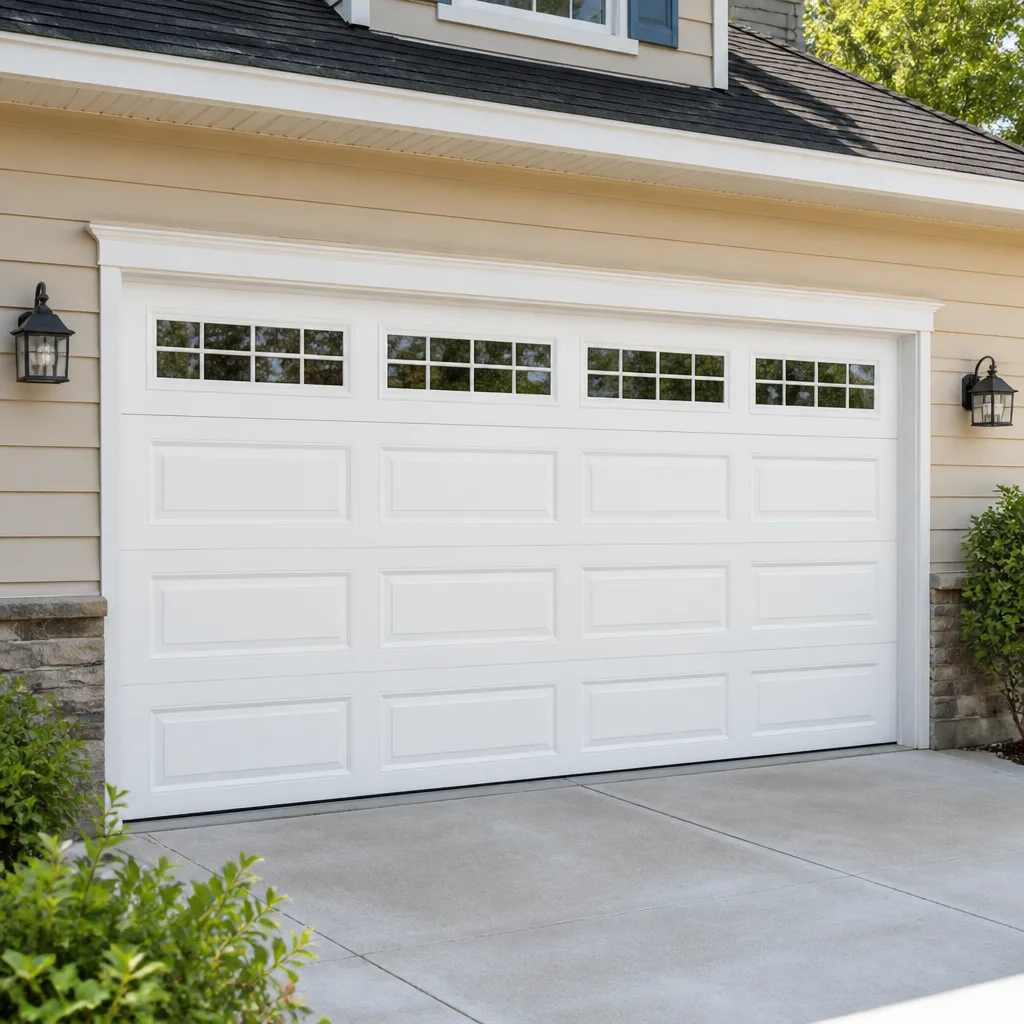 Raised-panel steel
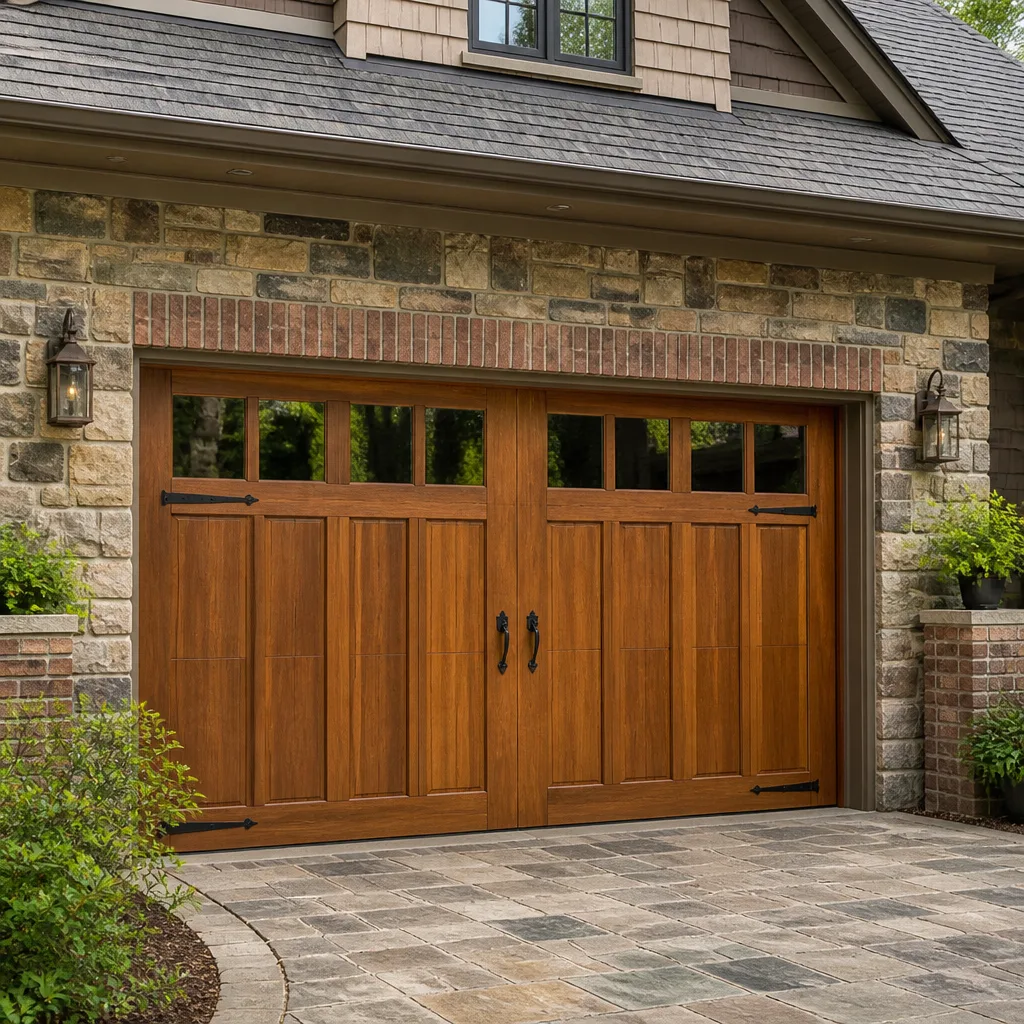 Carriage house
 Modern flush
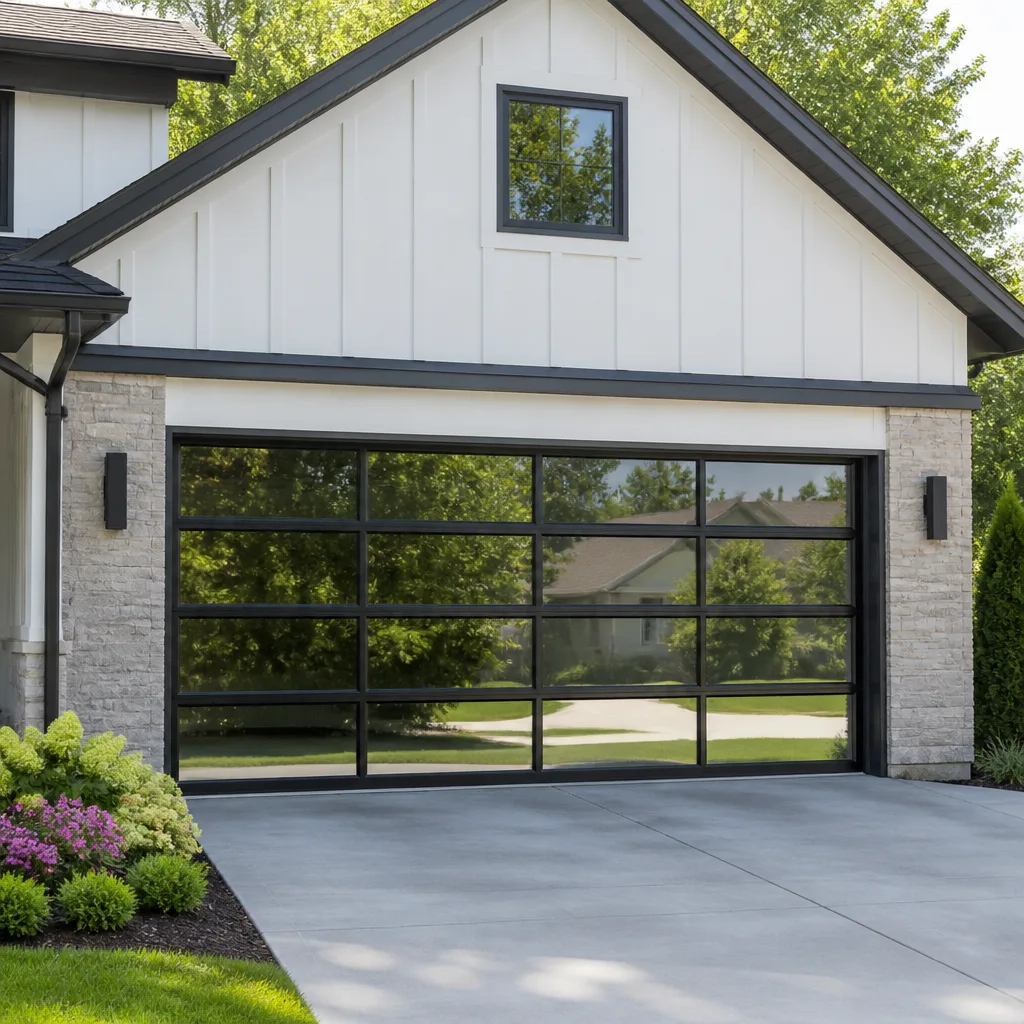 Full-view glass
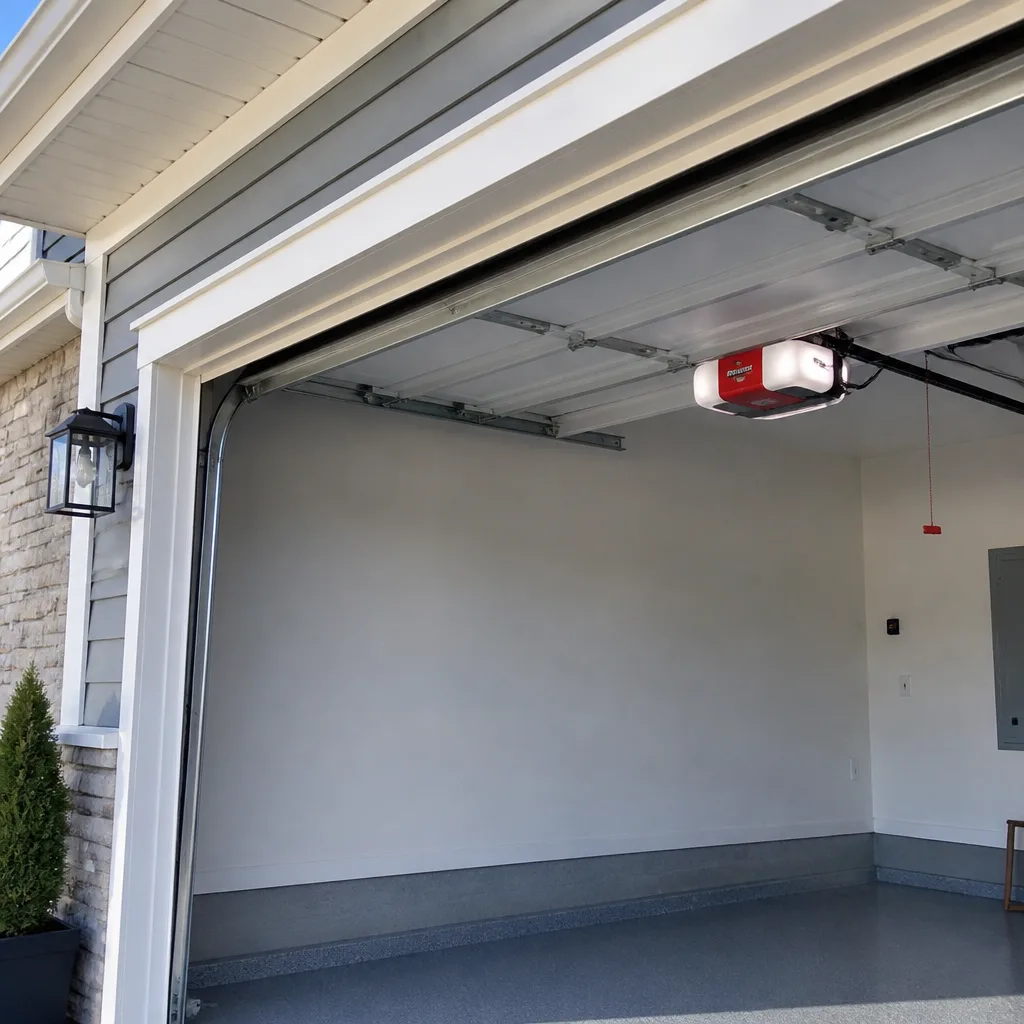 LiftMaster openers
 Chamberlain openers
Full 25-point door and opener safety check with every visit - springs, cables, rollers, tracks, and your LiftMaster or Chamberlain opener included
You get a price before we start. It does not change when the pro arrives.
Get your free estimateGarage Door Warning Signs: A Maple Grove Homeowner’s Reference Guide
A grinding noise and a slow response time feel like equally vague problems when you’re standing in your driveway listening to them. But they sit at completely different points on the danger scale. One means you should book a maintenance visit in the next week or two. The other can mean a torsion spring is close to snapping, and the next press of the button could send it through your garage ceiling. Most warning sign lists treat every symptom the same way, which leaves Maple Grove homeowners with no way to decide what to do next. This guide changes that. We sort every common sign into three urgency tiers, explain the winter-versus-summer differences that matter in Minnesota, and help you tell the difference between a failing opener and a failing door.
Quick Answer
Garage door warning signs split into three urgency levels. Monitoring signs (squealing, minor vibration, a slow-close) mean schedule a tune-up within a few weeks. Schedule-this-week signs (an unbalanced door, fraying cables, opener strain) mean book a repair visit soon. Stop-using-the-door signs (a snapped spring, a crooked door, a door that won’t fully open or close) mean keep the door shut and call for a professional before anything else moves. Recognizing which tier a symptom falls into saves you the guesswork and gets the right help faster.
Styles & brands we work with
- Raised-panel steel
- Carriage house
- Modern flush
- Full-view glass
- LiftMaster openers
- Chamberlain openers
Table of Contents
- The Three-Tier Urgency Framework
- Spring Wear Signs in Minnesota’s Temperature Swing
- How to Tell If It’s the Opener or the Door
- Signs That Are Actually Normal (Don’t Call Yet)
- What Warning Signs Look Like in Winter vs. Summer
- The Visual and Audio Checklist
- When to Call a Professional
- Frequently Asked Questions
The Three-Tier Urgency Framework
Every garage door symptom you notice falls into one of three tiers. This framework is what we use when a Maple Grove homeowner calls and describes a problem over the phone, and it’s how you should decide what to do next. The tiers aren’t about cost. They’re about whether the door is safe to operate, and whether delaying will make the problem worse.
Tier 1: Monitor. These are early signs of wear that don’t threaten safety yet. A faint squeak, a slight wobble at the top of travel, a door that closes a fraction slower than it used to. Log it, keep an eye on it, and plan a maintenance visit in the coming weeks. Tier 1 is the “watch it” level.
Tier 2: Schedule this week. These signals mean something is wearing out faster than normal or already partly compromised. An unbalanced door that lifts unevenly. Cables starting to fray. An opener that strains or reverses unexpectedly. None of these demand an emergency call, but the door isn’t reliable, and the repair won’t fix itself. Book a visit within the week.
Tier 3: Stop using the door. These are the safety-critical signs. A snapped torsion spring. A door hanging crooked in the tracks. A cable that has come loose or broken. A door that reverses on the way down for no apparent reason. When you hit Tier 3, disconnect the opener and leave the door closed until a trained technician inspects it. Never try to lift or repair a door in this state yourself.
Getting the tier right matters more than the specific diagnosis. Most Maple Grove homeowners who call us after ignoring a Tier 2 sign for weeks find that a smaller repair became a bigger one during the delay. Knowing which tier you’re in lets you act at the right speed without panicking over a squeak or ignoring a failing spring.
Spring Wear Signs in Minnesota’s Temperature Swing
Torsion springs fail faster in climates with big temperature swings, and Maple Grove sees that range clearly. A spring that sits through a summer of warm afternoons and a winter of well-below-freezing mornings is undergoing constant expansion and contraction. That cycle works the metal every time the door moves. Springs don’t fail from a single event. They wear out across thousands of cycles, and the wear accelerates when temperatures bounce hard.
Here’s what spring wear actually looks like. These are the signs that tell you a torsion spring is near the end of its life, and they move the call from Tier 1 toward Tier 2 or 3 the longer they go ignored:
- A visible gap in the coil. On a torsion spring, look for a clean break or a gap in the windings. A small gap early on can widen into a full snap. Any visible gap is a stop-using sign.
- Loud metallic bang from the garage. When a torsion spring snaps, it produces a sharp report that many homeowners hear from inside the house. If you heard it and the door suddenly feels weightless when lifted, the spring has failed.
- A door that suddenly lifts far easier than before. Counterintuitive, but a door that goes up with almost no resistance means the spring has released its tension. That’s a Tier 3 sign, not a good one.
- A door that won’t stay up on its own. Lift the door halfway by hand and let go. If it drops, the spring isn’t carrying the load it should.
- Rust streaks or a dull, dry finish on the coil. Surface corrosion and dryness on the spring wire indicate age and lack of lubrication. It’s a Tier 1 to Tier 2 sign that warrants a close look.
- An opener that struggles to lift the door. The opener is picking up the slack the spring should carry. That’s early spring failure showing up as opener strain.
Torsion springs are the most dangerous part of any residential door to work on, and we treat them that way. The tension on a wound spring is enough to cause serious injury, so this isn’t a component to inspect closely by hand or try to adjust yourself. If you reach the point where you suspect a spring failure, stop using the door and call a professional. When you’re ready for a proper inspection, our garage door spring repair team handles torsion and extension springs correctly, and we can work with the brands your door was built around.
How to Tell If It’s the Opener or the Door
Most homeowners never learn this distinction, and it leads to a lot of unnecessary diagnoses. The opener and the door are two separate systems that work together. If the door is the problem, a new opener won’t fix it. If the opener is the problem, the door itself is perfectly fine. Before you assume the motor is failing, run this quick check.
- Disconnect the opener. Pull the emergency release cord (the red handle) to detach the door from the opener carriage.
- Lift the door halfway by hand. A healthy door moves with steady, even resistance and stays put when you let go. A door that’s heavy, sticks, or drifts down on its own has a door problem, not an opener problem.
- Look and listen at the tracks. Grinding, dragging or vibration while lifting by hand points to rollers, hinges or track alignment.
- Reconnect and watch the opener. If the door moves smoothly by hand but the opener strains, reverses randomly or the motor sounds labored, the opener is likely the culprit.
Common door-side problems include worn rollers, a bent track, dried hinges or a failing spring. Common opener-side problems include a stripping drive gear, a failing logic board, worn belt or chain, or a safety sensor that’s out of alignment. On a LiftMaster or Chamberlain unit, the wall control often shows an error code pattern, which helps narrow the diagnosis. On a Genie or Craftsman setup, the symptom tends to show up as erratic travel or a motor that hums without moving the door.
That’s where brand experience matters. Our technicians are factory-familiar with the major residential openers, which means we diagnose the motor faster instead of guessing at parts. If you’ve traced the problem to the opener, our garage door opener repair work is a good next step. If the door itself is dragging, that points toward a garage door repair visit instead. Either way, running the disconnect test first tells you which direction to call.
Signs That Are Actually Normal (Don’t Call Yet)
Not every odd sound or behavior is a warning sign. Some are how a garage door is supposed to work, and recognizing them prevents a service call you don’t need. This is the flip side of the urgency framework: knowing when not to worry. We’d rather you hold off on a Tier 0 non-issue than pay for a visit that turns up nothing.
- A single loud click as the door starts. Relays in the opener and the safety reverse mechanism make mechanical noise at the start and end of travel. A clean click isn’t a failure sign.
- A slight shudder during the first foot of travel. Many doors have a small vibration as the opener takes up slack. If it’s consistent and stops quickly, it’s normal. If it grows into a rattle through the full cycle, that’s a Tier 1 sign worth monitoring.
- A door that hesitates when temperatures drop. Cold-thickened lubricant and stiff weatherstripping slow the door slightly on a frigid Maple Grove morning. If it returns to normal once the day warms up, that’s seasonal, not a breakdown.
- The safety sensors reversing the door when something crosses the beam. That’s exactly what they’re designed to do. It’s a working system, not a fault.
- A faint door-closing thud. The bottom seal compressing against the floor makes a muffled sound. A dull thud is fine. A hard slam or a door that bounces back up is not.
- Occasional light blinking from the opener during operation. A blinking LED during travel on many openers is a status signal, not always an error. Check your model’s manual before assuming a fault.
The line between Tier 0 and Tier 1 comes down to consistency and change. Something that’s always been there and hasn’t changed is likely normal. Something that started recently, or is getting worse, is a warning sign. Write down what you notice and when it started. That record helps a technician diagnose the problem faster when you do call, and it tells you whether the symptom is drifting into a higher tier.
What Warning Signs Look Like in Winter vs. Summer
The same symptom can have a completely different cause depending on the season in Maple Grove. That’s because temperature affects metal, lubricant, rubber seals and the electronics inside your opener. Knowing which season you’re in helps you read the sign correctly and avoid chasing the wrong problem.
Winter signs
- A stiff, slow door. Cold thickens lubricant on rollers and hinges, and the springs lose some responsiveness. Slowness in deep winter is often seasonal. Persistent slowness after warm-up points to worn rollers.
- A frozen bottom seal. The rubber seal can stick to the concrete floor, causing the door to strain or reverse on the way up. Most of the time the door breaks free on the next cycle, but repeated sticking strains the opener.
- Spring failure. Extreme cold is when springs fail most often. Metal that’s under tension and cold is less forgiving, and a spring nearing the end of its life can snap on the first cold-morning cycle.
- Sensor alignment drift. Snow, ice and debris can shift a sensor bracket, causing the door to reverse unexpectedly. A reversing door in winter is often a sensor issue, not a spring issue.
Summer signs
- An opener that overheats or cuts out. Warm garages and long cycles can cause an opener motor to trip its thermal protection. If the door stops responding on a hot afternoon but works again after cooling, that’s a heat signature.
- Expanded tracks and slightly heavier door travel. Heat expands metal. A door that drags in summer can feel loose in winter for the same reason.
- Lubricant drying out. Warmer conditions can leave rollers and hinges running dry. A squeal that shows up in summer and disappears in fall usually points to lubrication.
- Pest-related track damage. Insects and rodents move into garages in warm months. Debris in the tracks or chewed sensor wires produce symptoms that look like equipment failure.
Reading seasonal signals correctly cuts down on unnecessary repairs. Acknowledging that a stiff door in January is different from a stiff door in July means you don’t replace hardware that isn’t failing. It also means you recognize when a symptom is genuinely out of season and worth a closer look.
The Visual and Audio Checklist
You don’t need tools to catch most warning signs. A two-minute walk-around with your eyes and ears catches the bulk of them. Run through this checklist once a season, or anytime something feels different. Both the visual and audio signs below are things any Maple Grove homeowner can spot without touching a dangerous component.
What to look at
- The springs above the door. Look for a visible gap, a broken coil, rust streaks or a dry finish. Any gap is a stop-using sign.
- The cables at the sides. Look for fraying, kinks or slack. A loose or broken cable is a Tier 3 sign.
- The tracks. They should be parallel on both sides. A bend, a dent, or a door that’s crooked in the track is a stop-using issue.
- The rollers and hinges. Worn rollers will look flat or cracked. Loose hinges may show a gap or wobble.
- The bottom seal. Look for cracks, missing chunks or a seal that’s no longer touching the floor.
- The opener light and sensors. Check that the safety sensors face each other cleanly. Debris or misalignment shows up as a reversed door.
What to listen for
- A grinding or scraping sound. Usually worn rollers, dry hinges or metal-to-metal contact. Tier 1 to Tier 2 depending on how consistent it is.
- A popping or snapping sound. Points toward a loose panel, a hinge or a spring issue. If it happens once and the door feels heavy afterward, treat it as a spring failure.
- A loud bang from the garage. For a torsion spring, this is the failure sound. Stop using the door.
- An opener that hums without moving the door. Likely a stripped drive gear or a broken carriage. The motor runs but the door stays put.
- Rattling through the full travel. Loose hardware or worn rollers. Tier 1, worth a maintenance visit.
Record what you find. A quick photo and a note about when the symptom started gives a technician a head start, and it helps you track whether a Tier 1 sign is climbing toward Tier 2. If something on this list moves into stop-using territory, keep the door closed and call rather than testing it further.
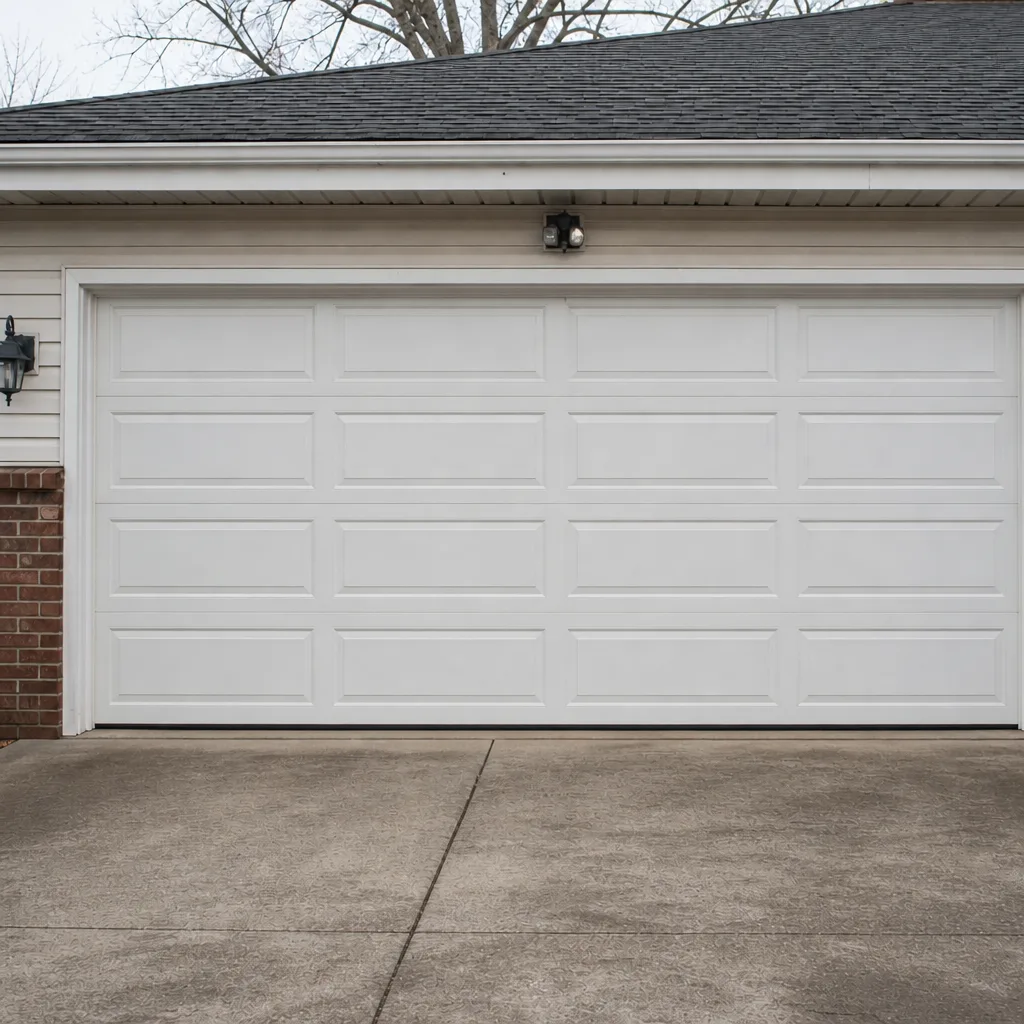
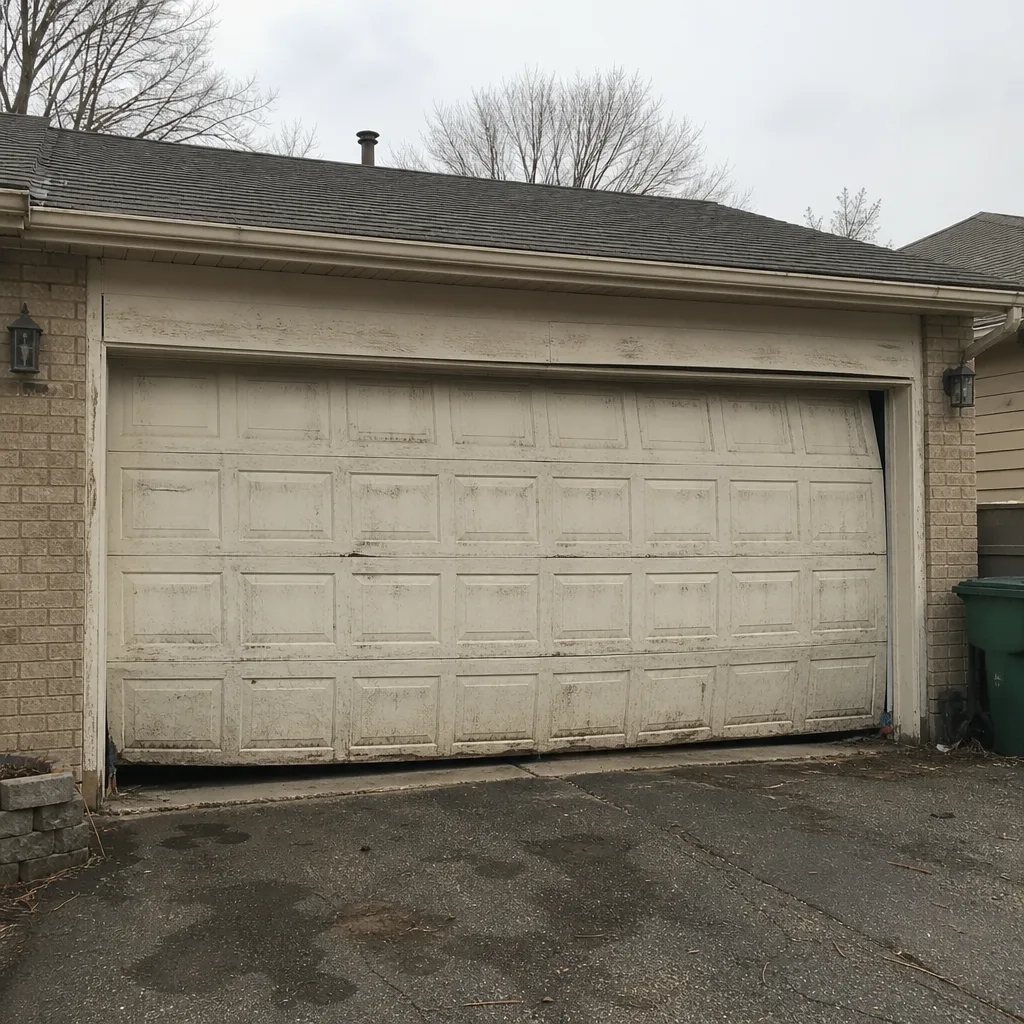
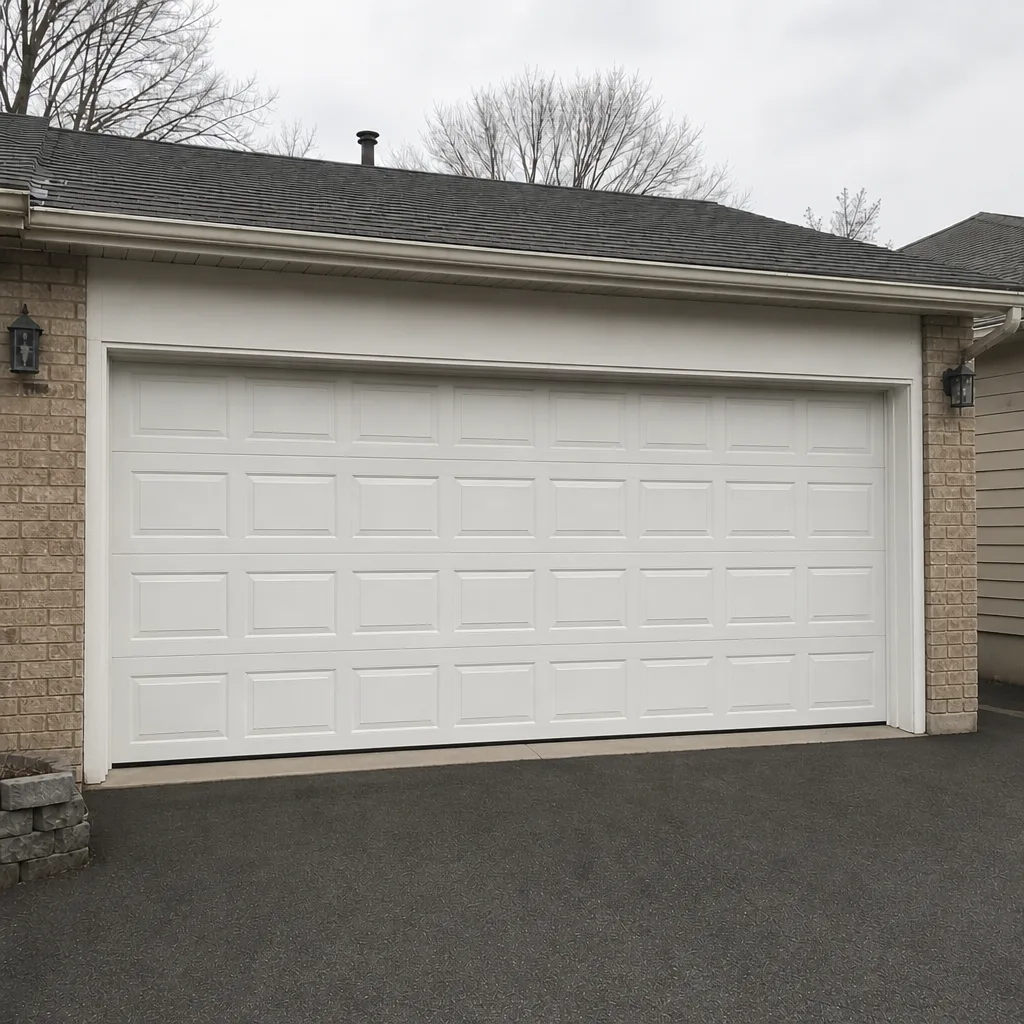
See the difference
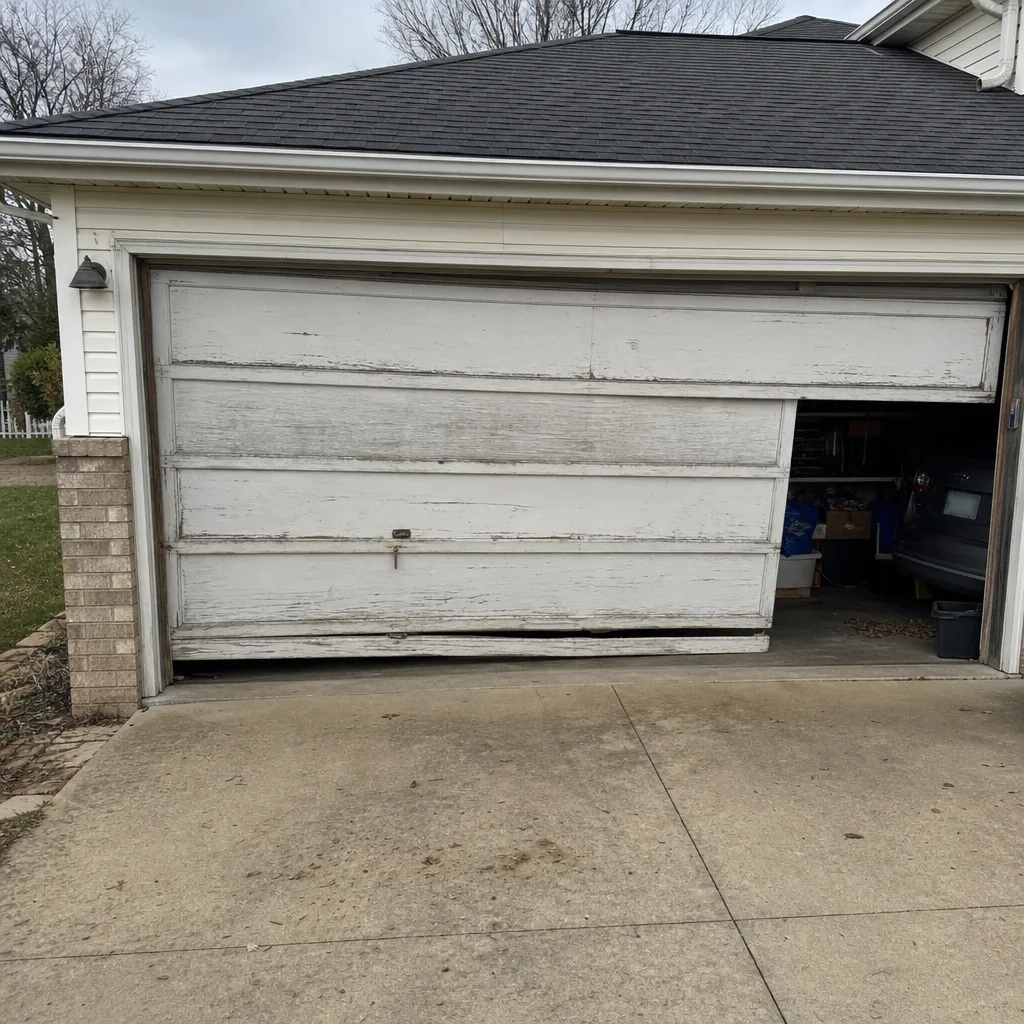 Before
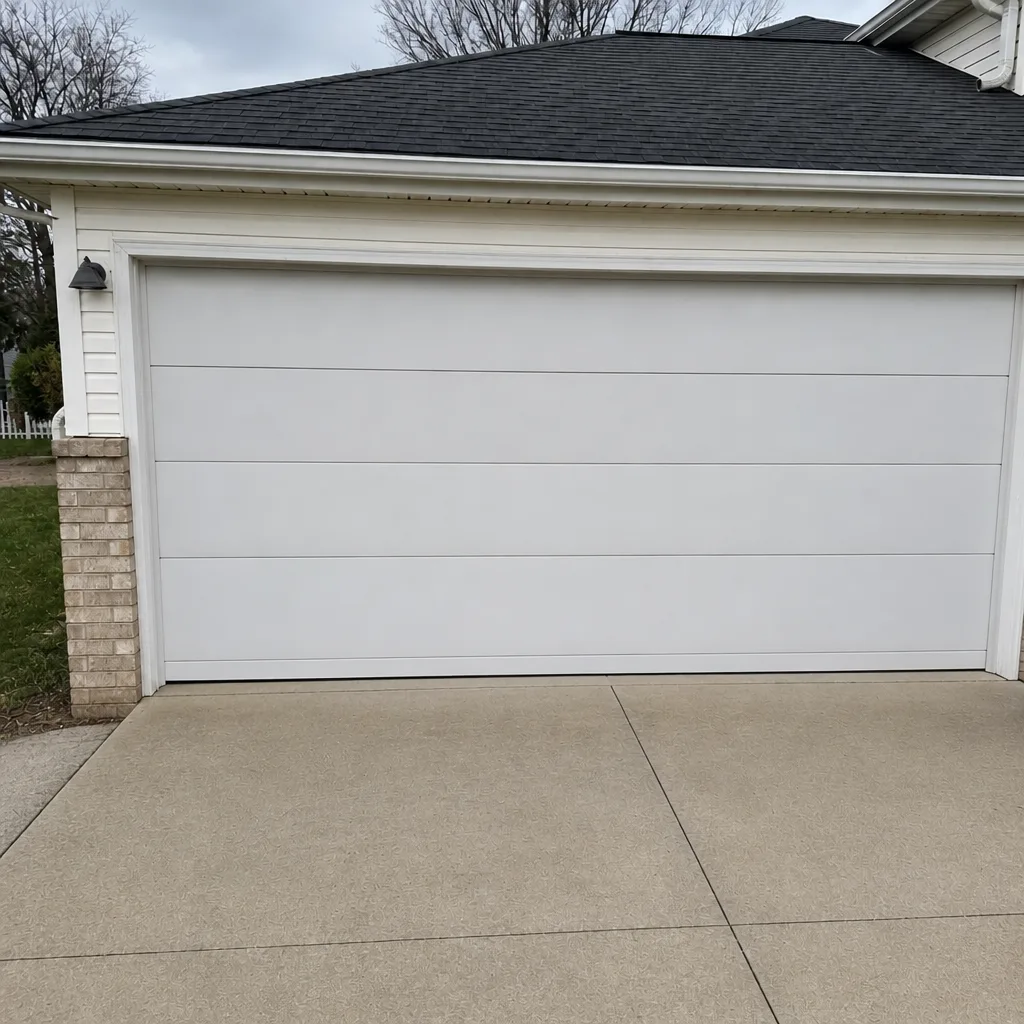 After
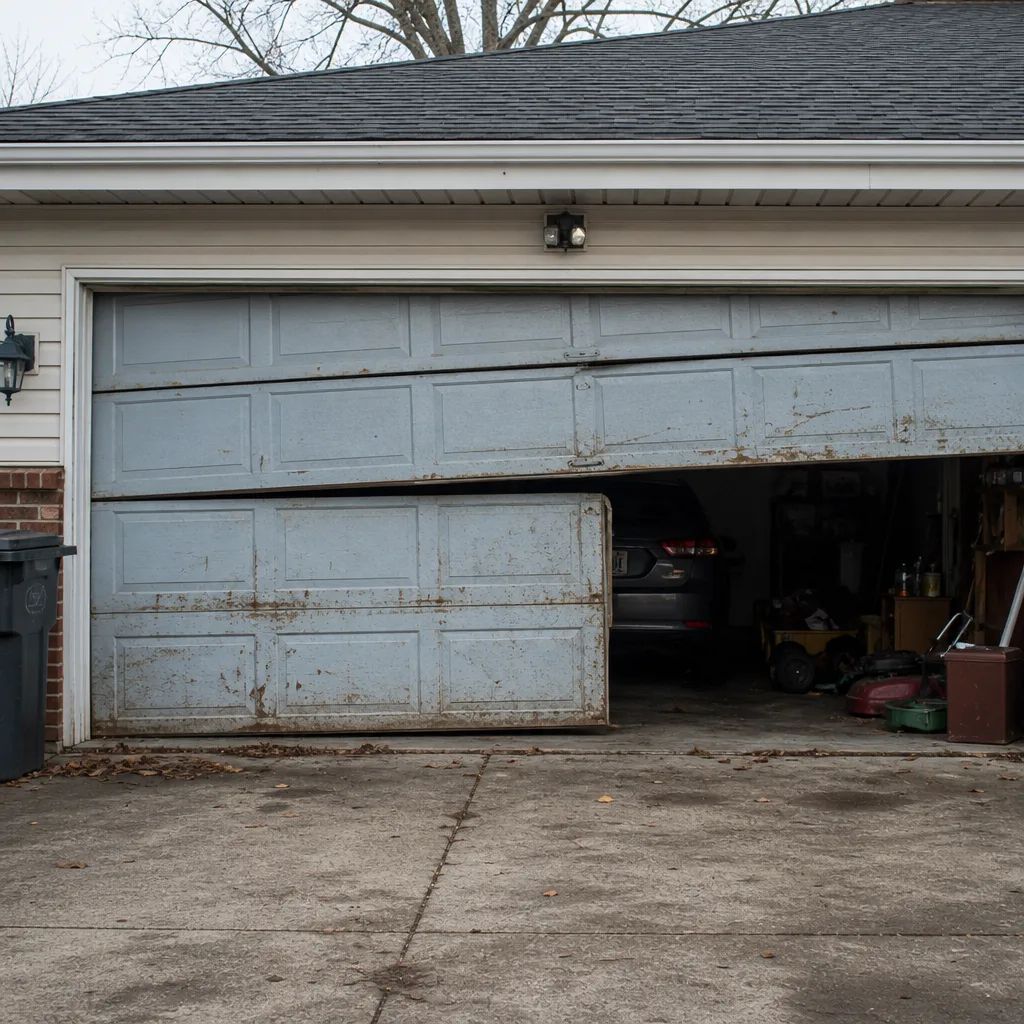 Before
 After
 Before
 After
Common Mistakes to Avoid
- Ignoring a Tier 2 sign until it becomes Tier 3. A slightly unbalanced door is a schedule-this-week problem. Pressure on the opener and a worn spring usually turn that into a stop-using problem. In Maple Grove winters, the switch from worn to failed can happen on a single cold morning.
- Diagnosing the door when the opener is at fault (or the reverse). Replacing an opener because the door drags leaves the real problem in place, and vice versa. Run the disconnect test before you assume anything.
- Lubricating the springs or the tracks with the wrong product. Grease on the tracks attracts grit and can make the door stick. More importantly, don’t attempt to service the springs at all. Springs are the most hazardous component on the door.
- Assuming a frozen door means a broken system. A stuck bottom seal in deep winter is often a seasonal sticking issue, not a hardware failure. Break the seal carefully and check whether the door returns to normal operation.
- Treating a loud bang as harmless. The bang of a snapping torsion spring is often mistaken for something falling. A door that suddenly lifts easily afterward is a stop-using sign, not a lucky break.
- Using a generalist who guesses at your brand. A door from Clopay, Amarr, Wayne Dalton or Raynor has its own hardware. A technician who doesn’t know the brand often misdiagnoses the failure.
- Skipping seasonal checks. Two minutes looking at springs, cables, tracks and rollers in spring and fall catches the bulk of problems while they’re still Tier 1.
When to Call a Professional
Call a professional when you reach a Tier 3 sign, when a Tier 2 symptom has gone more than a week without a plan, or when you simply can’t tell which tier you’re in. Any snapped torsion spring, loose cable, crooked door or door that reverses on its own is reason enough. Spring work in particular is not a homeowner task. The stored energy in a wound spring can cause serious injury, so leave it to a trained technician. If you have an older door in Maple Grove and you’re not sure whether what you’re seeing is normal wear or a failure starting, it’s worth a look before it escalates. Maple Grove Garage Door Repair Co offers free estimates in Maple Grove and can work with your specific brand. Call (877) 711-1381 and we’ll help you sort out the tier and the next step. Back up and running is always the goal, and knowing what’s safe to touch and what isn’t is how we get there.
Frequently Asked Questions
If the door is crooked, a spring has snapped, a cable is loose, or the door won’t stay up on its own, it’s an emergency and the door should stay closed. If the symptom is a squeak, a slight wobble or a small hesitation, it’s maintenance-level and you can schedule a visit this week. When in doubt, treat anything involving springs or cables as an emergency and call us at (877) 711-1381.
Cold temperatures combined with the temperature swings Maple Grove sees most of the year stress spring metal over thousands of cycles. A spring that’s already wearing out is more likely to snap on the first cold-morning cycle. If you hear a loud bang and the door suddenly lifts easily, the spring has failed. Stop using the door and call for a professional inspection.
A grinding sound usually means worn rollers, dry hinges or metal-on-metal contact in the tracks. It’s typically a Tier 1 or Tier 2 sign, which means it’s worth scheduling a visit soon. Continuing to run the door with grinding contact accelerates wear on the hardware. Call us for a free estimate and we’ll trace the source.
Some signs you can address yourself, like clearing debris from a track or checking that safety sensors are clean and aligned. Anything involving springs, cables or the opener’s internal parts should go to a trained technician because of the injury risk. Torsion springs are the most dangerous part of the door. When you’re unsure, call (877) 711-1381 before you touch anything.
Pull the emergency release cord to disconnect the opener, then lift the door by hand. If it lifts with even resistance and stays where you leave it, the door is healthy and the opener is likely at fault. If it’s heavy, sticks or drifts down, the door itself is the problem. That quick test points you to the right call.
No. A loud bang from the garage is commonly a torsion spring failing, and a door in that state is unsafe to operate. Leave the door closed, disconnect the opener, and call for a professional inspection. Springs store enormous energy and should never be inspected or repaired by hand.
The Bottom Line
Garage door warning signs are not all equal. Sorting them into monitor, schedule-this-week and stop-using tiers is the single most useful thing you can do as a Maple Grove homeowner. That framework lets you decide in seconds whether a symptom needs a maintenance visit or a professional call right now. Watch for the spring signals that matter most in Minnesota’s temperature swings, learn the opener-versus-door test so you call the right number the first time, and don’t let a seasonal quirk talk you into an unnecessary repair. And when you hit a stop-using sign, don’t push the button to see what happens. Keep the door closed and let a trained technician take it from there. When you need help reading a sign, our Maple Grove Garage Door Repair Co team is a call away.
Written by the team at Maple Grove Garage Door Repair Co.