Last updated November 21, 2026
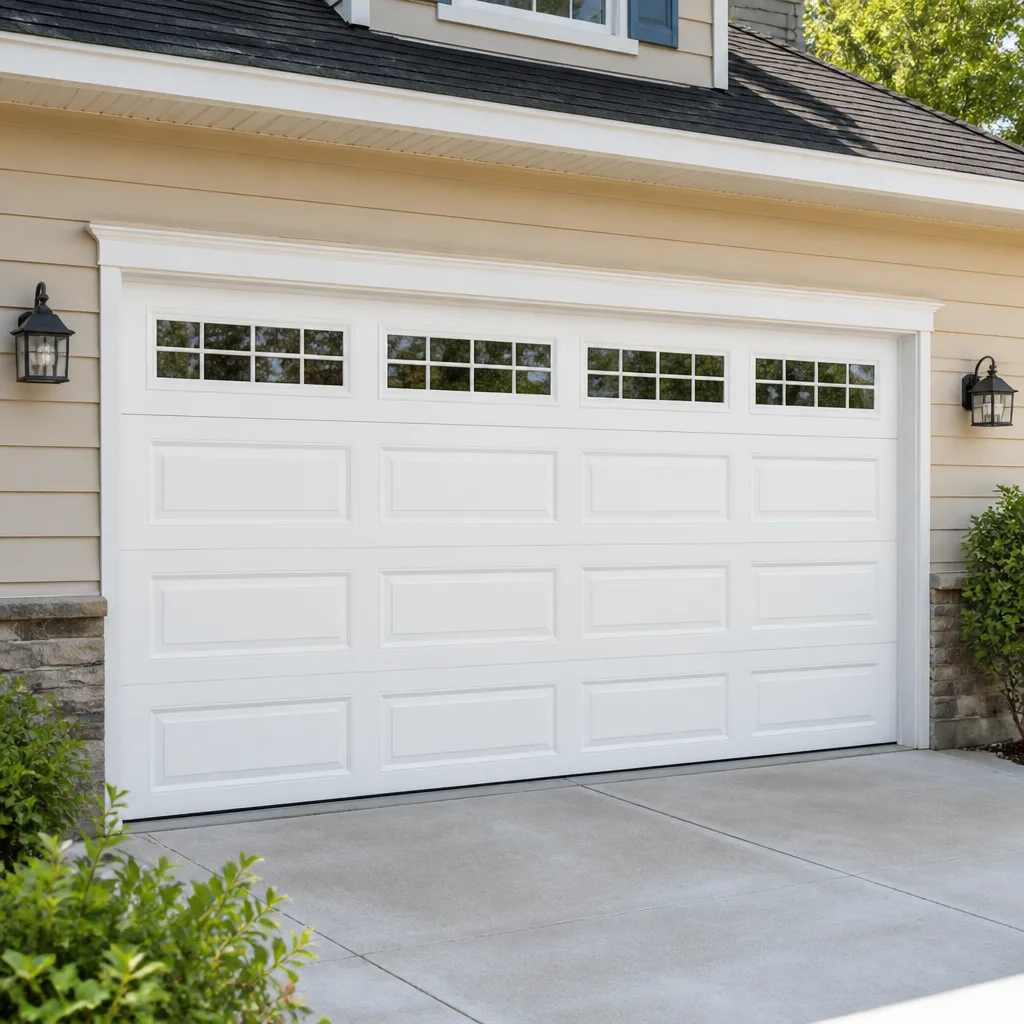 Raised-panel steel
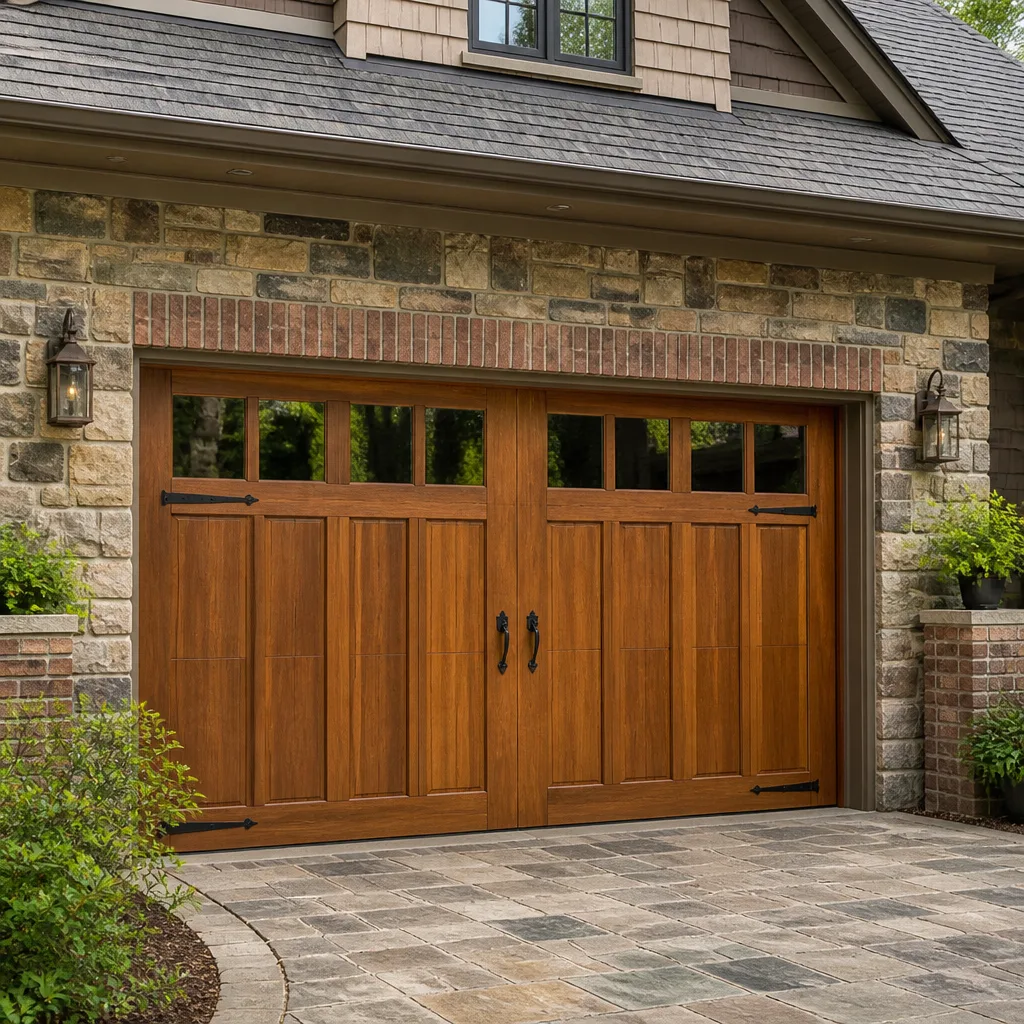 Carriage house
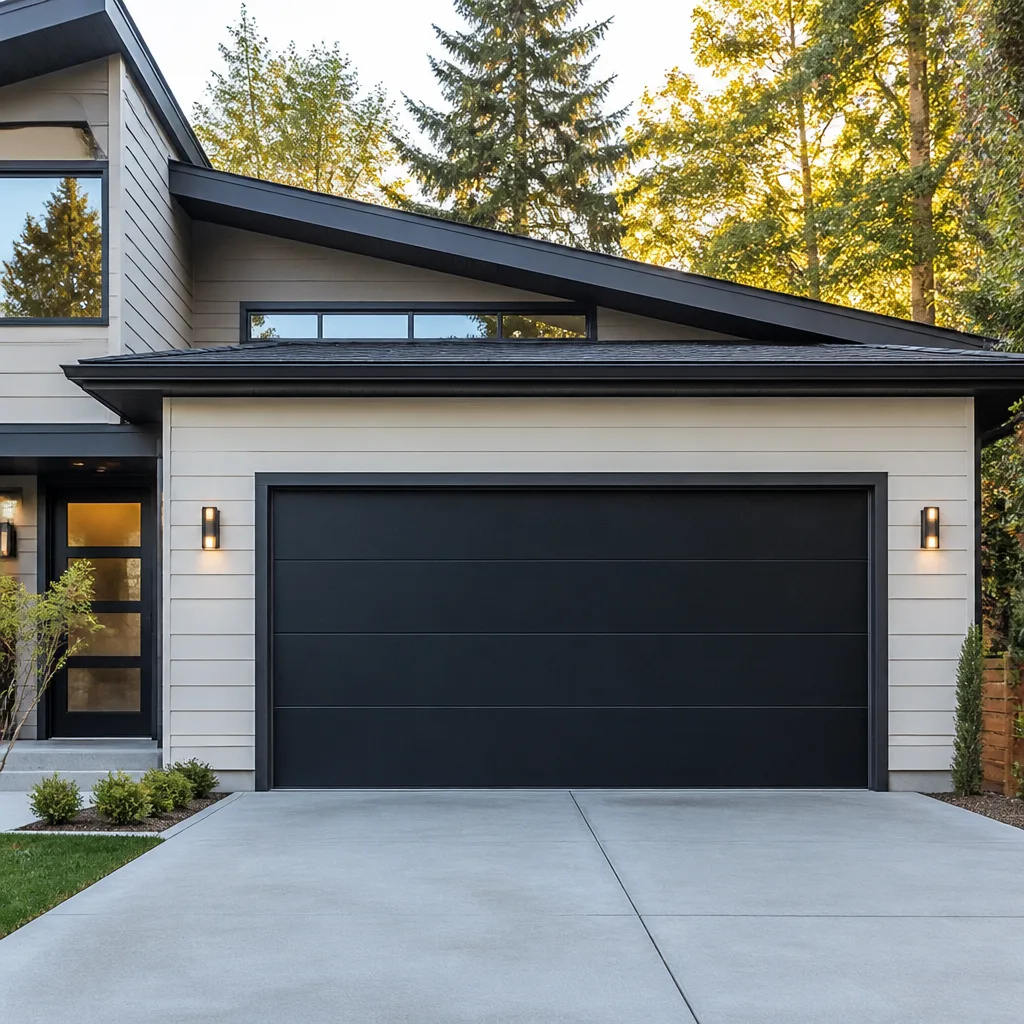 Modern flush
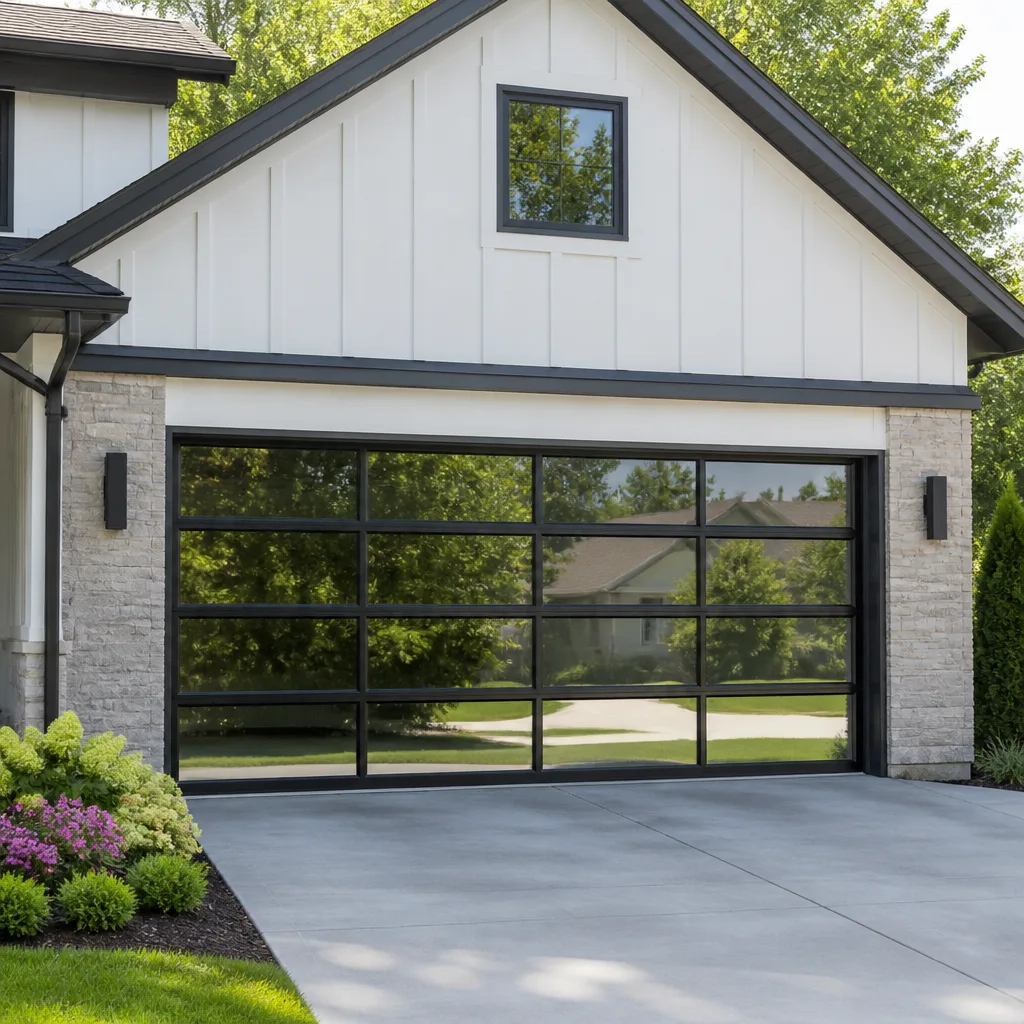 Full-view glass
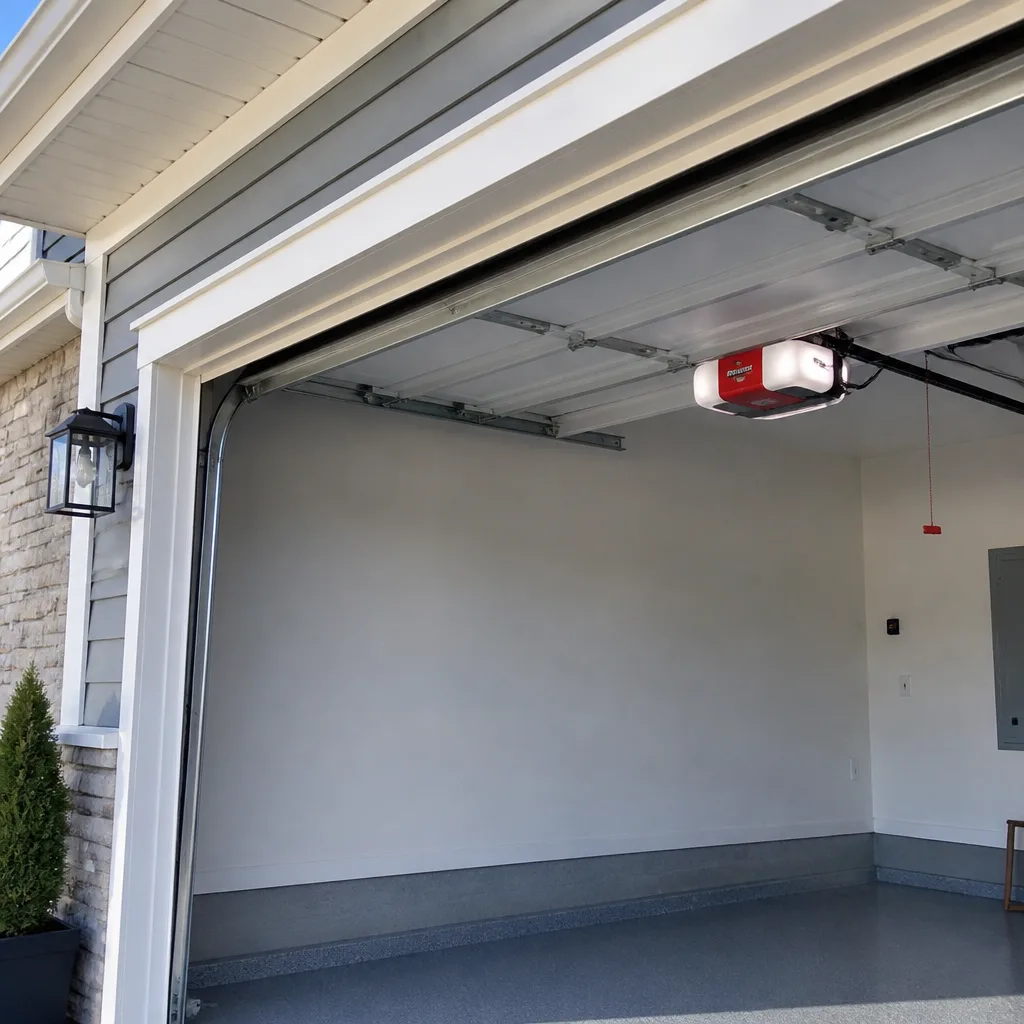 LiftMaster openers
 Chamberlain openers
Full 25-point door and opener safety check with every visit - springs, cables, rollers, tracks, and your LiftMaster or Chamberlain opener included
You get a price before we start. It does not change when the pro arrives.
Get your free estimateThe Complete Guide to Garage Doors in Maple Grove
Your garage door is the largest moving part of your home and, in most Maple Grove houses, the primary entry point – yet most homeowners know less about it than they do about their dishwasher. That gap is expensive. A door that’s out of balance wears its opener out prematurely. The wrong insulation choice turns an attached garage into a refrigerator from December through March. And a spring that’s been running past its service life is a breakdown waiting to happen on the coldest morning of the year. This guide covers what Maple Grove homeowners actually face: freeze-thaw cycles that punish cheap hardware, HOA rules that shape your choices before you shop, and why an attached garage changes the safety conversation. You’ll learn how to evaluate materials, brands, insulation, and lifecycle costs, and when to stop tinkering and call a professional.
Quick Answer
A garage door in Maple Grove needs to handle sub-zero winters, humid summers, and freeze-thaw cycling that’s hard on springs, cables, and weather seals. The right door for most local homes is a steel or steel-backed insulated model with a thermal break, matched to your home’s architecture and any HOA color rules in your community. Budget for the door, the opener, and roughly one service call every year or two; most failures – springs, cables, rollers, opener logic boards – are repairable rather than replacements.
Styles & brands we work with
- Raised-panel steel
- Carriage house
- Modern flush
- Full-view glass
- LiftMaster openers
- Chamberlain openers
Table of Contents
- How Maple Grove’s climate narrows your material choices
- Insulation: what actually matters in an attached garage
- Attached vs. detached garages: safety and security differences
- HOA rules in Elm Creek, Arbor Lakes, and nearby communities
- Brands installed in Maple Grove new construction and why it matters
- The 10-year lifecycle cost breakdown
- Seasonal maintenance you can do yourself
- Common mistakes to avoid
How Maple Grove’s climate narrows your material choices
Maple Grove sits in a climate with genuine seasonal extremes: winters that drop well below freezing for weeks at a time and summers with high humidity. That combination is tougher on a garage door than most national buying guides admit. Freeze-thaw cycling works every joint, weather seal, and hinge on the door. Cold contracts metal and stiffens grease. Humidity swells wood cores and corrodes low-grade fasteners. If your door was specced for a mild climate, you’ll feel it every February.
Here’s how the main materials hold up in a Maple Grove garage:
- Steel: The workhorse in this climate. Galvanized or steel-backed doors resist warping from moisture and hold paint. Ask about the finish and gauge – thinner panels dent more readily and rust along the bottom edge where road grime collects.
- Aluminum: Light and rust-free but dents easily in cold weather. A reasonable choice for low-traffic doors, less so for a busy family garage.
- Wood and wood composites: Beautiful and often required for certain architectural styles, but wood needs repainting every few years here. Moisture swings open the seams. Composite overlays on a steel base get you the look without the upkeep.
- Fiberglass and vinyl: Lightweight options that do fine on attached garages, though fiberglass can crack in extreme cold if the door isn’t properly braced.
The bottom line: steel or steel-backed construction with a quality finish, insulating core, and thermal break handles Maple Grove winters best. Wood is viable with more maintenance. If you’re not sure what your current door is made of, that’s a good first question for a professional – it tells you what to expect over the next decade.
Insulation: what actually matters in an attached garage
Insulation is the first thing Maple Grove homeowners ask about, and usually for the wrong reason. The question isn’t “how high is the R-value?” It’s “what does this garage share a wall with?” If your garage is attached to the house, insulation does two jobs: it slows heat transfer between the garage and the rooms next to it, and it reduces condensation on the door’s interior face in winter.
A few points worth understanding before you shop:
- Insulation is not a heating system. An insulated attached garage stays warmer than an uninsulated one, but it is not conditioned space unless you heat it separately. The insulation buys you a milder buffer, not a warm room.
- A thermal break matters as much as the core. Steel conducts cold. Without a thermal break between the outer and inner faces, you get cold bridging and condensation on the inside panel.
- Seals and thresholds do half the work. A perfectly insulated door with a worn bottom seal and gaps at the corners still leaks air. In our experience, resealing an old door often produces a bigger comfort gain than upgrading the panels.
- Three-layer construction usually wins. Steel skins on both sides with an insulating core give you the best combination of durability and thermal performance for the price in this climate.
If the garage shares a wall with a bedroom or living space, insulation is not optional in practical terms. The comfort difference between an uninsulated hollow door and an insulated model is noticeable on both sides of that wall.
Attached vs. detached garages: safety and security differences
Most homes in Maple Grove have attached garages, and that changes what you should care about. When your garage is under the same roof as where you sleep, the door is not just a convenience – it’s a barrier between your living space and the outside, and it’s often the way you come and go every day.
Carbon monoxide. If a car idles in an attached garage, exhaust can migrate into the house through gaps in the wall or ceiling. Working CO detectors inside the home near the garage door, plus a well-sealed door between the garage and the house, matter. Never idle a vehicle with the garage door closed.
Fire separation. The door between the garage and the house is typically required to be a rated door that resists fire longer than a standard interior door. If a previous owner replaced that door with a hollow slab or left a gap under it, that’s worth correcting. Ask your city’s building department what the local requirement is.
Security. An attached garage with an opener that’s older or unsecured is a quiet entry point. Modern openers with rolling-code technology prevent the “code grabbing” that older fixed-code systems allowed. A door that’s out of adjustment and doesn’t fully close leaves a gap a person can exploit. If your door has an auto-reverse that no longer works, that’s both a safety and a security problem.
Detached garages get a simpler calculation: fire and CO are less of a concern, but security and weather sealing go up in importance because there’s no heat sharing with the house. Either way, if you own the door, you own the responsibility for it.
HOA rules in Elm Creek, Arbor Lakes, and nearby communities
Maple Grove has a number of neighborhoods with architectural review requirements, and Elm Creek and Arbor Lakes are two commonly cited examples. Those requirements can shape what door you’re allowed to install – before you spend money on a door you can’t hang.
Here’s how to work through it:
- Get the architectural guidelines in writing. Most HOAs have a document specifying approved colors, panel styles, window options, and materials. Ask for the current version, not a neighbor’s memory of it.
- Match your existing color family. Many communities require the door color to coordinate with the home’s trim or field color. A close match is usually easier to approve than an exact match to a discontinued shade.
- Submit the request before ordering. Approval timelines matter when a door is failing. Get paperwork in early so the schedule doesn’t stall.
- Check whether your style needs a variance. Carriage-house styles, glass panels, and unusual window layouts sometimes require a variance even when the door is otherwise compliant.
This is one of the most avoidable sources of frustration in Maple Grove. Homeowners who choose a style first and check HOA rules second end up returning a door or filing an appeal. If you’re unsure whether your neighborhood restricts door styles, ask your HOA president or property manager first – and if a professional is measuring for you, tell them early which community you’re in. The rule book matters as much as the tape measure.
Brands installed in Maple Grove new construction and why it matters
Brand familiarity is a real practical advantage, not just a talking point. Garage doors and openers from different manufacturers use different hardware, spring configurations, and control logic. Being familiar with a brand means a technician diagnoses faster, orders the right part the first time, and avoids the guesswork that leads to repeat visits.
Maple Grove’s newer neighborhoods and many homes built in the last two decades commonly came with brands like Wayne Dalton, LiftMaster, Clopay, and Chamberlain, plus plenty of older homes running Craftsman and Raynor systems. That mix matters when you need a part:
- Wayne Dalton doors use specific hardware and panel profiles that need the correct replacement components. A generic part often fits poorly or not at all.
- LiftMaster and Chamberlain openers share an ecosystem for many parts and accessories, which makes opener repair more predictable.
- Craftsman openers are common in homes of a certain vintage, and parts availability varies by model year – knowing which generation you own saves time.
- Raynor systems appear in a fair number of local homes, and Raynor’s commercial-grade hardware is built differently from consumer doors.
We work on all of these brands, and it makes a difference. When your door or opener turns out to be a model a generalist has never serviced, that’s when a job that should be a straightforward garage door repair turns into a multi-visit puzzle. Check the label inside your opener or on your door’s hardware; if you can find the brand and model, you’ll get a faster, more accurate answer from any professional.
The 10-year lifecycle cost breakdown
The purchase price is only part of what a door costs. What separates budget doors from durable ones over a decade is repair frequency and parts availability. Here’s a realistic view of where the money goes over ten years.
| Cost category | What to expect |
|---|---|
| Spring replacement | Most residential torsion springs need replacing within the door’s lifetime; a matched pair is usually replaced together, roughly twice the price of one spring |
| Cables and drums | Occasional replacement, more often alongside a spring failure than on their own |
| Rollers and hinges | Regular wear items; rollers typically the first to go |
| Weather seals and bottom thresholds | Replaced every few years in this climate; a relatively small line item with a big comfort payoff |
| Opener service or replacement | Logic boards, gears, and belts wear; most openers last well beyond five years but not forever |
| Panel or section repair | Occasional – usually from an impact or a bad freeze-thaw failure |
Cheaper doors and lighter-gauge hardware tend to fail faster, and the gap between a budget door and a mid-range one is often recovered within a decade through fewer repairs and fewer “why won’t it close” calls. Asking about expected service intervals for a given model before you buy tells you more than the sticker price does. If you’re weighing repair against replacement, the deciding question is usually how well the rest of the door has held up – replacing one spring on a sound door is sensible; replacing the fifth section on a 20-year-old door usually isn’t.
Seasonal maintenance you can do yourself
A garage door is a machine, and a few simple checks go a long way. None of these involve working on springs, cables, or the opener’s internal wiring – those are jobs for a professional.
- Test the auto-reverse monthly. Place a piece of wood or a rolled-up towel flat on the ground where the door closes. If the door doesn’t reverse on contact, stop operating it and call a professional.
- Test the photo-eye safety sensors. With the door open, block one sensor’s beam. The door should not close, and should reverse if it was already closing.
- Lubricate the right parts. Apply a garage-door-specific lubricant to hinges, rollers (not the track), and the torsion shaft bearings – never use grease on the tracks themselves, and never oil a spring.
- Check the balance. Disconnect the opener, lift the door halfway by hand, and let go. A balanced door stays put. One that drops or rises on its own needs adjustment.
- Inspect the weather seal and bottom threshold. Look for cracking or gaps at the corners before winter – this is where cold air and moisture get in.
- Look at the hardware. Tighten loose bolts on hinges and brackets, but if you see a bent track, a frayed cable, or a spring with a visible gap, leave it alone and call a professional.
Two seasonal check-ins – one in early fall, one in early spring – catch most of the problems that lead to bigger repairs. If your door is making new noises, running unevenly, or the opener is straining, those are symptoms worth investigating with a garage door opener repair visit rather than guesswork.
Common Mistakes to Avoid
- Choosing a door without checking HOA rules first. A beautiful carriage-house door that your architectural review committee rejects is an expensive return. Check the guidelines in Elm Creek, Arbor Lakes, or wherever you live before you order.
- Testing a broken spring by hand. Torsion springs and extension springs store enormous energy. A door that won’t open, or a spring with a visible gap, is a call-a-professional situation; forcing it can cause serious injury or damage the door further.
- Greasing the tracks. Tracks aren’t meant to be lubricated, and grease attracts grit that grinds the rollers. Use the right lubricant on the right parts, and leave the tracks alone.
- Replacing the opener when the door is the problem. A door that’s out of balance or binding puts strain on any opener. Replacing the opener without fixing the door will simply wear out the new unit too – and if the problem is a failed garage door spring repair job, focus there first.
- Ignoring the gap under the door. In an attached-garage home, a worn bottom seal lets in cold air, moisture, and occasionally wildlife. A cheap seal replacement is one of the highest-value fixes in a Maple Grove home.
- Downgrading to the cheapest door available. In this climate, the difference in hardware quality and finish shows up within a decade, and the “cheaper” door often costs more in repairs.
- Mixing hardware brands. A spring or hinge from a different manufacturer can fit incorrectly and cause premature failure. If you have a Wayne Dalton door, use Wayne Dalton-compatible parts.
See the difference
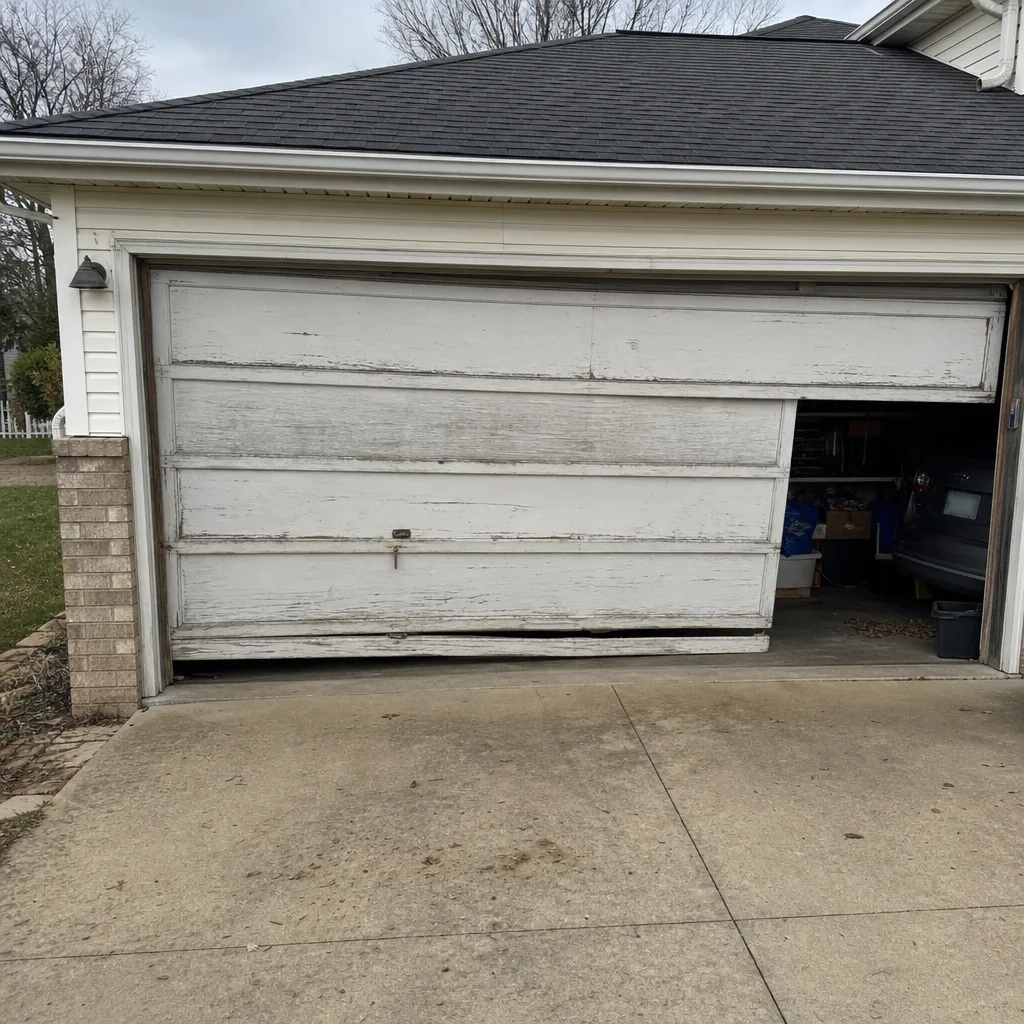 Before
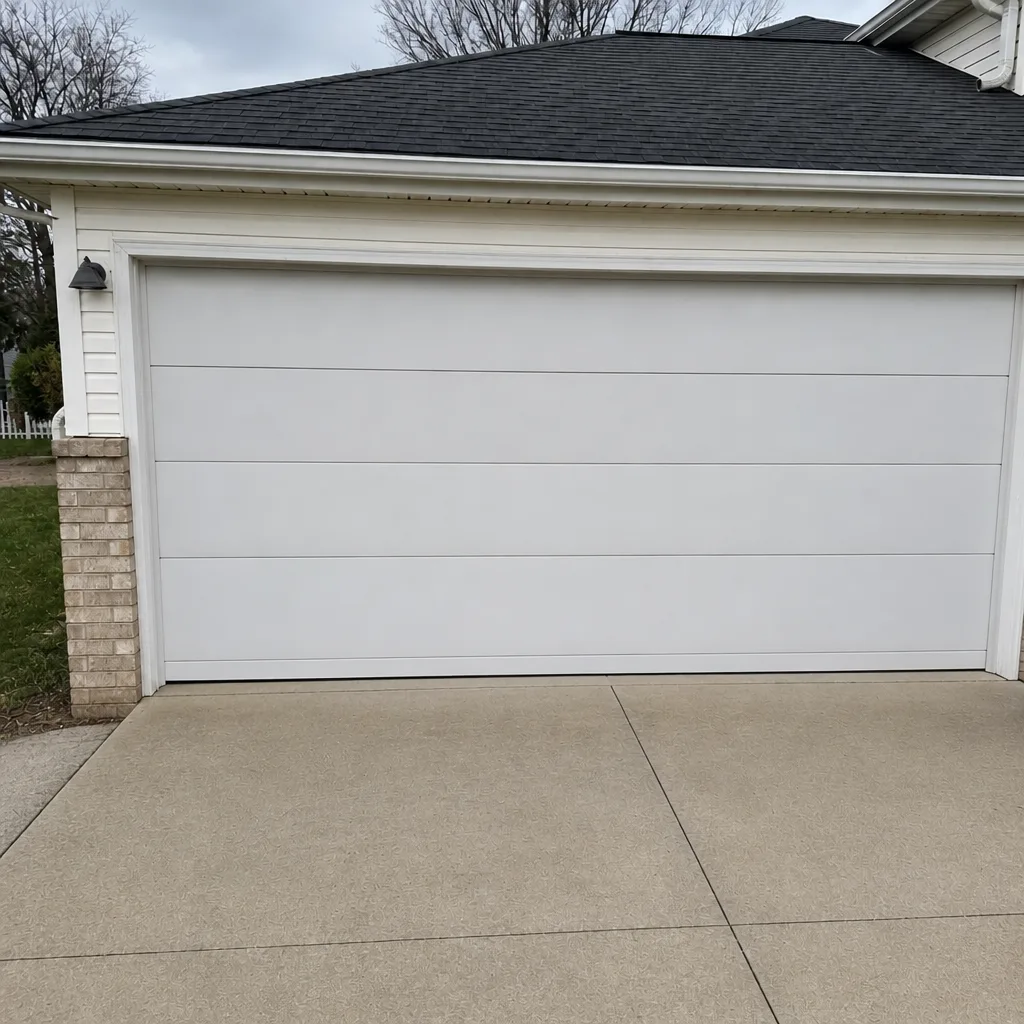 After
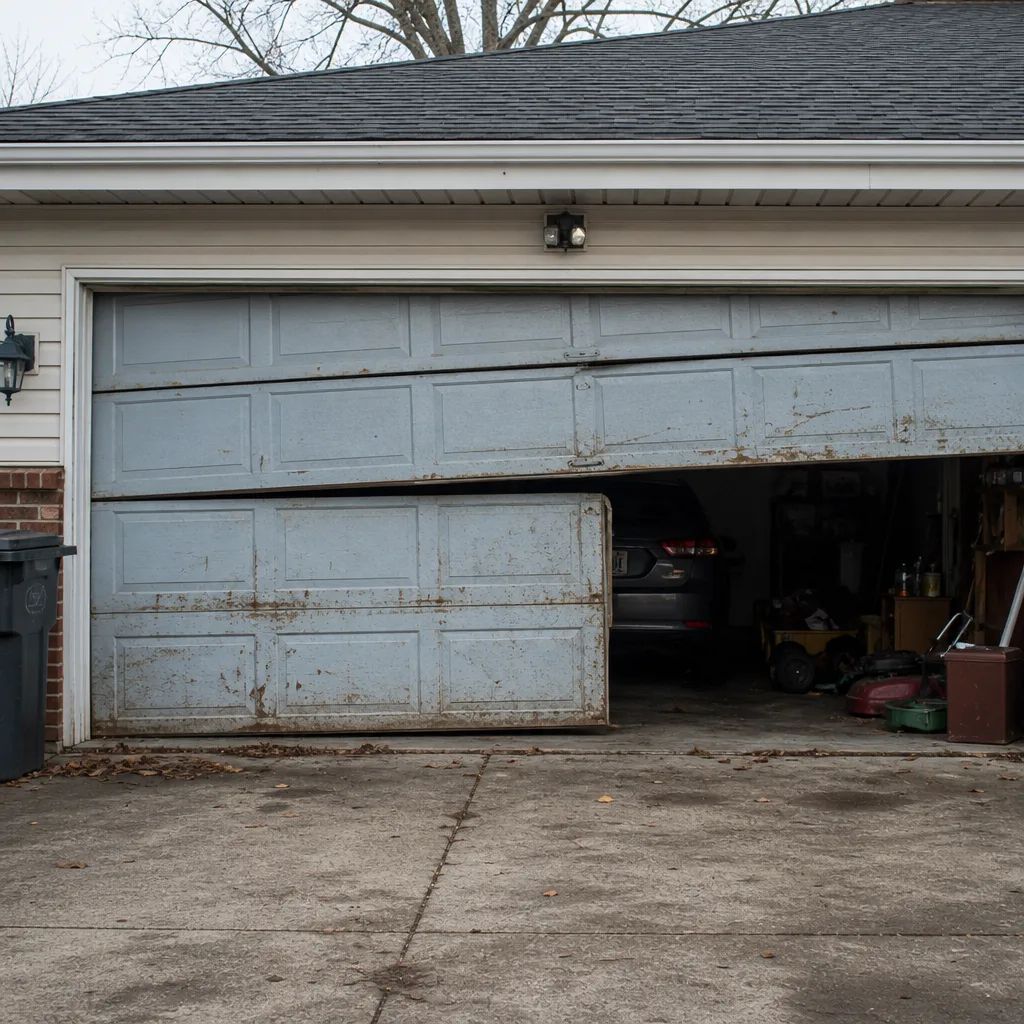 Before
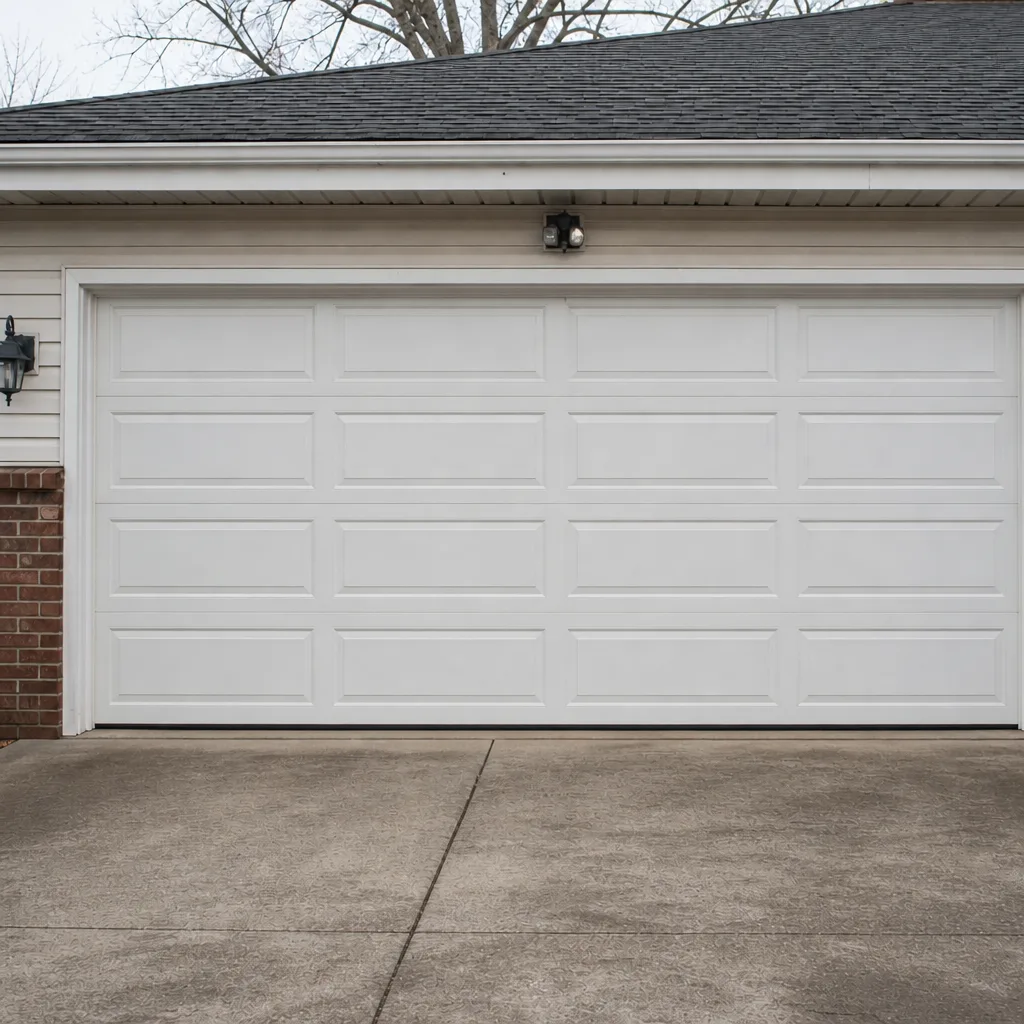 After
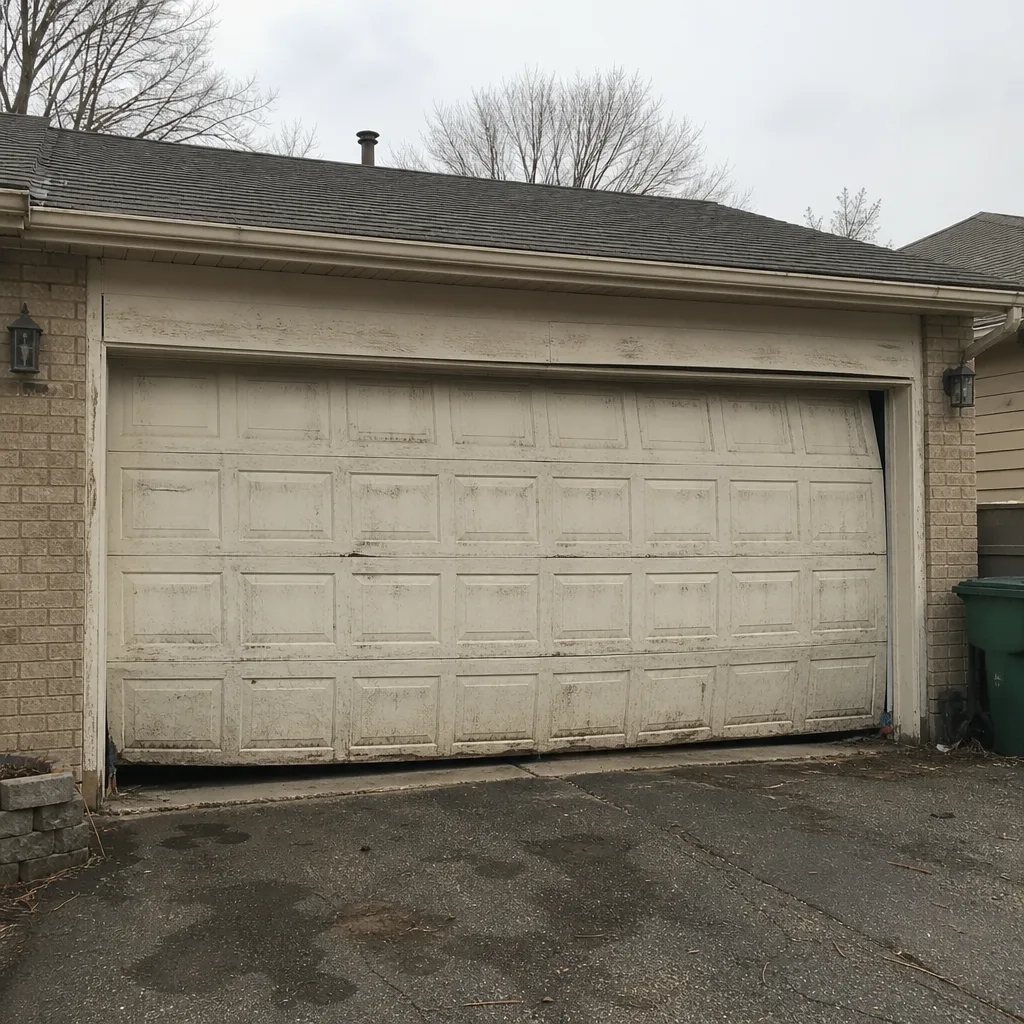 Before
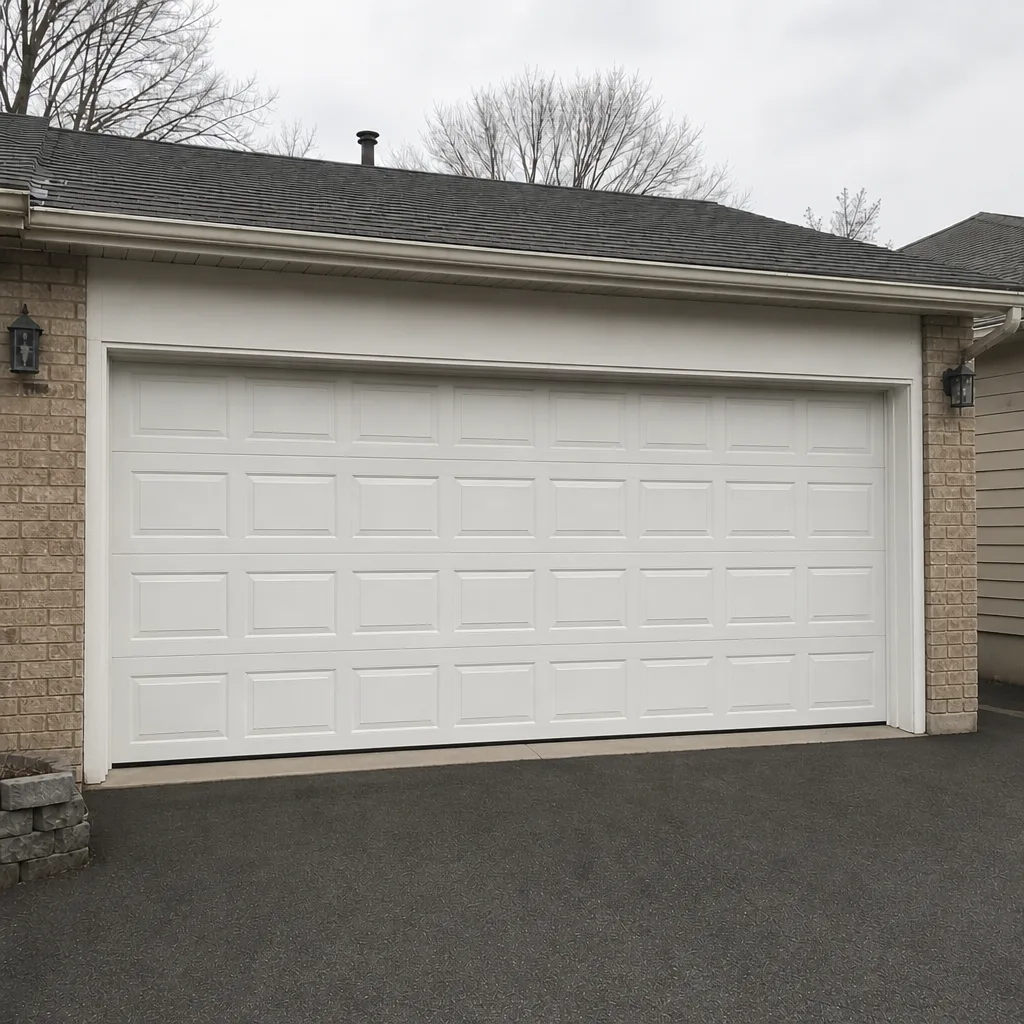 After
When to Call a Professional
Call a professional if the door won’t open or close, if the opener strains or the door binds, if you see a broken spring or a cable that’s off its drum, if the auto-reverse test fails, or if the door is making a new grinding or popping sound. Also call if the door has been hit, if you’re planning a replacement and need accurate measurements, or if your current opener is old and you’re unsure whether it’s compatible with a new door. Springs, cables, and opener wiring are genuinely dangerous to work on, and the risk isn’t worth the money saved. Maple Grove Garage Door Repair Co offers free estimates in Maple Grove – call (877) 711-1381 to get the process started.
Frequently Asked Questions
Most garage door repairs in Maple Grove are estimated per job, and the range depends on the specific part and the condition of the door – a spring replacement is not the same price as a roller and hinge tune-up, and a matched pair of springs costs roughly twice a single spring. The written estimate sets the final price, and you’ll see it before any work starts. Call (877) 711-1381 for an exact quote – estimates are free.
For most repair jobs, yes – we offer same-day and emergency service for doors that can’t wait. If your door won’t close, a spring has failed, or the opener has quit, call us and we’ll get you scheduled. New door installations and full replacements are measured, ordered, and scheduled rather than same-day. Call (877) 711-1381 and we’ll tell you what’s possible for your door.
No. We quote the job and agree on the price before any work starts, and the written estimate is what you pay. If a technician discovers an additional issue during the job, they’ll explain it and get your approval before doing anything extra.
The local professionals we connect you with are licensed and insured as their state requires, and trained on the brands they service. We’re factory-familiar with LiftMaster, Chamberlain, Genie, Clopay, Amarr, Wayne Dalton, Craftsman, and Raynor, so we’re not guessing at your door or opener. Call (877) 711-1381 with questions before you book.
Homes built over the last couple of decades in Maple Grove commonly have Wayne Dalton, Clopay, LiftMaster, and Chamberlain products, while older homes often run Craftsman, Genie, and Raynor systems. Knowing your specific brand and model speeds up diagnosis and helps a technician order the right part the first time. If you can find a label on your opener or door hardware, have it ready when you call.
Permit requirements vary by project and by city, so it’s best to ask Maple Grove’s building department directly before a replacement. Structural changes – widening an opening, changing a header – are more likely to require a permit than swapping a door of the same size. Your HOA may also have its own approval process separate from the city, so check both.
The Bottom Line
In Maple Grove, garage doors are built to survive real winters. Choose materials for the climate (steel or steel-backed with a thermal break), understand what insulation does and doesn’t do in an attached garage, and check your HOA rules before you shop. Most failures are repairs rather than replacements, so don’t skip the maintenance that catches small problems early. Springs, cables, and opener wiring aren’t DIY territory – a trained professional handles those safely. Whether you need a tune-up, a Maple Grove Garage Door Repair Co team to diagnose a stubborn opener, or a full new door, the right approach protects both your investment and your home. Our technicians have up to 14 years of experience working on all these brands.
If you’re ready to move forward or just want a straight answer about your door, call (877) 711-1381 for a free estimate. We’ll help you figure out whether you’re looking at a repair, a replacement, or something simpler – and get you back up and running.
Written by the team at Maple Grove Garage Door Repair Co.