Last updated November 21, 2026
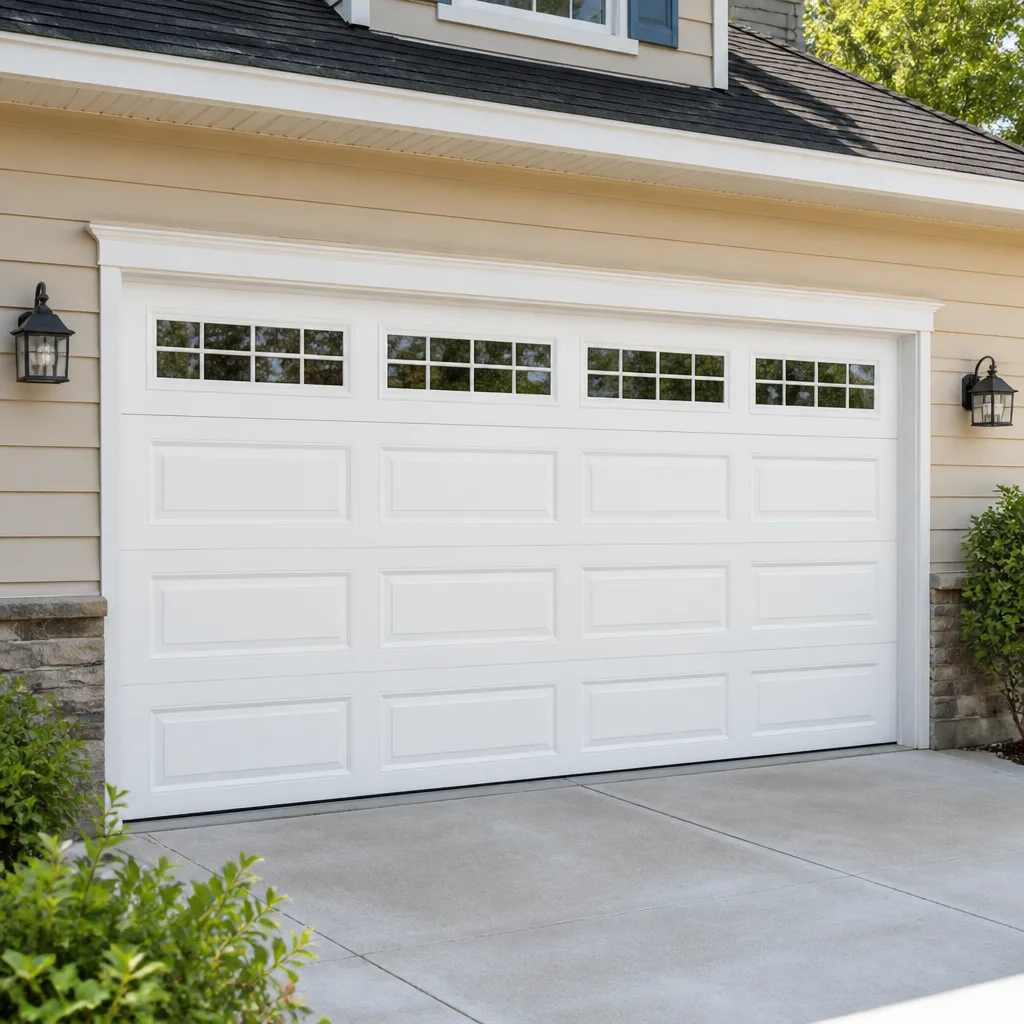 Raised-panel steel
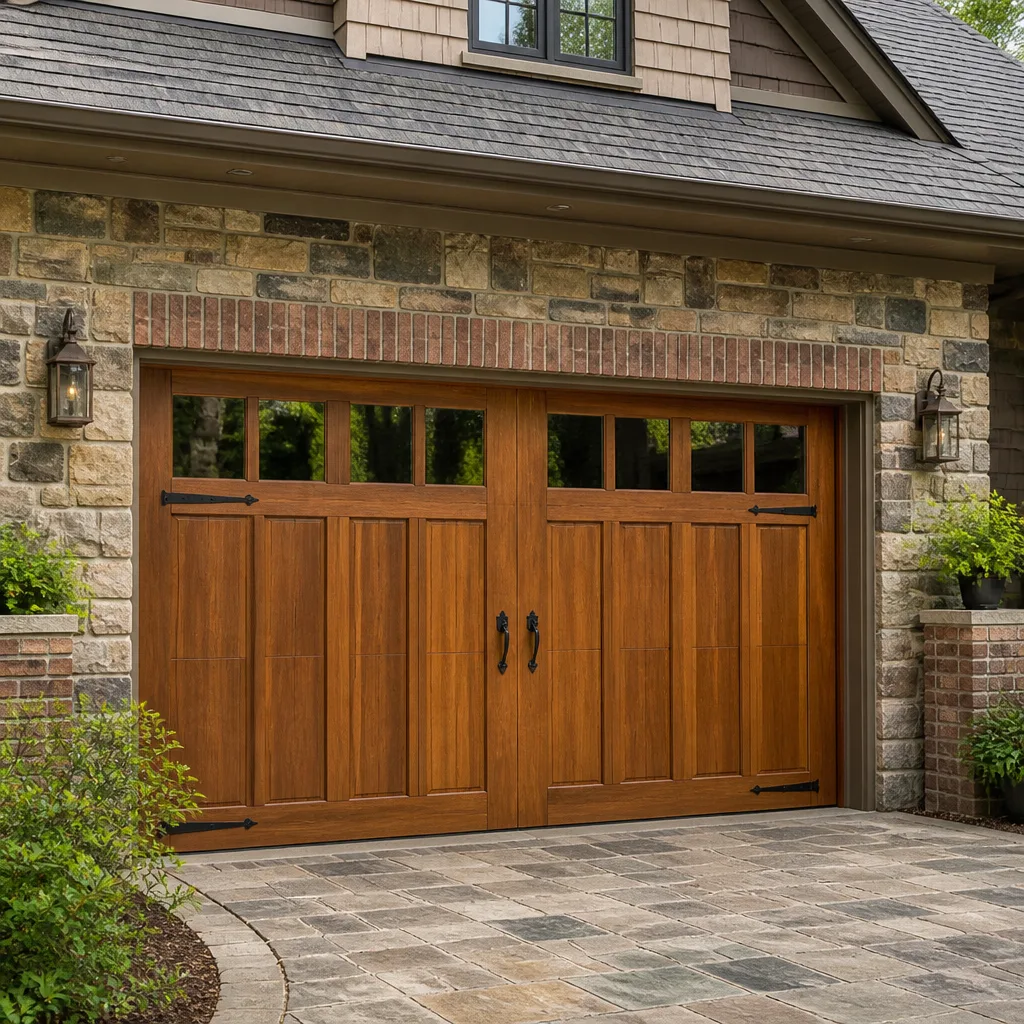 Carriage house
 Modern flush
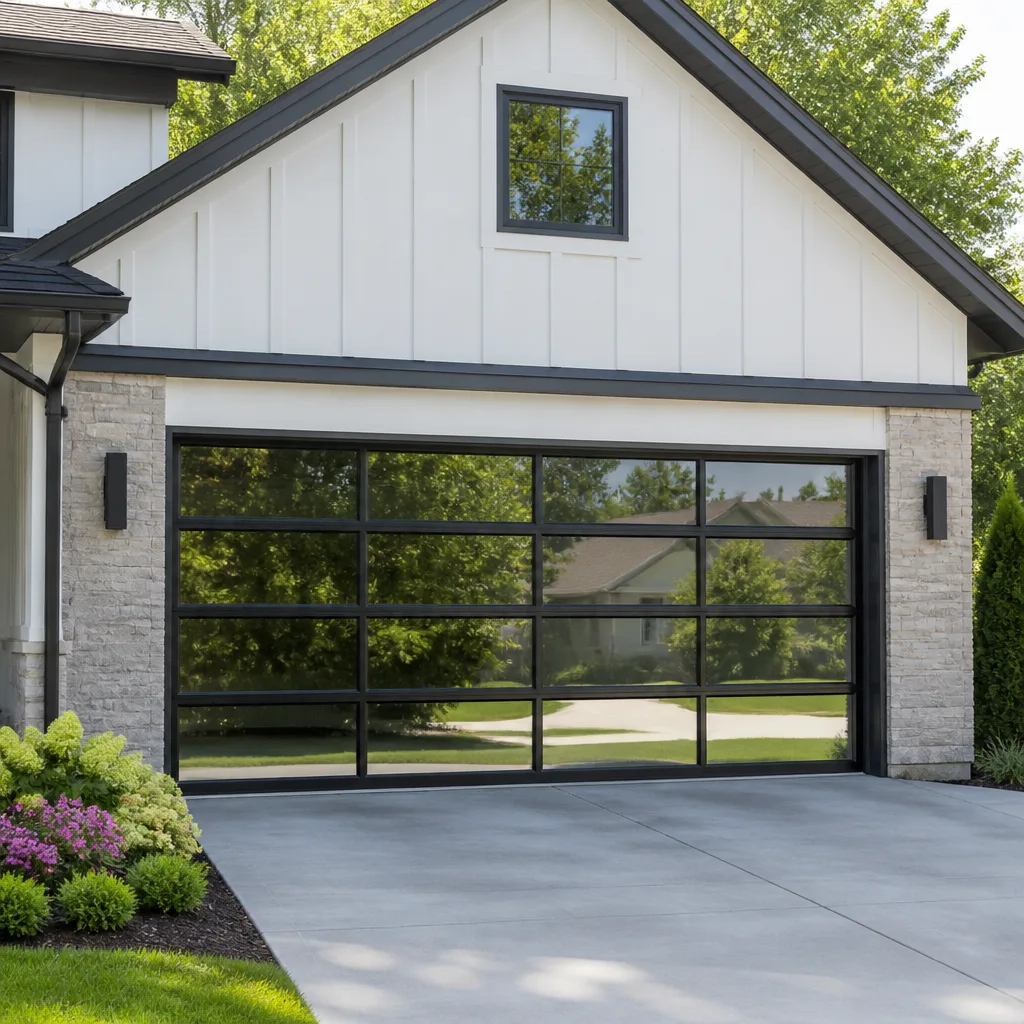 Full-view glass
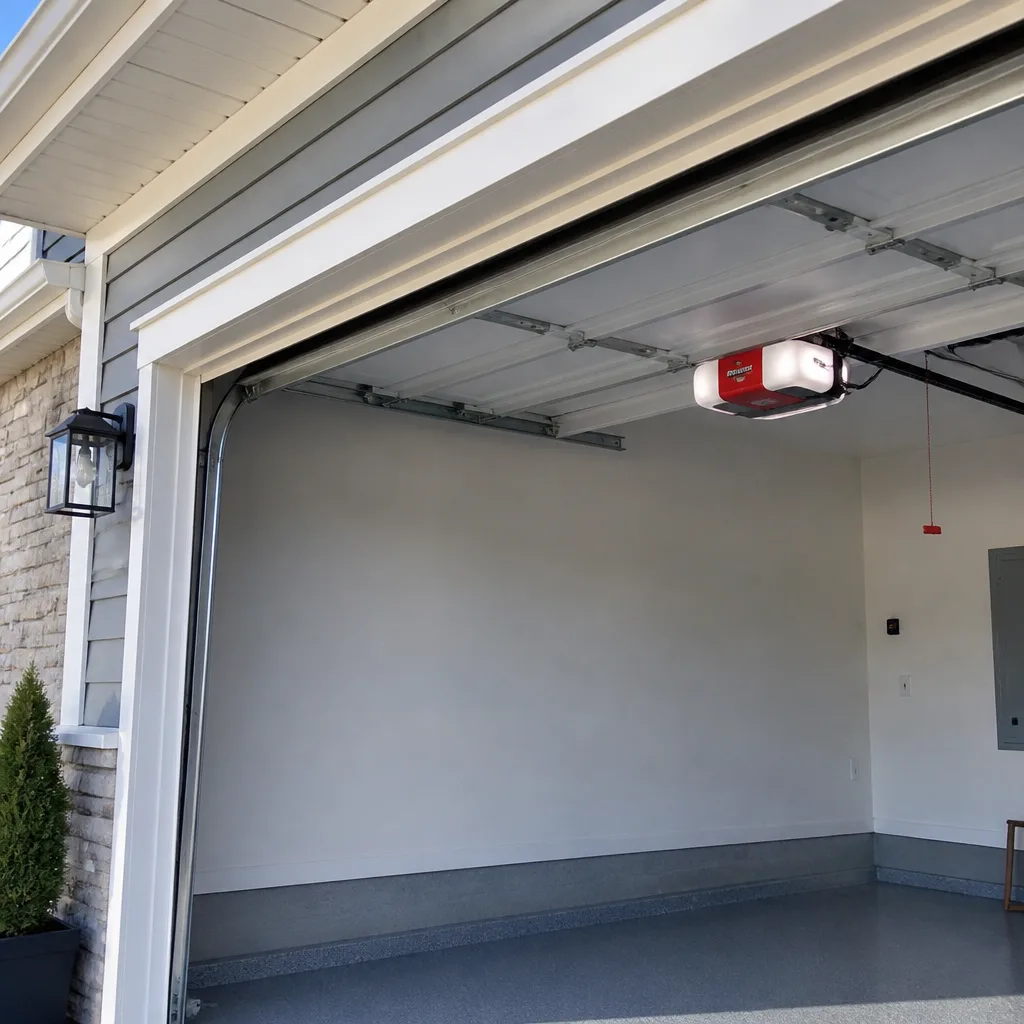 LiftMaster openers
 Chamberlain openers
Full 25-point door and opener safety check with every visit - springs, cables, rollers, tracks, and your LiftMaster or Chamberlain opener included
You get a price before we start. It does not change when the pro arrives.
Get your free estimateSeasonal Garage Door Care for Maple Grove: Year-Round Homeowner’s Guide
January doesn’t break most Maple Grove garage doors. March does – when temperatures swing 40 degrees in a single day and hardware that contracted all winter suddenly starts moving again. That daily freeze-thaw cycle in the shoulder months is the real culprit behind bent hinges, cracked bottom seals, and openers that strain against a door that’s gone slightly out of square. Most care guides hand you four identical seasons of weatherstripping advice. This one is different: it builds your whole year around the two transition periods – late fall and early spring – that do the most cumulative damage in Minnesota. You’ll learn what to inspect and when, how summer humidity treats wood and composite doors, how to safely free a frozen door, and how to keep a simple maintenance log. That log does real work when you sell.
Quick Answer
In Maple Grove, the highest-risk periods for a garage door are the freeze-thaw shoulder seasons – roughly March and November – when rapid temperature swings expand and contract metal tracks, hinges, and springs, and meltwater refreezes inside weatherstripping. Do two focused inspections a year (spring and fall), keep the tracks clear of grit and ice, test the opener’s safety reverse monthly, and log everything. The day-to-day maintenance you can handle yourself; springs, cables, and anything involving the opener’s electrical internals call for a trained professional.
Styles & brands we work with
- Raised-panel steel
- Carriage house
- Modern flush
- Full-view glass
- LiftMaster openers
- Chamberlain openers
Table of Contents
- Why Minnesota’s Shoulder Seasons Are Harder on Your Door Than Deep Winter
- The March Transition: Your Spring Inspection Checklist
- How to Safely Unstick a Door Frozen to Its Weatherstripping
- Summer Humidity and Wood or Composite Doors
- Fall Prep That Goes Beyond Weatherstripping
- Winter Care and What to Leave Alone
- The Seasonal Log That Pays Off When You Sell
Why Minnesota’s Shoulder Seasons Are Harder on Your Door Than Deep Winter
Most homeowners brace for the cold. In our experience, the cold is the easy part. A Maple Grove garage door that’s been sitting at a steady 10 or 20 degrees for weeks is stable. Metal contracts, wood shrinks, and everything holds still. It’s the thaw that causes trouble.
When the temperature climbs 40 degrees in an afternoon – a common pattern in March around Maple Grove – the steel in your tracks, hinges, and torsion spring warms up and expands, while the wood in the door panel is still catching up. Different materials move at different rates. Add meltwater running down a door that was frozen solid the night before, and you get the classic shoulder-season cocktail: refreezing water wedging itself under bottom seals, hardware loosening a quarter-turn, and an opener that suddenly has to fight a door that’s binding in spots it didn’t bind a week ago.
Those daily swings repeat for weeks in late fall and early spring. That’s why a door that ran quietly all winter can start groaning in April – the damage accumulated slowly, one thaw at a time, and only shows up when the hardware finally settles into a new, slightly crooked position.
Three specific things go wrong in the transition months:
- Bottom seals crack or pull free. Water gets in, freezes, and pries the seal away from the panel.
- Torsion springs take uneven stress. A spring that sat compressed in the cold cycles rapidly as the door opens and closes more in warmer weather.
- Tracks go out of plumb. Frost heave shifts the slab slightly, and the vertical tracks move with it.
If you notice a door that’s suddenly sluggish or loud once the thaw hits, it’s worth having it looked at rather than waiting for a failure. A quick garage door repair visit in March costs far less than an emergency call after the opener burns out in April.
The March Transition: Your Spring Inspection Checklist
The first genuinely warm week of March is the right time to walk your door from one end to the other. Not January, not May – that first thaw, when everything you’ll find is still easy to fix. Spend 20 minutes on these steps:
- Open and close the door once, listening. Note any grinding, popping, or uneven movement. A correctly balanced door should run smoothly from start to finish.
- Check the bottom seal along its full width. Look for cracks, brittleness, and water sitting under the rubber. A seal that’s pulled free lets meltwater freeze underneath.
- Run your hand along each vertical track. They should feel straight and firmly bolted. Give each bracket bolt a gentle turn with a wrench – a quarter-turn of snugness is enough.
- Look for rust or pitting at the hinges and roller stems. Meltwater sits in these joints.
- Test the opener’s safety reverse. Lay a piece of wood flat in the door’s path and close it. The door should reverse on contact. If it doesn’t, stop using the opener and call for service.
- Check the photo-eye alignment. Wipe both lenses – winter grit accumulates on them – and confirm the indicator light on each is steady.
Here in Maple Grove, the ground stays frozen well into March, so meltwater from the roof and driveway has nowhere to drain. That’s why the bottom seal and the track base take the hardest hit. If you spot water pooling at the threshold after a warm day, clear a path for drainage away from the door.
If your opener is straining or the safety reverse isn’t working, our garage door opener repair team can diagnose the issue; we’re familiar with LiftMaster and Chamberlain units common in Minnesota homes and can source the right parts without guesswork. The door itself can still be opened by hand, so don’t panic if the opener quits during your March visit.
How to Safely Unstick a Door Frozen to Its Weatherstripping
On a morning when the door won’t budge, the worst thing you can do is hit the opener button repeatedly. The force of a straining opener can strip the drive gear or break the door’s bottom section – and on a unit that connects to a smart-home system, it can throw all kinds of error codes before you’ve figured out the door is frozen.
Instead, work in this order:
- Turn off the opener at the wall control. Don’t use the remote; make sure it’s off.
- Pull the manual release. This disconnects the opener from the door so you can move the door by hand.
- Check for ice at the bottom edge. If you can see a rim of ice where the door meets the floor, don’t force it.
- Soften the seal gently. Pour lukewarm (not hot) water along the bottom edge to melt the ice. Hot water can crack cold rubber and warp a wood door, so keep it lukewarm.
- Work in small increments. Once the ice loosens, lift the door by hand a few inches to break the seal’s grip.
- Have a second person help on a heavy double door. A 16-foot door is much heavier than it looks.
- Reconnect the opener once the door runs freely.
If the door still won’t move after the ice clears, or if the opener has been trying to force it, stop here. The mechanism may have taken real strain. Call our garage door spring repair team – a frozen door that suddenly reopens can put a lot of extra stress on a torsion spring. If you’re stuck on a Sunday, call us and we’ll book you for the next available visit; our emergency service is available when a stuck door can’t wait until Monday morning.
Summer Humidity and Wood or Composite Doors
Minnesota summers are humid, and humidity is kryptonite for a wood garage door in particular. The wood absorbs moisture, swells slightly, and the paint or stain on the outside can blister if water gets trapped behind it. Composite and steel-backed doors handle summer better, but they still face the same condensation inside the panel cavity, which feeds mold growth on some composite cores.
You don’t need to repaint every year. What works better:
- Inspect the finish in June, not August. Look for small cracks, flaking, or areas where the paint has thinned to the wood grain. Touch up those spots with the manufacturer’s recommended coating – a small repair beats a full repaint.
- Keep the bottom seal dry. If water is pooling behind the door after a storm, fix the seal or improve drainage. That’s the entry point for most moisture damage.
- Check for condensation on the inside of the panel. In especially humid weather, wood doors can sweat. Leave the door open for a while on dry days to let the panel equilibrate.
- Don’t pressure-wash a wood or composite door. It forces water into seams and cracks the finish. A garden hose and a soft brush are enough.
For a Clopay or Amarr wood-look composite door, the manufacturer’s maintenance recommendations are the right guide. Our team is familiar with both brands and can tell you what the panel wants in our climate. But if the finish is intact and the door runs smoothly, summer humidity in Maple Grove rarely causes a problem worth calling about.
Fall Prep That Goes Beyond Weatherstripping
November is the second shoulder season, and the risk here is different from March. In the fall, you’re preparing your door for the freeze, not recovering from it. Most advice stops at new weatherstripping. Here’s what actually matters before the first hard frost in Maple Grove.
Torsion spring tension
A torsion spring carries the door’s weight. Over a year of freeze-thaw cycling, it can lose some of its tension – a door that suddenly feels heavy or won’t stay open is a warning sign. Don’t adjust it yourself. Torsion springs are under dangerous tension, and adjusting them by hand causes serious injury. Have a trained technician check the springs and balance before winter. It’s a safety-critical check, and it’s a good time to book a pre-winter inspection.
Remote battery and opener test
Cold weather drains batteries faster. Replace your remote batteries in October so you’re not locked out of the door in January. Test the wall control and each remote to make sure all are working. On a LiftMaster or Chamberlain opener, also check that the safety reverse and photo-eye tests still pass – the lens can fog up or cloud in wet weather, and a dirty lens reads as an obstruction.
Other fall steps
- Lubricate hinges, rollers, and tracks. Use a silicone or lithium spray, not WD-40. Skip the torsion spring and cables – those are best left to a pro.
- Clean the tracks. Grit and leaves collect over summer and become an ice trap in winter.
- Check the door for balance. Lift it halfway by hand and release it. It should hold position. If it drops, the springs need a look.
- Clear drainage before the ground freezes. A driveway that pools water near the threshold leads to ice buildup all winter.
Winter Care and What to Leave Alone
Once the ground is frozen solid and the temperature holds steady, your door is in its most stable season. That doesn’t mean you don’t touch it, but your winter work is light.
- Clear snow and ice from the door path. Don’t let it pile against the bottom seal or freeze to it.
- Keep the opener running smoothly. A door that’s been properly prepped in fall should run quietly all winter.
- After a snowstorm, check the bottom seal for ice. A night of freezing sleet can leave a rim of ice all along the door.
- Skip the monthly safety test if it’s below 10 degrees. Cold weather can make the reverse test unreliable; resume in March.
What to leave alone in winter: don’t lubricate a frozen mechanism, don’t try to adjust spring tension in the cold, and don’t force a stuck door. If your door fails in the middle of a January cold snap and you can’t wait until the next weekday, our emergency garage door service is available – we can fix springs, openers, or a door that’s stuck in the open position even when the cold makes the work harder.
The Seasonal Log That Pays Off When You Sell
Here’s a small habit that most homeowners overlook: keep a simple maintenance log for your garage door. When you sell your Maple Grove home, a documented maintenance history is evidence of care, and buyers and inspectors respond well to it. It’s the kind of thing that helps a house feel maintained rather than neglected.
A log can be a notebook, a note on your phone, or a shared document – whatever you’ll actually keep updated. Record each of these:
- Date and what you did. “March 2026 – replaced bottom seal, tightened track bolts.”
- Who did the work. You, or the technician who came out.
- Parts replaced (with brand where known). “Chamberlain opener drive belt,” for example. Brand and model numbers matter when a buyer or future technician needs to know what’s installed.
- Any repairs or service calls, with the issue described. “Spring replaced after door stuck in cold snap” tells a story.
- Opener installation or service. If your opener was installed or repaired, note the date and make.
- New door installation date. If you eventually install a new door, record the date, brand, and model.
The log doesn’t need to be fancy. Two sentences per entry is enough. What it does is separate your listing from the one down the street where the door has clearly never been looked at. And it gives a future technician a head start on the door’s history – which saves time and money on the next service call. That’s the sort of unglamorous, long-view habit that tends to pay off. Learn more about how we approach Maple Grove Garage Door Repair Co service and everything from opener repair to a full new door.
Common Mistakes to Avoid
- Forcing a frozen door with the opener. Idiots do this. Repeatedly hitting the button against a door stuck to its seal can strip the drive gear, snap the door’s bottom section, or burn out the opener’s motor. When the handle won’t move, disconnect the opener.
- Repainting wood doors every spring. Full repaints wear the finish and cost money. Touch up the small spots instead, and let a quality finish do its job for several years.
- Lubricating the torsion spring. It’s tempting to spray everything that looks dry, but a lubricated spring can collect grit and wear faster. Springs are for a technician to inspect, not to spray.
- Ignoring March. A door that ran fine all winter gets a pass until it doesn’t. In Maple Grove, the thaw is the test. Inspect after that first warm spell and fix small issues before they become a stuck door in April.
- Skipping the fall balance check. A door that gets heavy as the cold sets in is warning you about a spring losing tension. Catching it before the freeze saves an emergency call.
- Using WD-40 as a lubricant. It’s a solvent, not a long-term lubricant. Silicone or lithium spray is what tracks, rollers, and hinges actually want.
- Skipping the log. The one time you’ll want to know the door’s history is when you sell – and by then the details are gone.
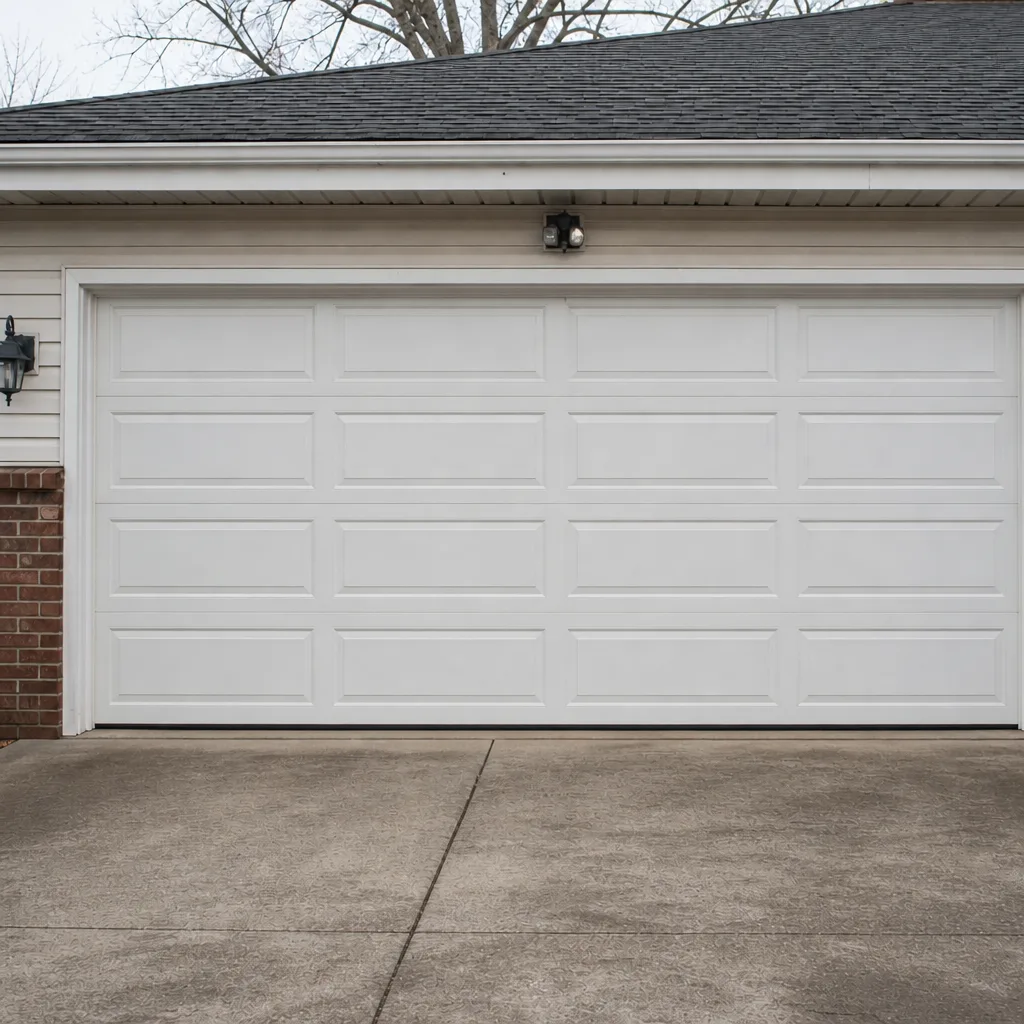
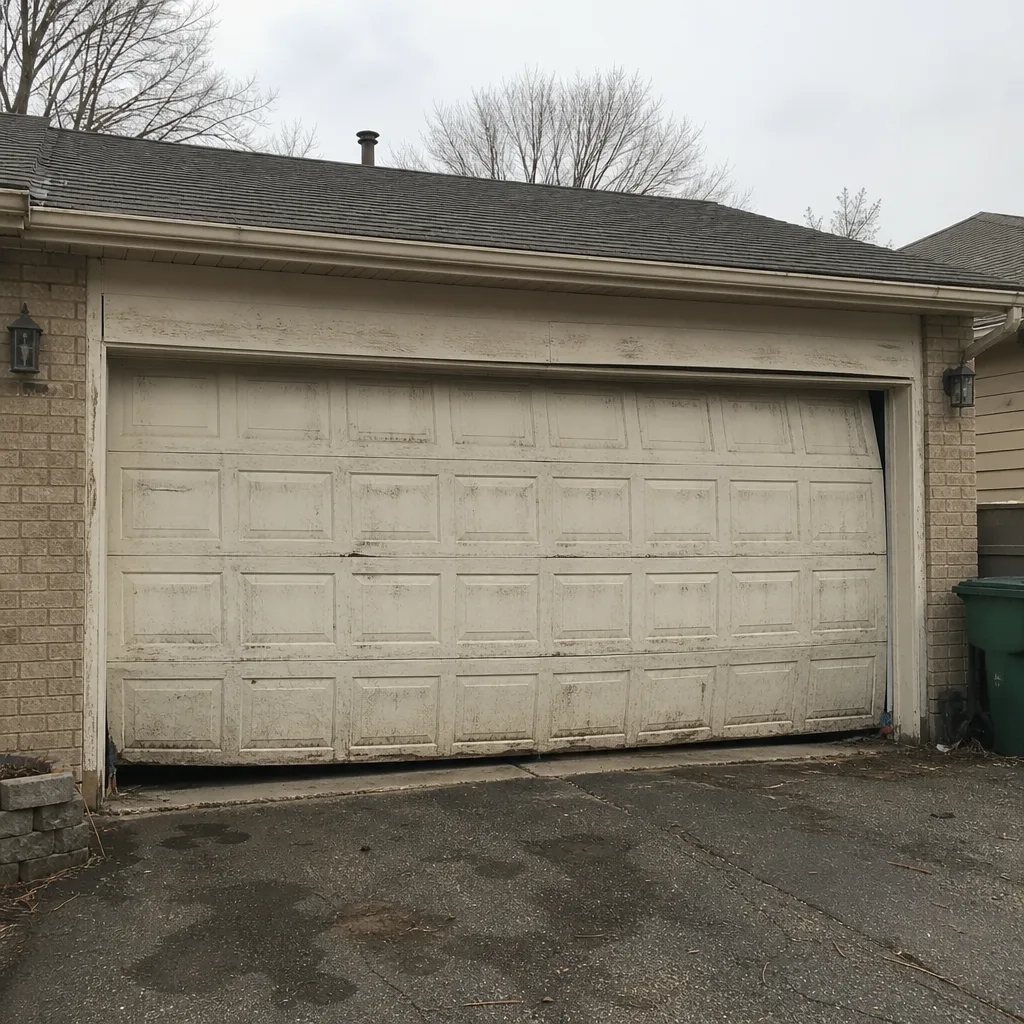
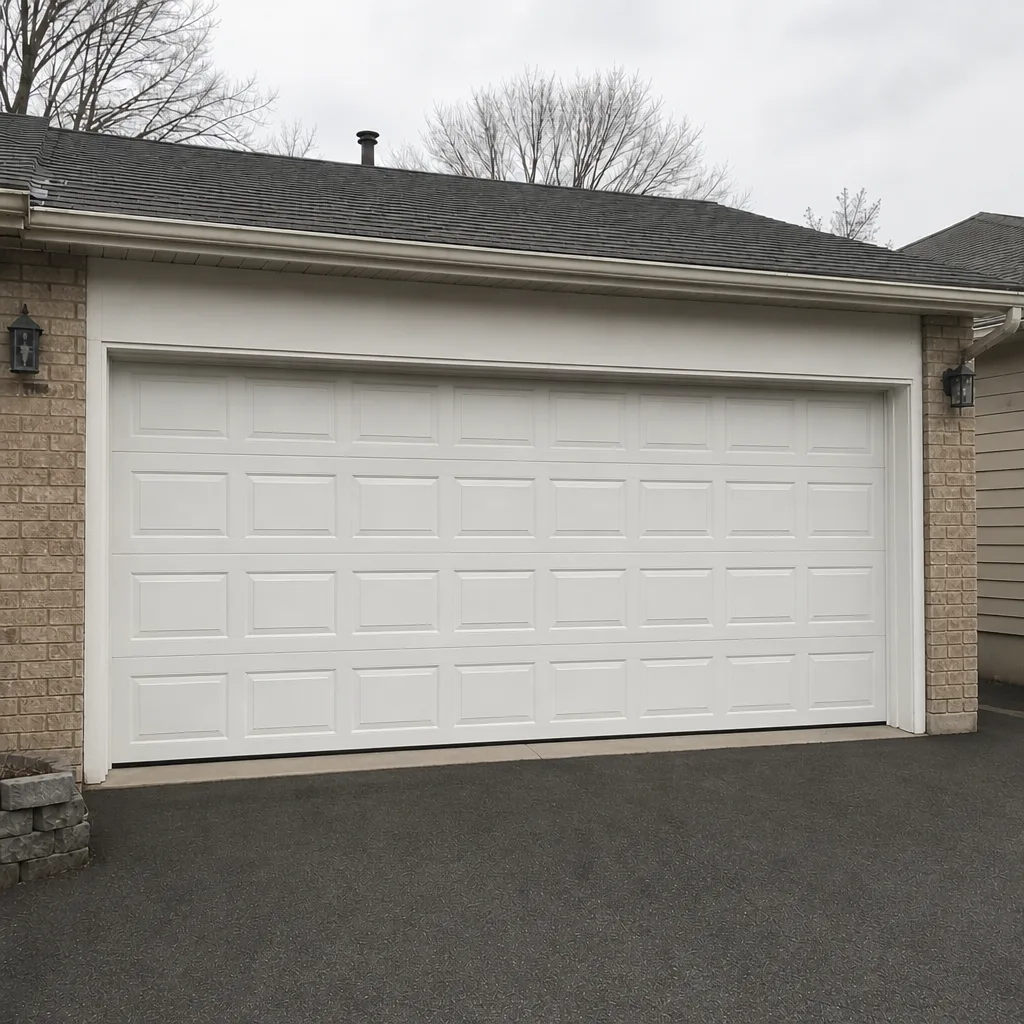
See the difference
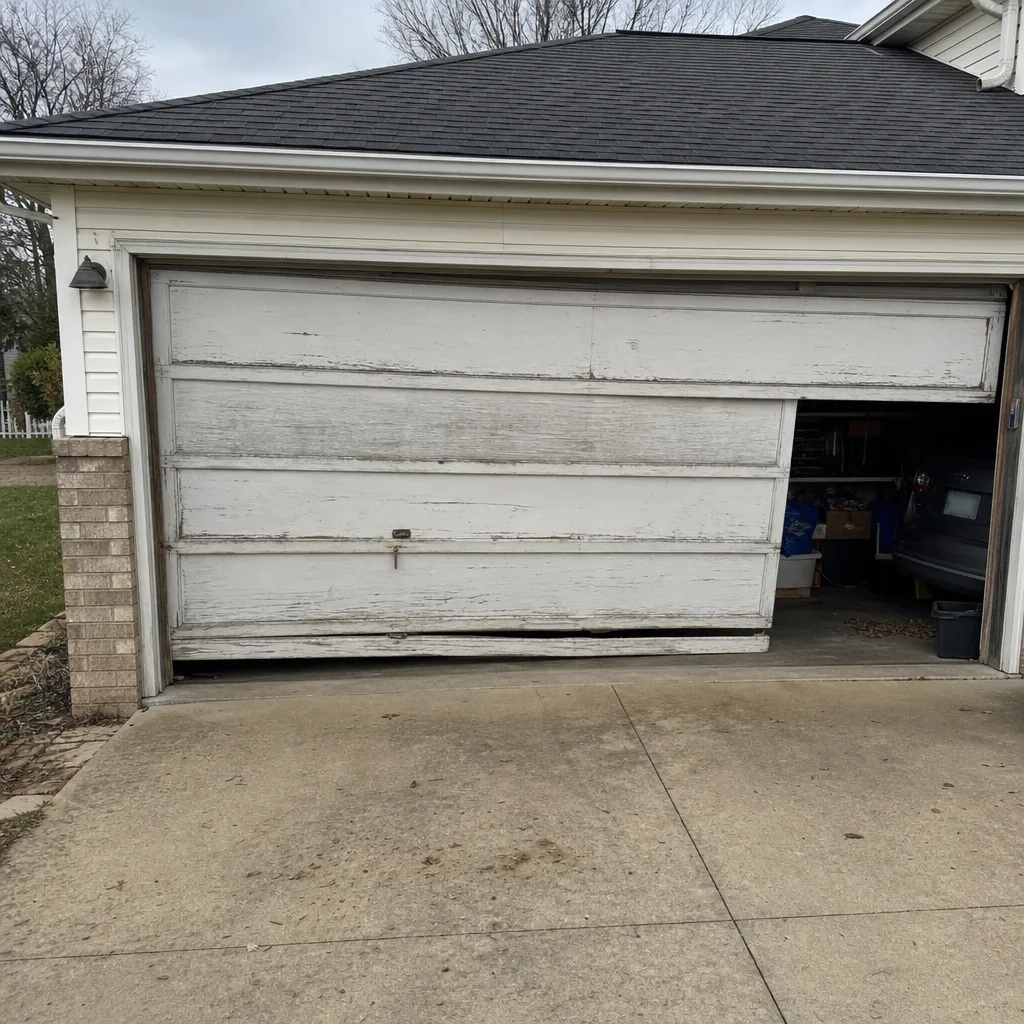 Before
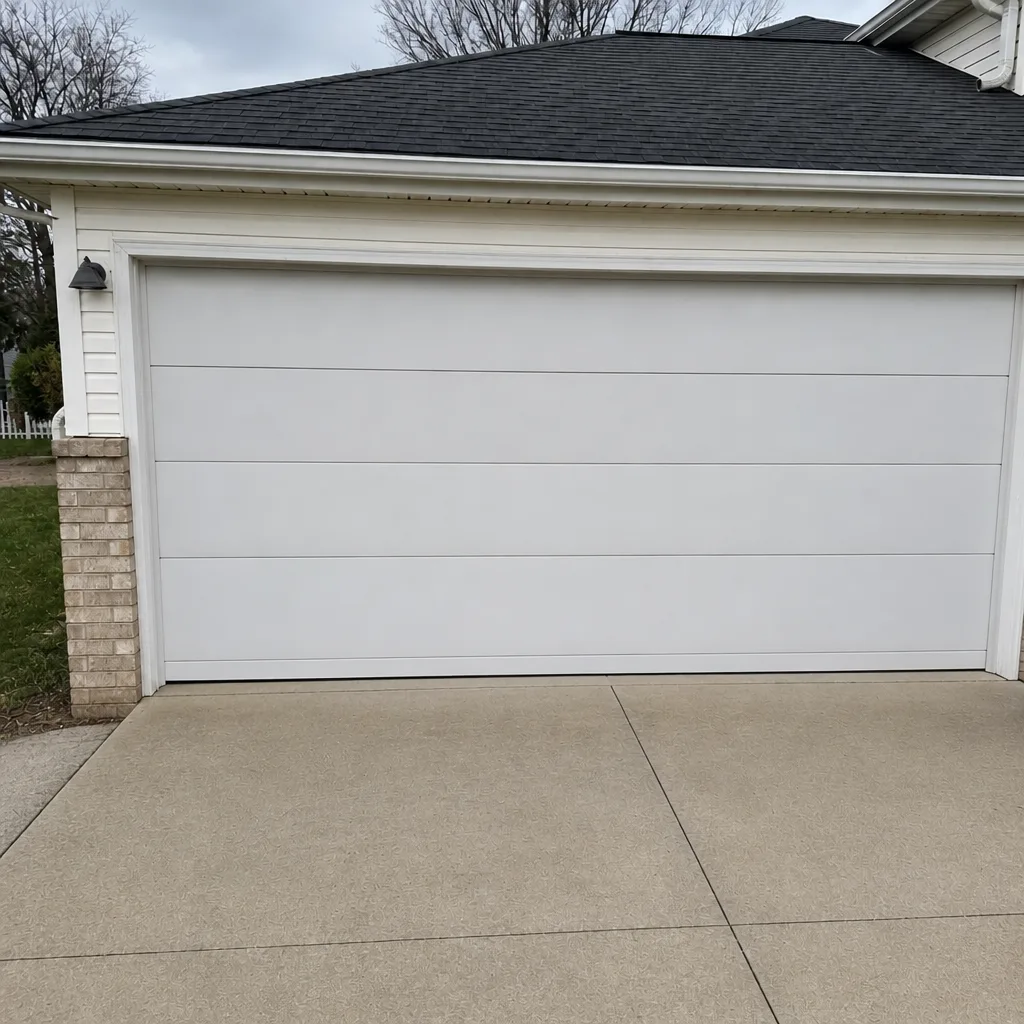 After
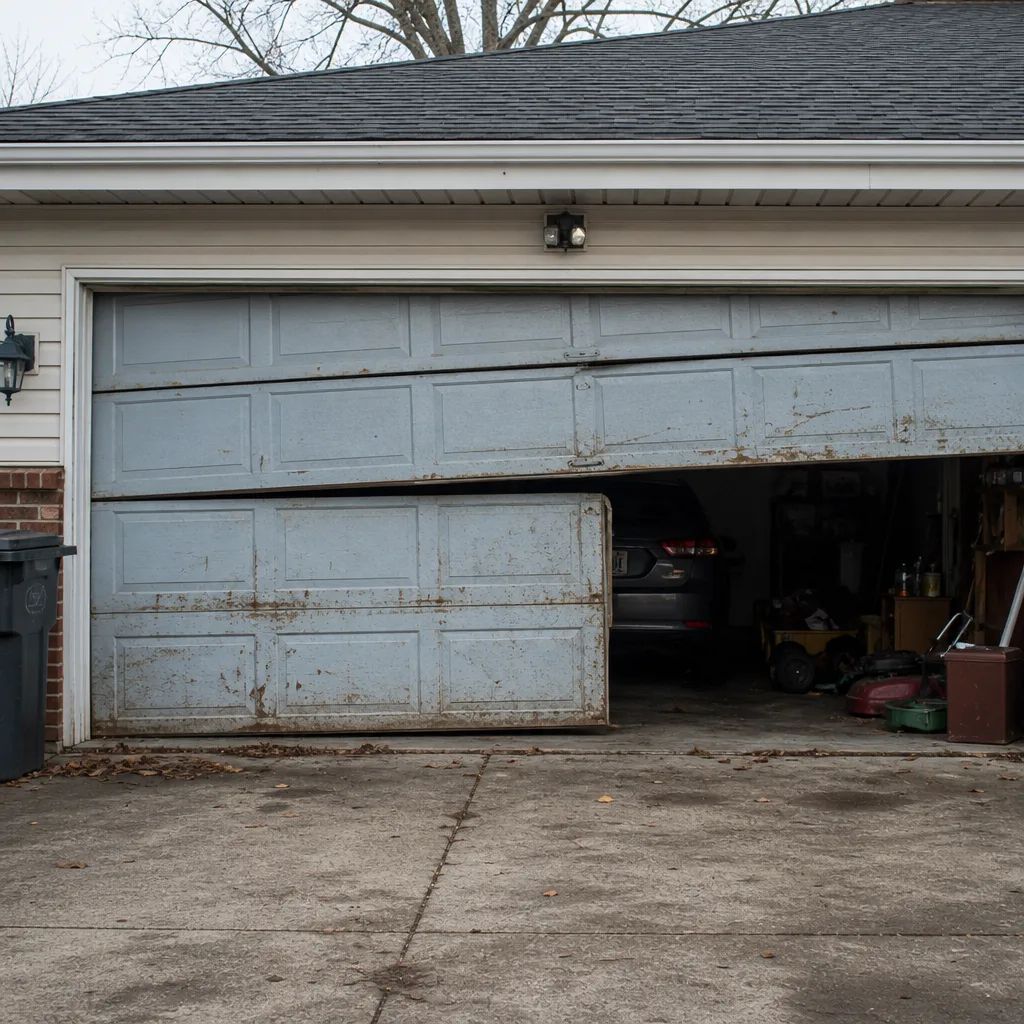 Before
 After
 Before
 After
When to Call a Professional
Most seasonal care is yours to handle: wiping the seal, tightening a hinge bolt, testing the safety reverse, cleaning the tracks. But some tasks belong to a trained technician. Call us if your torsion spring looks stretched or is losing tension, if your door is heavy or drops when you release it halfway, if the opener’s safety reverse fails, if a door sticks or sounds like it’s grinding, or if you spot cables that are frayed, worn, or visibly slack. Springs and cables are under dangerous tension, and there’s no safe way to adjust them by hand. Our technicians have up to 14 years of experience and treat spring work as a skill, not a quick swap. Maple Grove Garage Door Repair Co offers free estimates in Maple Grove – call (877) 711-1381 for a free estimate.
Frequently Asked Questions
Once a year is the standard, but because of our shoulder seasons, the smart timing is a full inspection in March after the thaw and a lighter check in October before the first frost. If your door is older, or if you’ve noticed it running heavy or loud, twice a year is worth it. Frequent freezes and thaws in Maple Grove add stress that a door in a warmer climate never sees.
Yes, the manual release is the right move – that’s what it’s there for. Turn off the opener at the wall control first, pull the release, and soften the ice with lukewarm water (not hot). Once the door moves freely by hand, reconnect the opener. Don’t force it; if it won’t move, call a professional.
A door that gets noticeably heavier as the weather cools usually means the torsion spring has lost some tension, and sometimes the rollers or hinges are binding. Spring tension is dangerous to adjust yourself. Have a technician check the balance and spring condition before winter. Call (877) 711-1381 for a free estimate.
It affects wood and some composite doors, yes. Wood absorbs moisture and can swell, and trapped moisture behind the paint causes blistering. On a steel or aluminum door, humidity is less of an issue except for condensation inside the panel. A dry, well-sealed bottom edge and a few touch-ups in June handle most of it.
No. The maintenance schedule is the same for any opener – batteries, safety reverse, photo-eye cleaning, and a check for smooth operation. The differences show up when something fails and parts need sourcing, which is why knowing the brand matters. We service Genie, Chamberlain, Craftsman, and LiftMaster units and can identify the model quickly, which shortens the diagnostic visit.
Cranking the opener against a door that’s frozen or out of balance. Customers describe the door being stuck and the opener “struggling” – usually it’s been struggling for a while. If your door starts sounding different after a cold snap, stop using the opener and have the door checked. Call (877) 711-1381 for a free estimate.
The Bottom Line
Your garage door’s hardest weeks are the shoulder seasons – March and November – not the dead of winter. April’s quiet spells are the time to catch the damage the thaw leaves behind; October is the time to prep for the freeze. Keep a simple paper trail of every seal, spring, and service call, and let that history do the work when you sell. Everything else you can handle yourself. Exceptions are the spring, the cables, and the opener’s electrical internals; those are for a trained technician. Our technicians have up to 14 years of experience. Call Maple Grove Garage Door Repair Co at (877) 711-1381 for a free estimate.
Written by the team at Maple Grove Garage Door Repair Co.