Last updated November 21, 2026
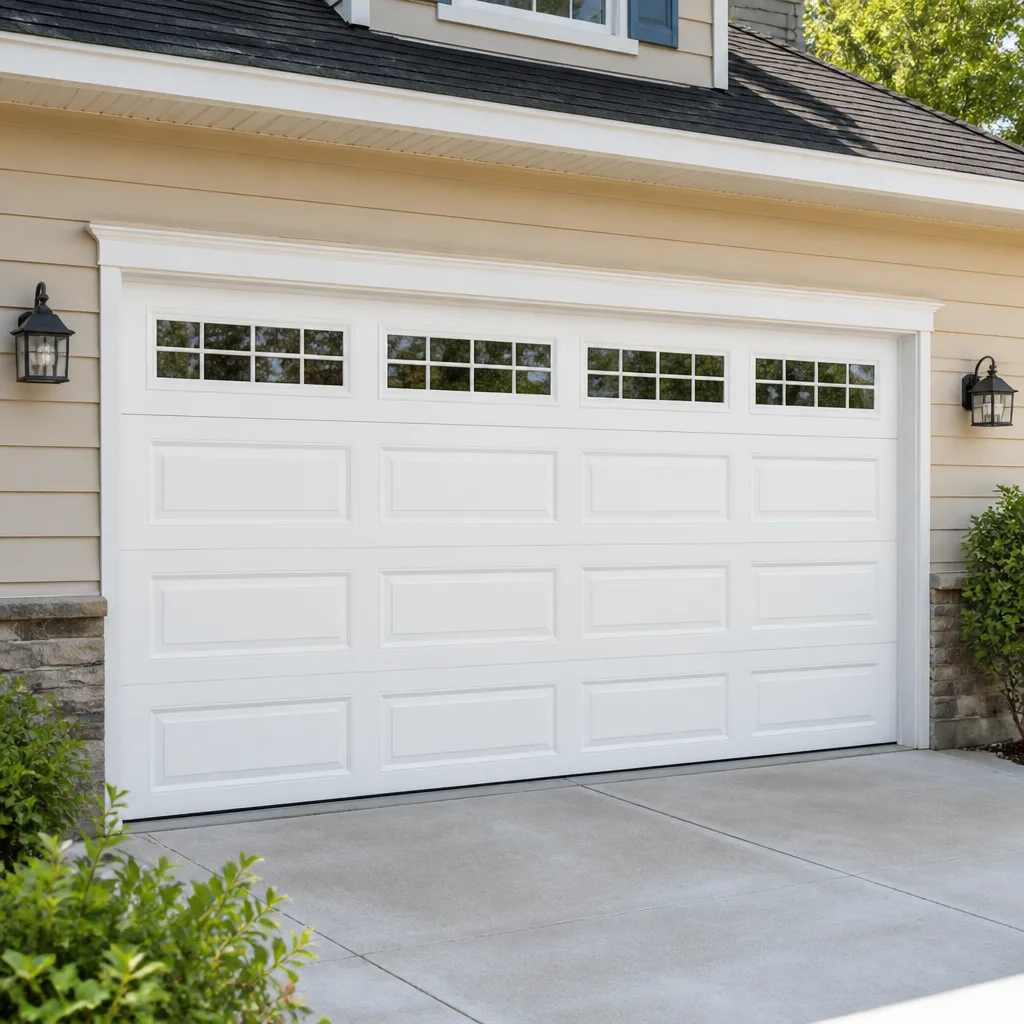 Raised-panel steel
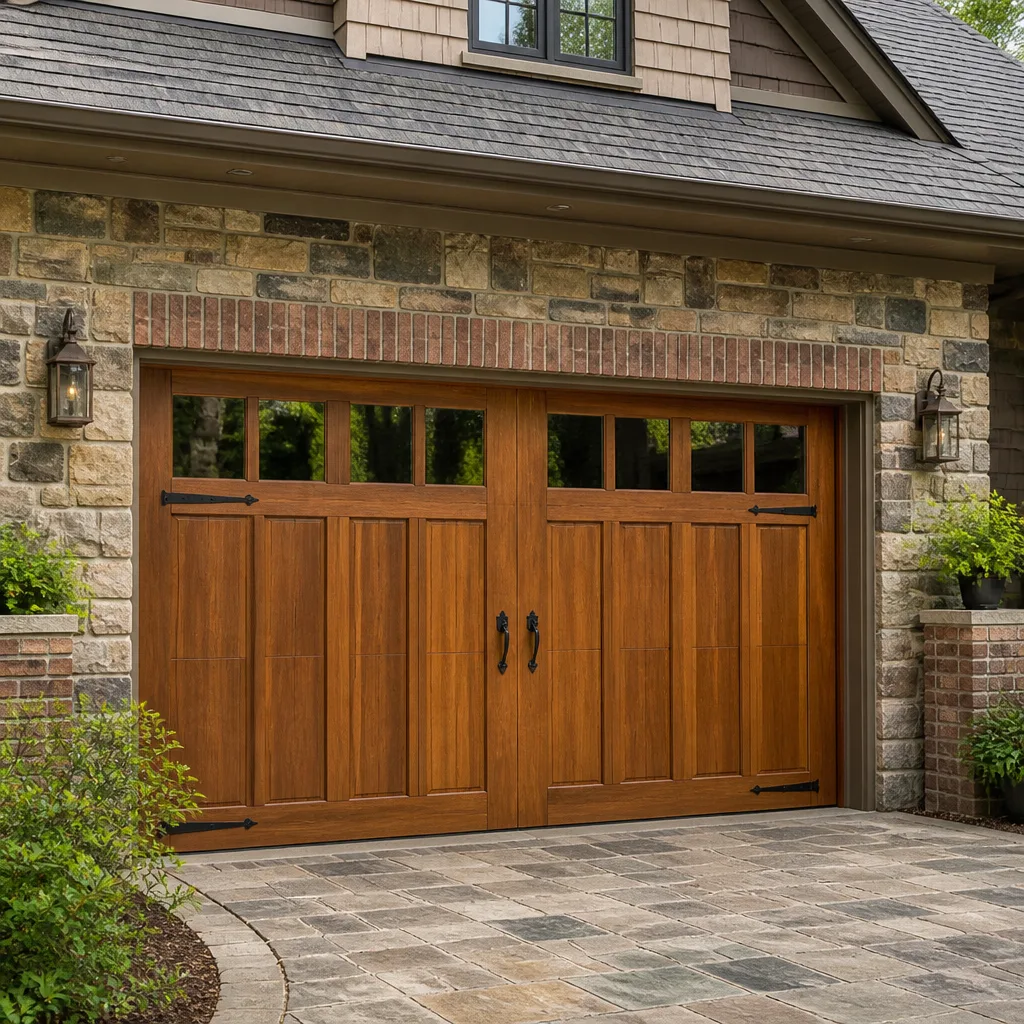 Carriage house
 Modern flush
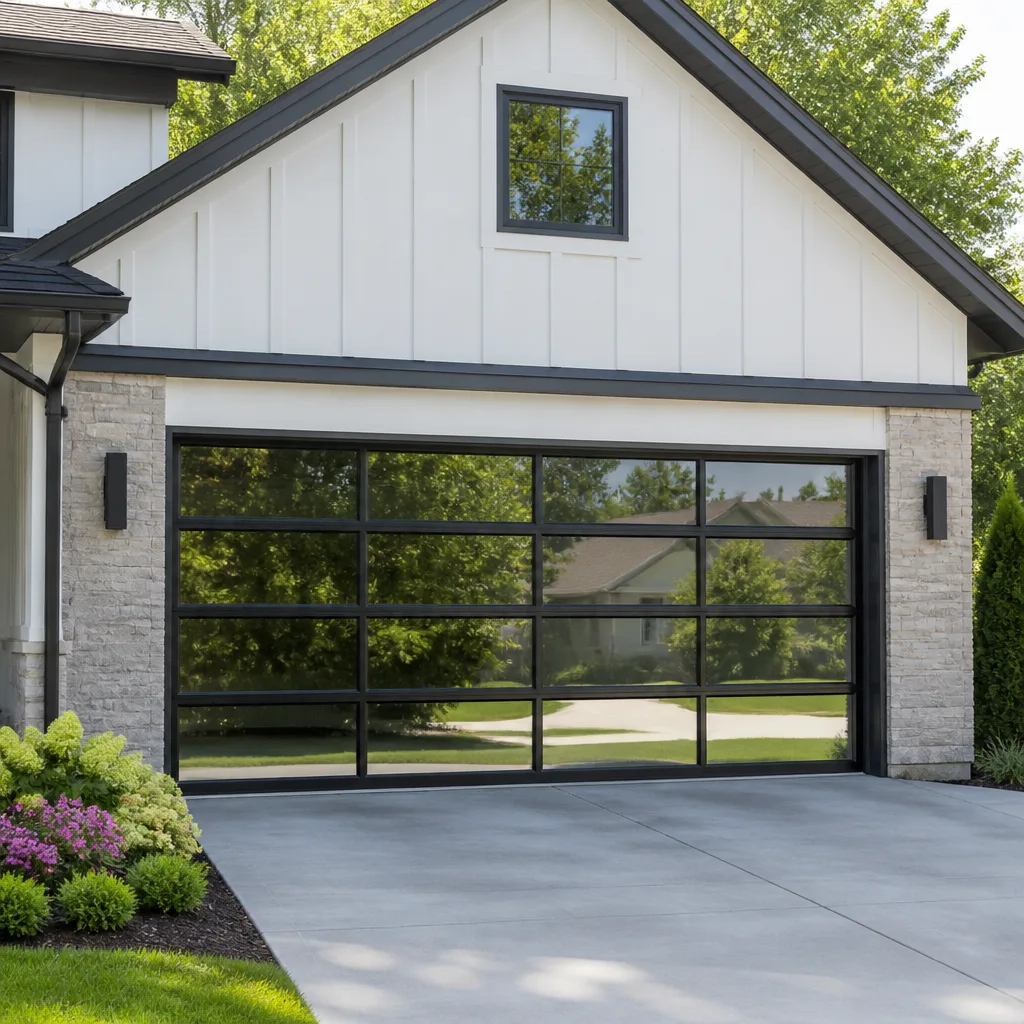 Full-view glass
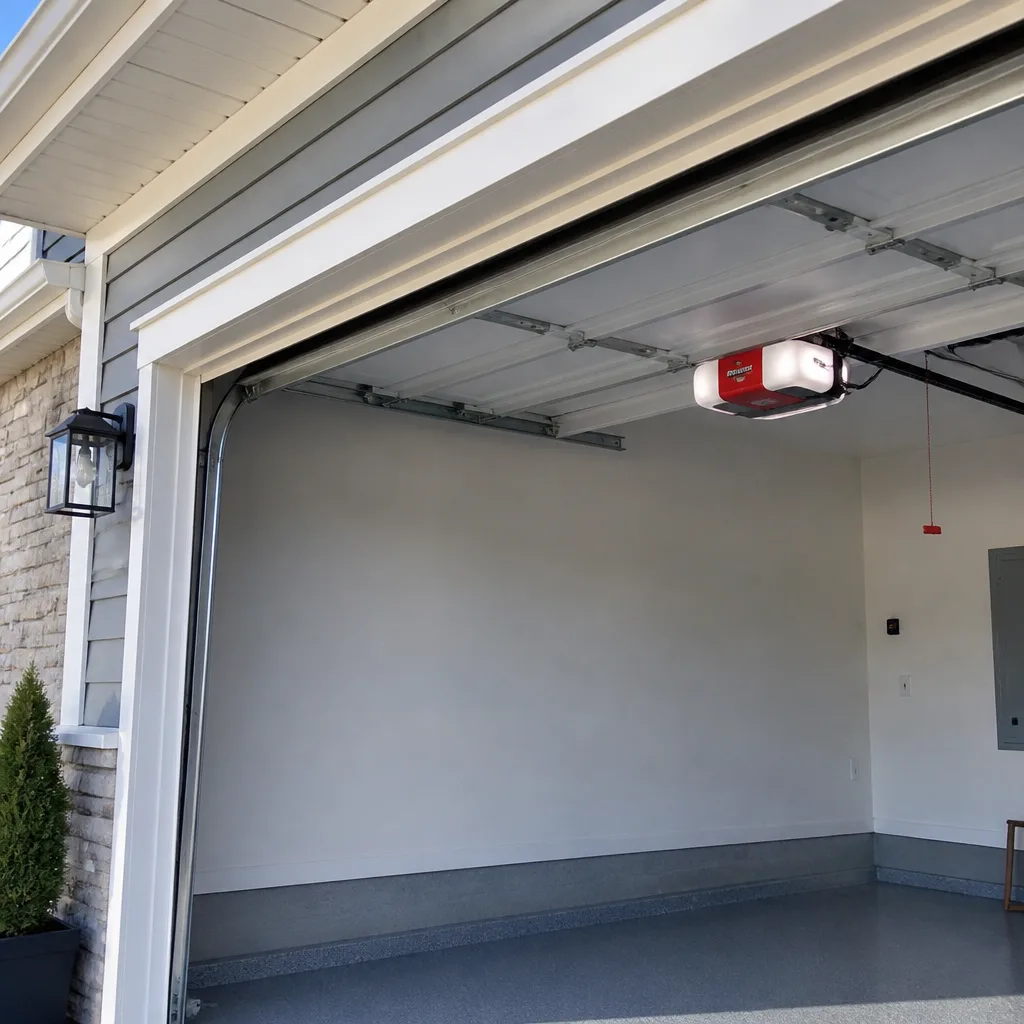 LiftMaster openers
 Chamberlain openers
Full 25-point door and opener safety check with every visit - springs, cables, rollers, tracks, and your LiftMaster or Chamberlain opener included
You get a price before we start. It does not change when the pro arrives.
Get your free estimateGarage Door Permits, Codes & Inspections in Maple Grove, MN: What You Need to Know
Most homeowners assume a building permit is something you only deal with during new construction or a major remodel. Garage doors feel like appliances: you replace one, the truck leaves, and life goes on. That assumption is where people get into trouble in Maple Grove. Whether you need a permit depends on what’s actually changing about that door and its opener, and the line between “repair” and “replacement” is narrower than most people expect. This guide walks through when a permit is required, how the Minnesota State Building Code applies, what an inspection actually looks like, why unpermitted work surfaces at resale, and how to decide whether to pull the permit yourself or let the contractor handle it. Read it before you sign anything.
Quick Answer
In Maple Grove, a full garage door replacement usually requires a permit, while routine repairs like spring replacement or opener repair typically do not. Whether your specific project needs one depends on the scope of the work and how your city’s building department classifies it, so confirm with them before work starts. A like-for-like swap may follow a simpler path than a change in door size, material, or opener configuration.
Styles & brands we work with
- Raised-panel steel
- Carriage house
- Modern flush
- Full-view glass
- LiftMaster openers
- Chamberlain openers
Table of Contents
- When is a garage door permit required in Maple Grove?
- How does the Minnesota State Building Code apply to garage doors?
- What does “like-for-like” replacement mean, and where does it get fuzzy?
- What does the inspection process actually involve?
- How does unpermitted work show up at resale?
- Should you pull the permit yourself or have the contractor do it?
- Do opener replacements have their own rules?
- What do Maple Grove seasons mean for inspection timing?
When is a garage door permit required in Maple Grove?
A permit is required when the work changes the structure or the safety systems of the opening, not when it restores an existing door to working condition. In plain terms: swapping a worn spring, replacing a broken cable, or repairing an opener is maintenance. Replacing the entire door assembly, resizing the opening, changing the door type, or reconfiguring the track and hardware is where permitting enters the conversation.
Here’s how we break it down for homeowners:
- Full door replacement: Usually requires a permit. The door is a structural and safety assembly, and the city wants to see it installed to code.
- Like-for-like swap of the same size and type: Often still permitted, but the paperwork can be simpler. Ask the city’s building department how they classify your specific replacement.
- Spring, cable, roller, or hinge repair: Typically does not require a permit because you aren’t altering the assembly.
- Panel replacement on a sectional door: Usually falls under repair rather than replacement, but confirm it with the city if you’re swapping multiple panels.
- Opener swap of the same type: Usually no permit, but a change in drive type or a new electrical circuit can trigger one.
- Resizing the opening or changing the door’s material: Almost always requires a permit and often an engineering review.
Maple Grove’s building department is the authority here, not a general rule of thumb. Call them with the specifics of your project before anyone measures. It takes ten minutes and saves weeks of headache. If you’re also weighing repair versus replacement, our guide to garage door repair walks through which path makes sense for a given failure.
How does the Minnesota State Building Code apply to garage doors?
The Minnesota State Building Code governs how garage doors must be installed, anchored, and protected, and the local permit process is how compliance gets verified. The code addresses the structural attachment of the door and track to the framing, the safety features of the opener system, and the weather sealing requirements that keep Minnesota garages functional through hard winters.
In practical terms, the code covers:
- Structural attachment: How the door’s track and header are anchored to the framing, and whether the framing can support the door’s weight.
- Safety reversal: Openers must have functioning safety reversal and photo-eye protection. This is a common inspection point.
- Weather sealing: Thresholds, bottom seals, and perimeter weatherstripping need to perform in a climate that regularly drops well below freezing.
- Wind and snow load considerations: For larger or more exposed openings, the assembly needs to handle loads that mild-climate installs don’t face.
What the code does not do is tell you which brand to buy. Whether you’re installing a Clopay or a LiftMaster-equipped opener, the code cares about performance, not the nameplate. Where brand matters is parts availability and getting the install right the first time, which is why we work with the brands most Maple Grove homes already have on them.
If the door is failing but you’re not sure the whole assembly needs replacing, a conversation with a technician before you apply for a permit can save you the cost of pulling one for work you don’t actually need. That’s true whether it’s a spring, an opener, or a full door.
What does “like-for-like” replacement mean, and where does it get fuzzy?
“Like-for-like” means you’re replacing a door with one of the same size, type, and general configuration, so the structural characteristics of the opening don’t change. In permit terms, a like-for-like swap is the easiest case: the city can verify the installation without worrying that you’ve altered the building’s envelope or the door’s load path.
Modern insulated doors are where this definition gets slippery. A door purchased twenty years ago may have had a thinner panel and lighter weight than the insulated replacement going in now. The size hasn’t changed and the opening is the same, so it looks like a like-for-like swap. But the door weighs more, the spring needs to be rated for that weight, and the track and header now carry a different load. Inspectors treat that as a replacement, not a repair.
What to watch:
- Insulation upgrades: A move from a non-insulated door to an insulated model increases weight and spring rating requirements.
- Window changes: Adding windows or changing window configurations alters the door’s structural profile.
- Material swaps: Steel to wood, or steel to aluminum, is a change, not a like-for-like.
- Track and hardware: Even if the door panel is the same, a changed track configuration is a structural change.
If your replacement falls outside the like-for-like definition, budget for a real permit and, potentially, the inspection steps described below. Our guide to garage door opener repair covers the opener side of that equation, which is often where people forget the rules apply.
What does the inspection process actually involve?
The inspection is a physical verification that the installed door meets the code requirements it was permitted against. An inspector visually checks the assembly and confirms the safety features work. It usually doesn’t involve opening walls or checking anything hidden, so a clean install with proper documentation passes without drama.
Here’s the typical sequence:
- Permit application: You or your contractor submits the application, usually with the door specs and a site plan showing the opening.
- Review and issuance: The city reviews the application and issues the permit. This step takes a few days for a straightforward like-for-like swap.
- Installation: The door is installed per the permit. The installer keeps the permit on site.
- Rough-in inspection (if applicable): For a change in door size or a new opening, an inspector may verify the framing before the door goes up.
- Final inspection: The inspector checks the installation, tests the safety reversal and photo-eye protection on the opener, and confirms the weather sealing.
- Sign-off: The permit is closed. Keep the paperwork; it becomes part of your home’s record.
In our experience, most garage door final inspections are short. The failures we hear about tend to cluster around two things: the safety reversal on an older opener that wasn’t adjusted after the new door went in, and missing or incorrect weatherstripping. Both are fixable on a return visit, but better to get them right the first time.
How does unpermitted work show up at resale?
Unpermitted garage door work surfaces at resale in two ways: as a paperwork gap and as a physical flag during the buyer’s home inspection. Neither is catastrophic on its own, but together they can turn a smooth closing into a negotiation, and they can complicate insurance claims on the door long before you ever list the house.
On the paperwork side, a buyer’s agent will pull the permit history for the property. A door that’s clearly newer than the last recorded permit creates a question. Sellers then have to either produce a permit that doesn’t exist, retroactively permit the work (which may require opening up the assembly for inspection), or negotiate a credit to the buyer.
On the inspection side, an inspector looks at the door’s attachment, safety features, and overall install quality. A door that was installed without permit oversight often shows the signs: screws into drywall instead of blocking, missing lag bolts, an opener that wasn’t re-rigged after the door swap, or weatherstripping that obviously wasn’t replaced. None of these are deal-breakers by themselves, but they add up to a repair list that eats into the seller’s margin.
If you’re considering selling in the next few years, the cheapest thing you can do is keep the permit paperwork from the day the door goes in. If you’re buying a Maple Grove home with a recently replaced garage door, ask for that paperwork as part of the transaction, along with the opener’s documentation.
Should you pull the permit yourself or have the contractor do it?
For most homeowners, letting the contractor pull the permit creates less liability, because the permit holder is the party responsible for the code-compliant installation. When you pull it yourself, you’re signing the document that says you’re the responsible party, which can create complications if something goes wrong or an inspection fails.
Who pulls the permit also matters for warranty and insurance. If a contractor installs a door under their own permit, they’re on the record as the installer and the warranty chain is cleaner. If you pulled the permit and hired someone for the labor, you’re the one on the hook when the inspection comes back.
Here’s how the two paths compare:
- Contractor pulls the permit: The contractor is the applicant, they carry the responsibility for code compliance, and the inspection happens under their name. Cleaner for you, clearer for the warranty.
- You pull the permit: You’re the applicant. If an inspection fails, you’re responsible for the correction, and your insurance carrier may treat the install as a homeowner project rather than a licensed installation.
Some homeowners pull their own permit because they’re having a friend do the install, or because they want to manage the timeline. That’s fine if you understand what you’re signing. If you’re hiring a contractor, ask directly who pulls the permit before the estimate is signed.
Do opener replacements have their own rules?
An opener swap of the same type usually doesn’t require its own permit, but it can if the work involves a new electrical circuit, a different drive type, or a change that affects the door’s safety systems. That last point catches people off guard: replacing an opener on a door that has just been replaced usually requires rerigging the safety reversal and photo-eye setup as part of the install.
Modern openers from LiftMaster, Chamberlain, and Genie include safety reversal as a standard feature, and the installation has to be wired to the code. That’s not something you can skip because the opener was a simple swap. The safety features have to work, and an inspector will check them if the door assembly has a permit open on it.
What we tell Maple Grove homeowners: if you’re replacing the opener, plan for the safety system test regardless of whether a permit is needed. If you’re also replacing the door, bundle the two in the same conversation so the permit, the install, and the inspection all happen in the right order. That’s also why our guide to garage door spring repair separates spring work from the rest: springs are the safety-critical part of the door, and they behave differently from opener swaps in a code sense.
What do Maple Grove seasons mean for inspection timing?
Garage door installs and inspections slow down in the deep winter, not because the city stops them, but because the work itself is harder and the door’s weather sealing matters more than at any other time of year. Maple Grove sees enough freeze-thaw cycling that a new door installed without proper sealing will show symptoms by the next spring.
What to plan for:
- Late fall and early spring: The best windows for installs, because the door can be sealed properly and the inspection can happen before the extremes.
- Mid-winter: Installs happen, but they take longer and the inspection may need to be rescheduled around weather.
- Summer: Popular for scheduled replacements, but schedule early. The inspection calendar gets busy.
- Any time: A failing door can’t wait, which is why our garage door repair service exists for the cases where the door has to work now.
If your door is failing in the middle of January and you need it working before you can think about a permit, call first. The permit process can follow once the door is safe. The door won’t wait for paperwork.
Common Mistakes to Avoid
- Assuming “replacement” means “new construction only.” A full door swap in Maple Grove is a replacement project in the city’s eyes, and skipping the permit can leave you with an unpermitted assembly at resale.
- Treating an insulated upgrade as a like-for-like swap. Heavier doors need spring ratings and hardware to match, and inspectors treat the weight change as a structural change, not a cosmetic one.
- Replacing the door without checking the opener’s safety reversal. An older opener that wasn’t rigged for the new door will fail the final inspection every time.
- Pulling the permit yourself to save time, then hiring the labor. You’re the responsible party on the paperwork, and that changes how inspections and warranties work.
- Skipping the permit because the door is inside the garage and “nobody will see it.” A buyer’s inspector sees exactly what the last inspector would have seen, and the permit history is a public record.
- Assuming a repair depends on a permit. Spring, cable, roller, and hinge repairs usually don’t need one, and paying for a permit for routine repair work is money left on the table.
- Ignoring the weather sealing on a winter install. In Maple Grove, a door installed without proper thresholds and seals will show water intrusion by the first thaw.
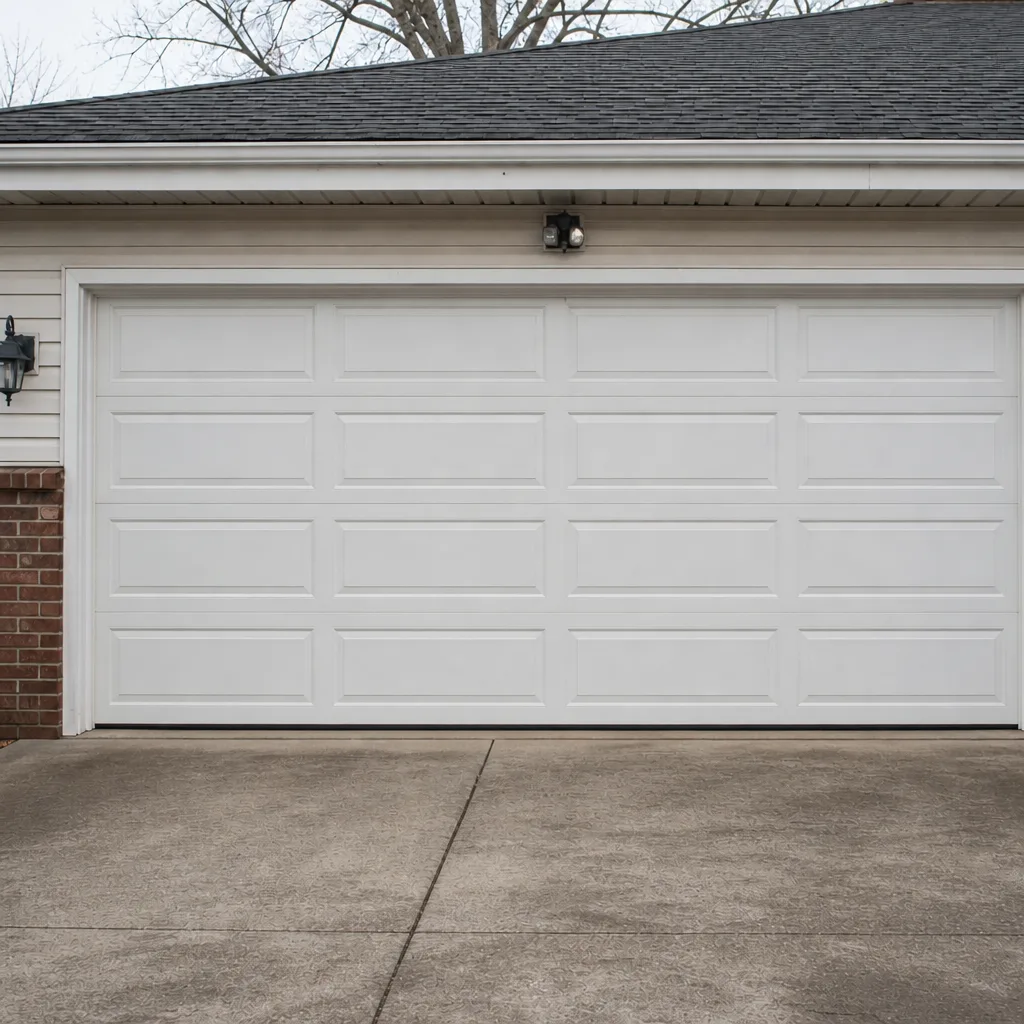
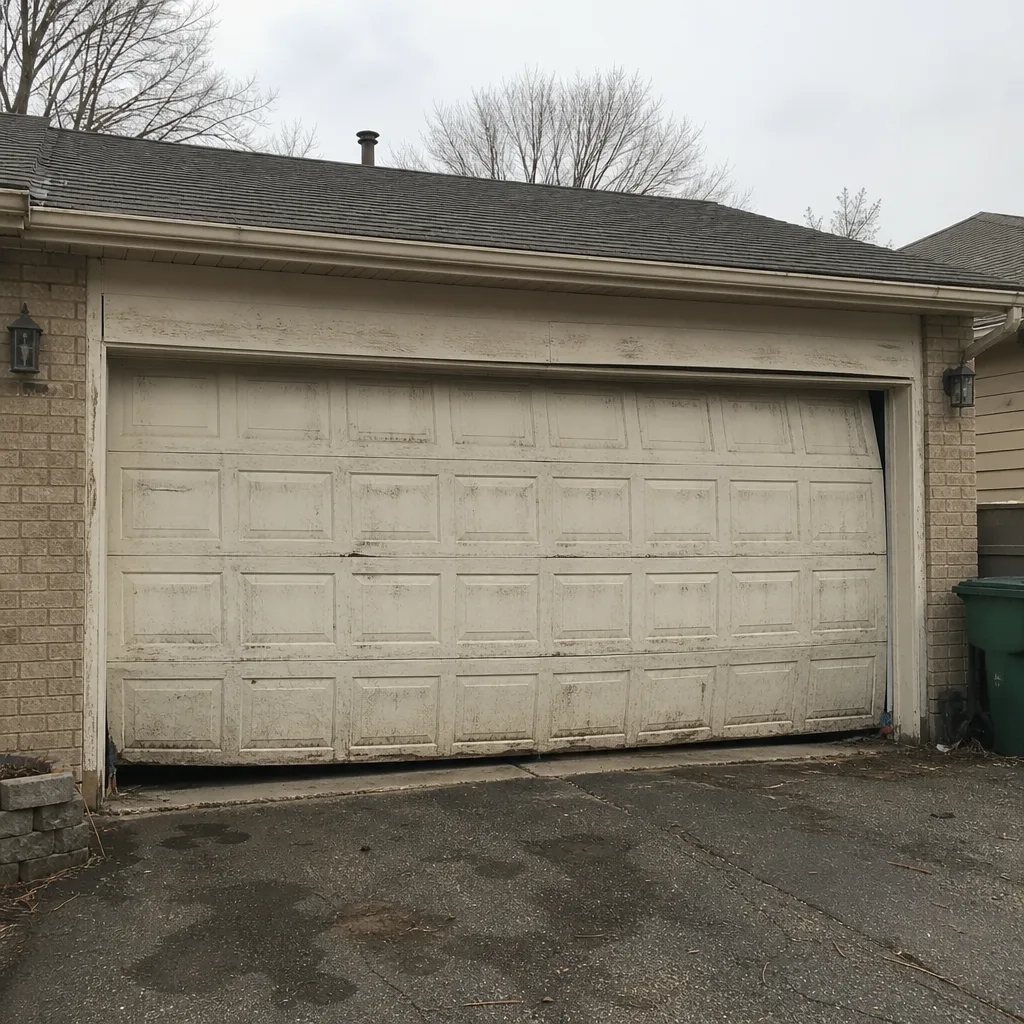
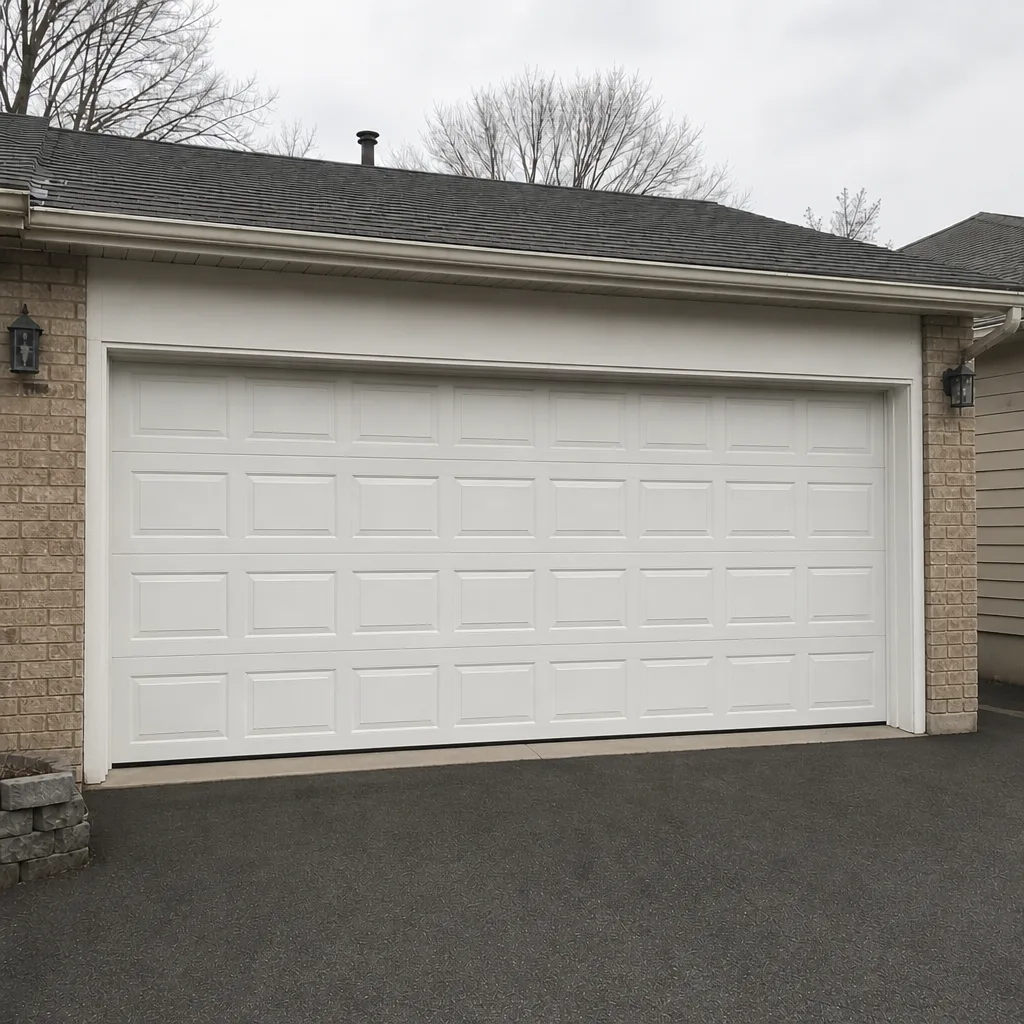
See the difference
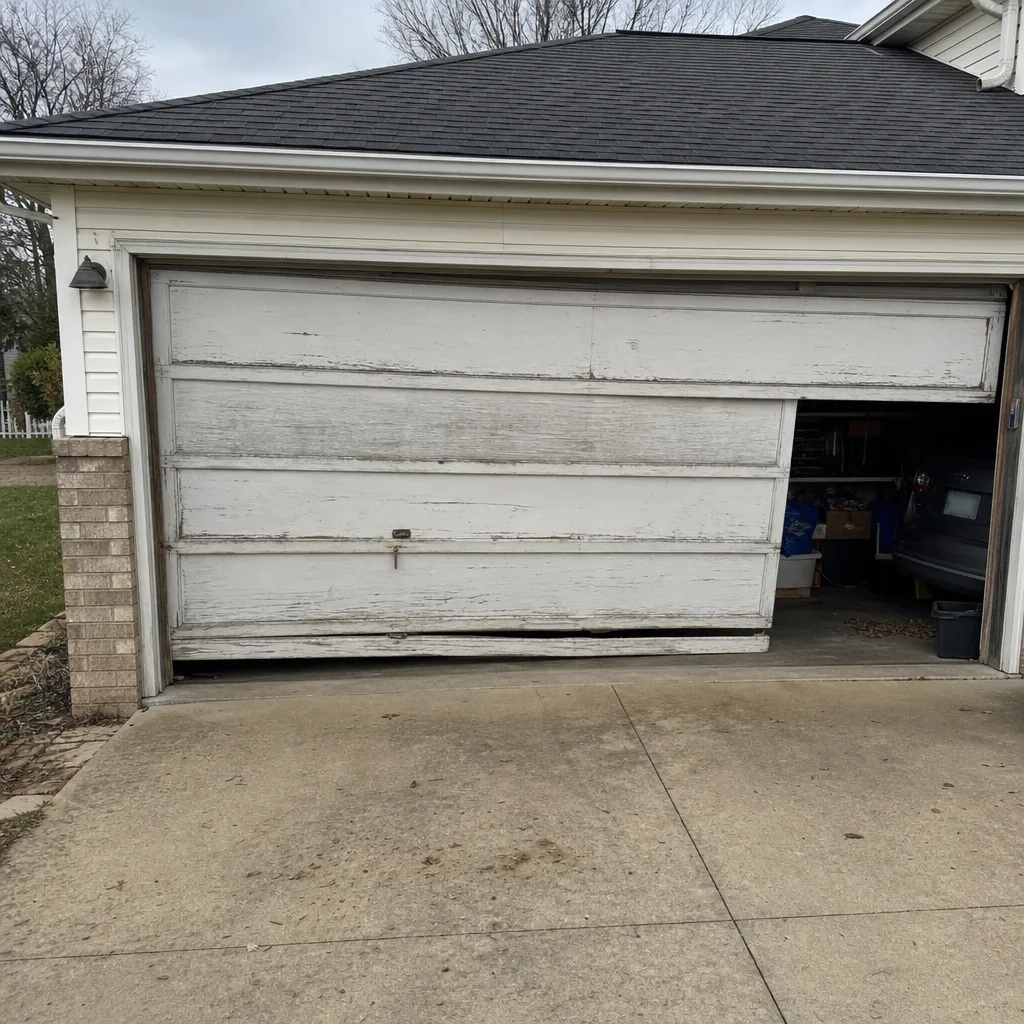 Before
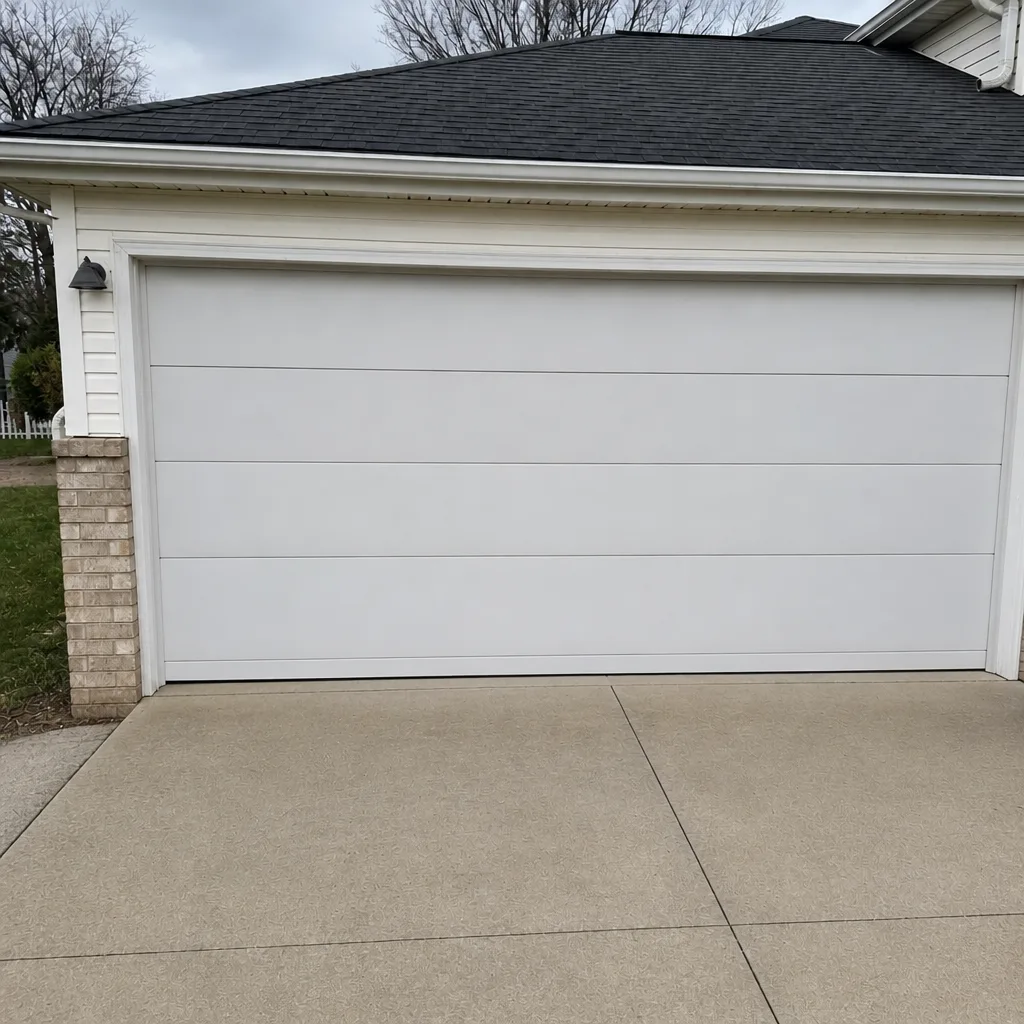 After
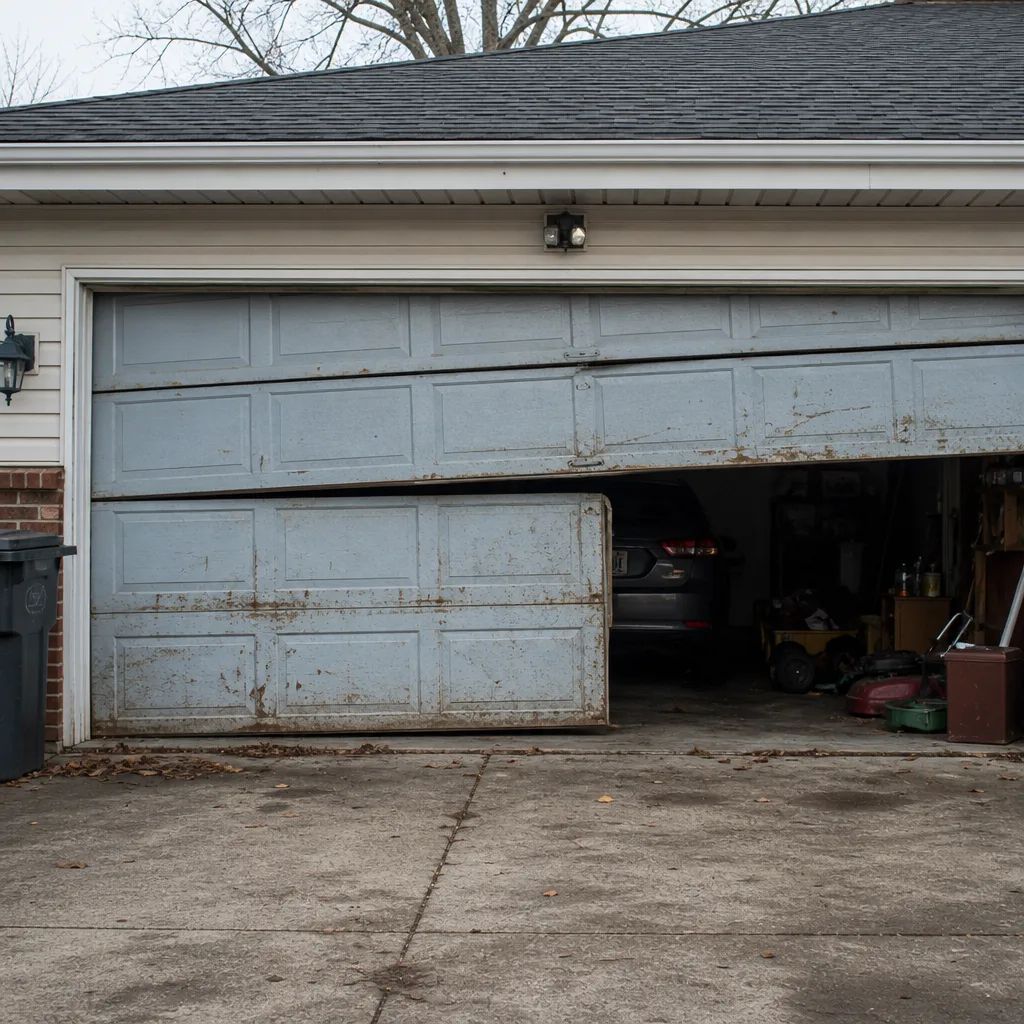 Before
 After
 Before
 After
When to Call a Professional
Call when the door is stuck, when a spring has broken, when the opener is failing, or when you’re planning a replacement and want someone who knows how the permit process works in Maple Grove. The dangerous jobs, springs and cables, are not jobs to attempt yourself: the tension on those components is enough to cause serious injury, and a single mistake can release it in an instant. A trained technician can assess whether you’re looking at a repair that doesn’t need a permit or a replacement that does, and they can walk you through the difference. We’ve seen plenty of Maple Grove projects where the homeowner was about to overpermit a repair or underpermit a replacement, and a quick call sorted it out. Maple Grove Garage Door Repair Co offers free estimates in Maple Grove. Call (877) 711-1381 and we’ll help you sort out what the project actually needs.
Frequently Asked Questions
Usually yes. A full garage door replacement in Maple Grove typically requires a permit because it’s a structural and safety assembly. A simple repair like a spring swap or opener repair generally does not. Confirm your specific project with the city’s building department before work begins.
You can, but it creates more liability. When you’re the permit holder, you’re the party responsible for code compliance and for correcting anything that fails inspection. Letting the contractor pull the permit is usually cleaner for the warranty and for insurance purposes. Call (877) 711-1381 for a free estimate and we’ll explain who pulls what.
It often does, even though the paperwork is simpler. A like-for-like swap is one where the size, type, and general configuration of the door don’t change. If you’re upgrading to an insulated door, adding windows, or changing the material, that’s not like-for-like, and the permit process is the standard replacement one.
It shows up in two places: a buyer’s permit history search and a home inspector’s survey of the door. An unpermitted install can cost the seller a credit at closing, or require retroactive permitting that involves opening up the assembly. Keeping the permit paperwork from day one is the cheapest way to avoid the problem.
Usually not if the swap is the same type and there’s no new electrical circuit. But if you’re replacing the door at the same time, or if the new opener involves a change in drive type, the safety reversal and photo-eye test becomes part of the final inspection. LiftMaster, Chamberlain, and Genie openers all need that system working regardless of the permit question.
The inspector verifies the structural attachment, tests the safety reversal and photo-eye protection, and confirms the weather sealing. In our experience, most final inspections pass quickly, and the failures cluster around two issues: an older opener that wasn’t adjusted after the new door went in, and weatherstripping that wasn’t replaced.
Yes. Winter installs happen, but they take longer and the inspection may need to be rescheduled around weather. Call (877) 711-1381 for a free estimate and we’ll work with you on the timing.
The Bottom Line
Permits aren’t just for new construction in Maple Grove. A full door replacement usually needs one, an insulated upgrade counts as a replacement rather than a like-for-like swap, and the safety systems have to be working regardless. Pulling the permit yourself is legal, but it shifts the responsibility onto you; letting the contractor pull it keeps the warranty and insurance chain cleaner. Keep your paperwork. Call the city’s building department with the specifics of your project before anyone picks up a tool. And when the job involves springs, cables, or the door assembly itself, that’s a job for a trained technician. If you want someone to walk through the scope before you commit, we’re one call away. Reach Maple Grove Garage Door Repair Co at (877) 711-1381 for a free estimate.
Written by the team at Maple Grove Garage Door Repair Co.