Last updated November 21, 2026
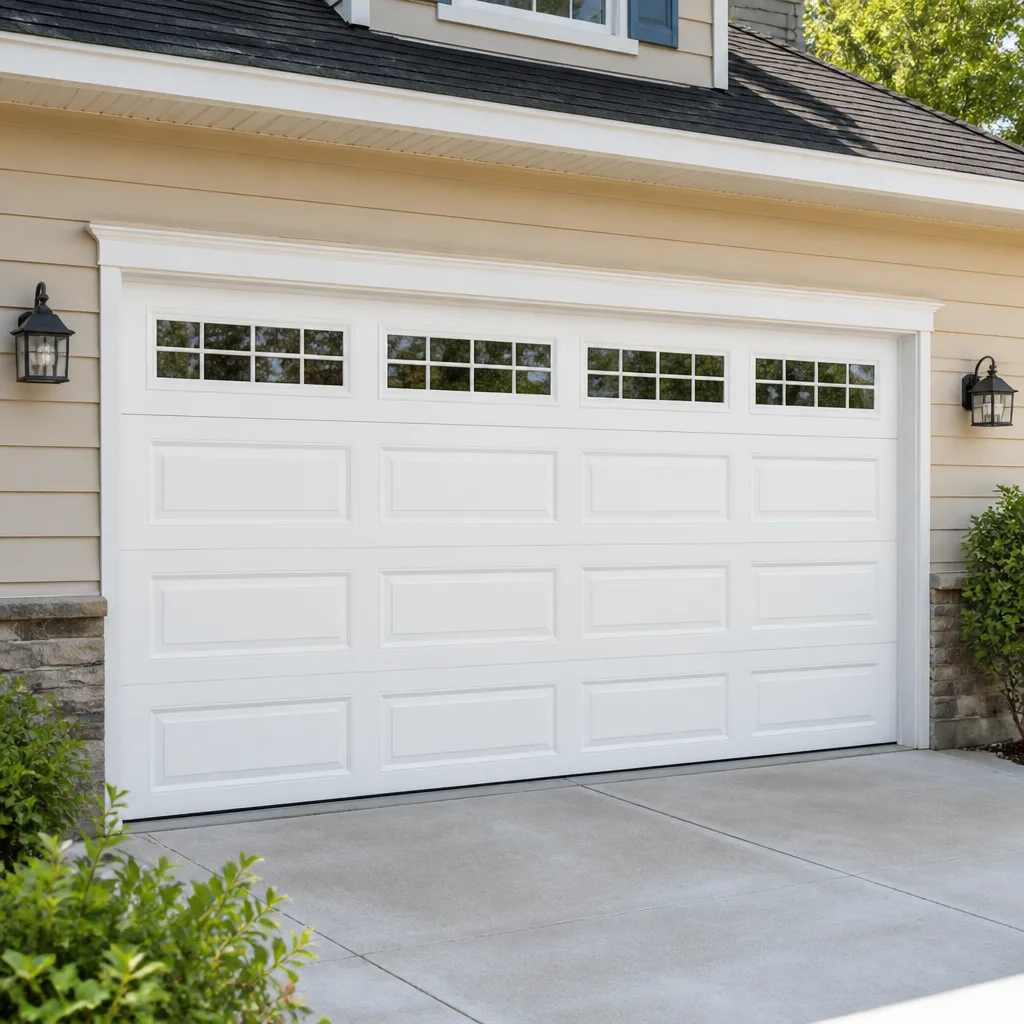 Raised-panel steel
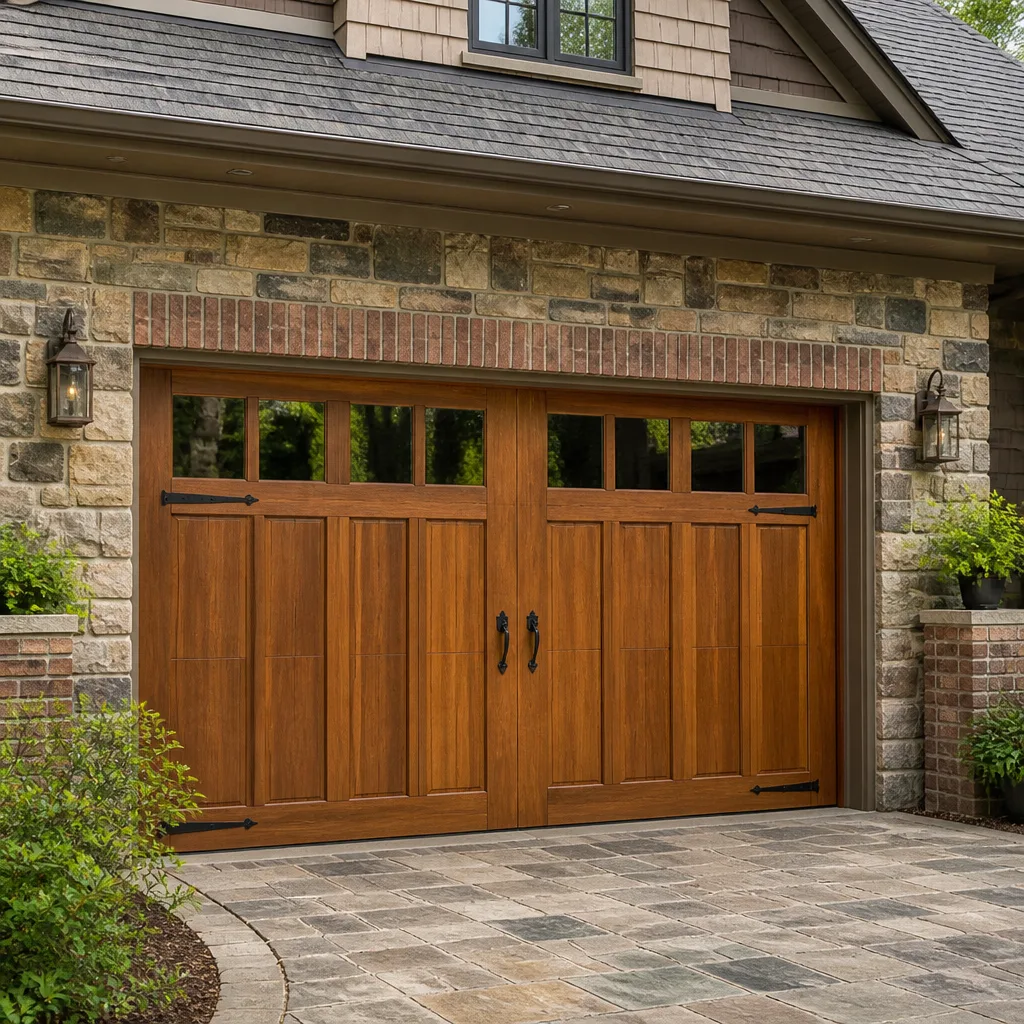 Carriage house
 Modern flush
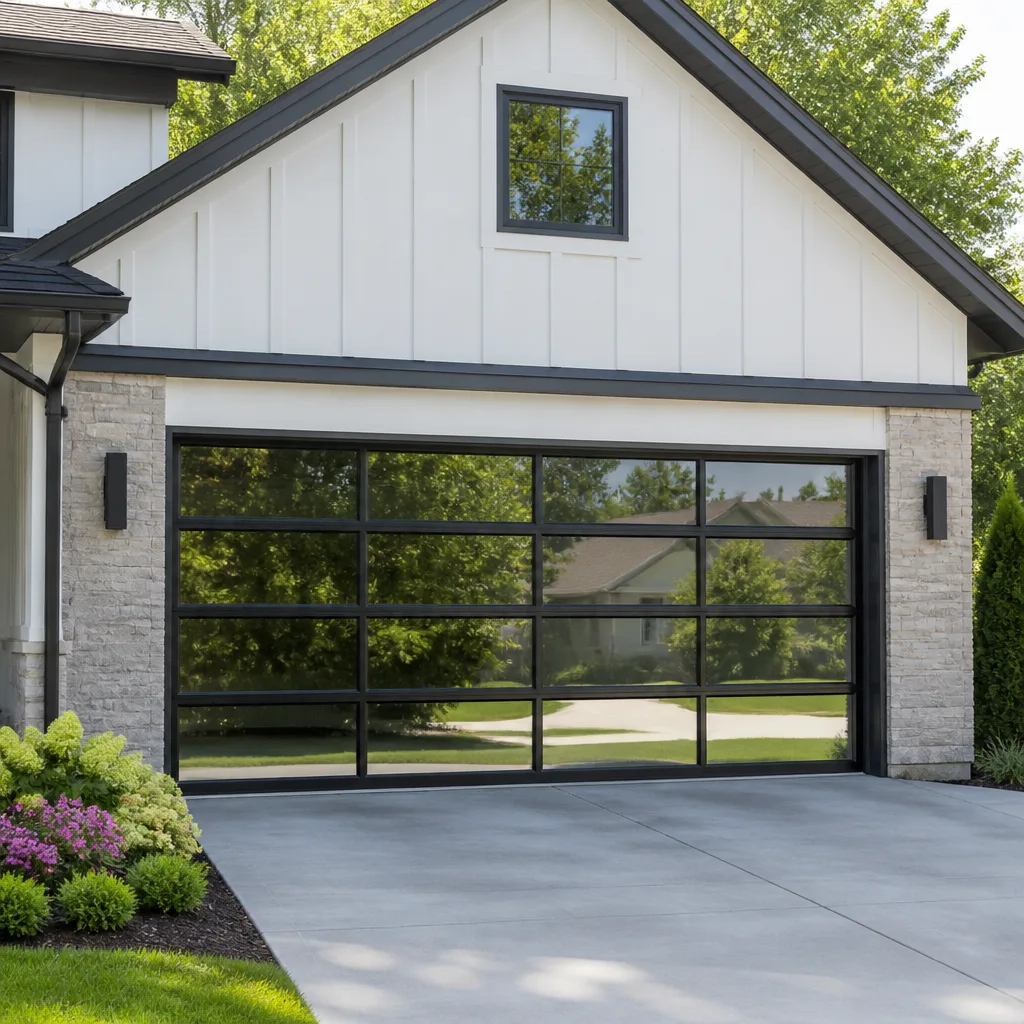 Full-view glass
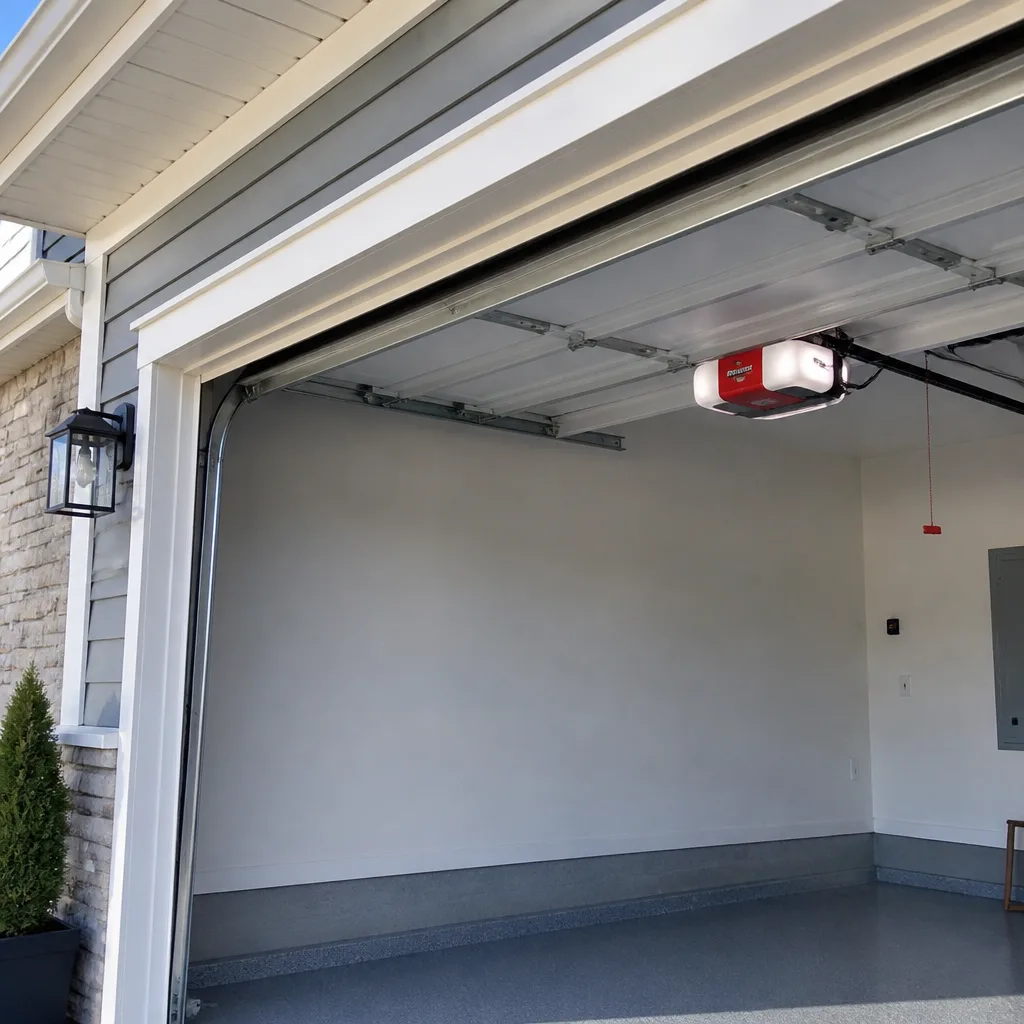 LiftMaster openers
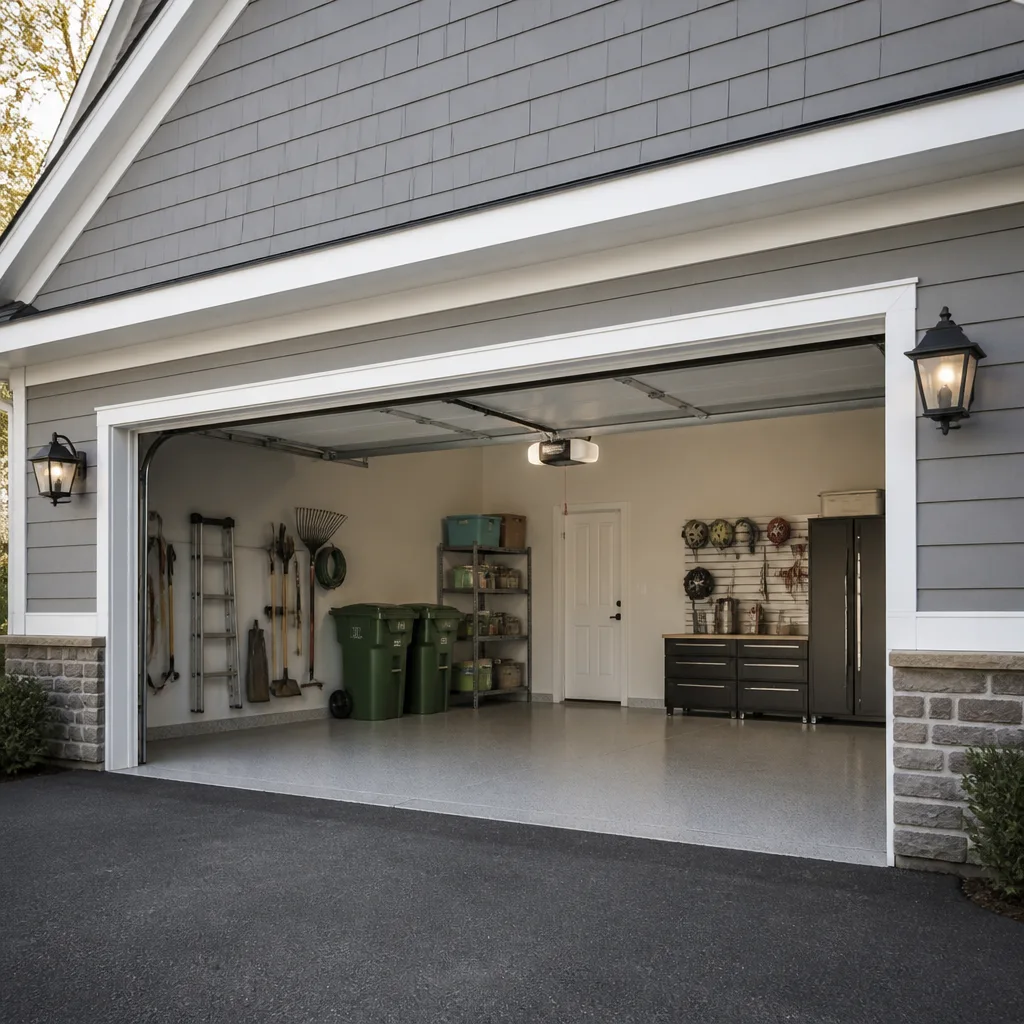 Chamberlain openers
Full 25-point door and opener safety check with every visit - springs, cables, rollers, tracks, and your LiftMaster or Chamberlain opener included
You get a price before we start. It does not change when the pro arrives.
Get your free estimateGarage Door Repair Maintenance Checklist for Maple Grove Homeowners
The most common reason Maple Grove homeowners call for emergency garage door repair isn’t sudden failure. It’s a problem that showed up on the door weeks earlier and got ignored. A door that hesitates near the top, a roller that squeals on cold mornings, a bottom seal that’s started to gap – each one is a signal, and each one costs far less to address in September than it does on a night when the temperature drops below zero and the door refuses to close. This guide is built around the failure points that actually matter here: cold snaps, road salt tracked in on the floor, and the thermal contraction that turns a well-adjusted door into a balky one by January. Here’s what to check, when to check it, and what to leave to a technician.
Quick Answer
A working garage door in Maple Grove needs a monthly visual and balance check, lubrication at least twice a year (before the cold sets in and again in spring), weatherstripping inspection by early October, and a professional safety inspection any time the door hesitates, reverses on its own, or makes a sound it didn’t make last week. Most of a maintenance checklist is a homeowner’s job – a trained technician should handle balance adjustments, force setting changes, springs, and cables. The goal is to catch small wear before Minnesota winter converts it into a broken spring or a door that won’t seal.
Styles & brands we work with
- Raised-panel steel
- Carriage house
- Modern flush
- Full-view glass
- LiftMaster openers
- Chamberlain openers
Table of Contents
- Month-by-Month Maintenance Calendar for Minnesota
- Which Lubricants Hold Up in Sub-Zero Cold (and Which Gum Up)
- How to Test and Reset Force Settings After Temperature Swings
- Weatherstripping Checks to Do Before October
- What a DIY Inspection Can Evaluate vs. What Needs a Technician
- Road Salt, Track Wear, and Floor-Level Damage
- Opener Maintenance for Your Specific Brand
- Common Mistakes to Avoid
- When to Call a Professional
Month-by-Month Maintenance Calendar for Minnesota
Generic maintenance advice splits the year into “spring and fall,” which is fine for a mild climate and practically useless in Maple Grove. Our winters compress the failure window into a few sharp transitions: the first hard freeze, the January cold snaps, and the thaw that arrives alongside mud and salt. A maintenance schedule that follows those transitions instead of the calendar is far more effective.
Here’s how we’d map a year of checks for a typical Maple Grove home:
- September – October (pre-freeze prep). Lubricate hinges, rollers, and the torsion bar bearings with a cold-rated lubricant. Test the safety reverse. Inspect weatherstripping on all four sides. Look for loose track bolts before the first hard freeze, because bolts that loosen in October tighten up hard and awkward in January.
- November – December (first cold checks). Run the door a few times on the first morning below freezing. Listen for strains or hesitation. Clean and clear the photo-eye lenses; condensation and low sun angles are both common this time of year.
- January – February (deep-winter watches). Repeat the monthly balance and safety-reverse tests. Listen for popping or cracking from the torsion bar as the metal contracts with the cold. Sweep road salt and grit off the floor where the bottom seal makes contact.
- March – April (thaw check). This is when salt damage shows up most clearly. Inspect the bottom of the door panels and track bottoms for corrosion, and re-lubricate everything that got wet or splashed during slush season.
- May – August (warm-weather maintenance). This is the window to address bigger work – a worn spring, an aging opener, a door you’ve been meaning to replace. Scheduling full garage door repair work in the warm months is straightforward, and the written estimate you get in June doesn’t change when the first snow falls.
Homeowners in Maple Grove neighborhoods like Rice Lake, Weaver Lake, and the areas around Elm Creek find themselves running the door more often in winter than in summer, because the garage becomes a staging area for boots, sleds, and salt-caked cars. That extra daily cycling is real wear. A door that cycles six times a day in January racks up more use than the same door cycling twice a day in July.
Which Lubricants Hold Up in Sub-Zero Cold (and Which Gum Up)
The lubricant that works fine in a garage in Georgia can turn into sticky paste in a Maple Grove garage in January. What you put on your hinges, rollers, and torsion bar matters more than how often you put it there. The wrong product attracts dust, thickens with cold, and actually increases strain on the opener.
In our experience, here’s what to use and what to avoid:
- Use white lithium grease or a dedicated garage door lubricant for the torsion bar bearings, hinges, and the metal pivots. Both stay fluid at low temperatures.
- Use a silicone-based spray for the tracks and for the nylon rollers. Silicone doesn’t collect grit, which matters in a garage floor zone where road salt is tracked in.
- Avoid WD-40 as a long-term lubricant. It’s a great penetrant and cleaner, but it evaporates and leaves little behind. It can even attract dust that gums up hinges.
- Avoid motor oil, cooking oil, or generic grease on the tracks. These thicken noticeably in the cold and hold salt and grit like a magnet.
- Never lubricate the springs themselves. The torsion springs on the bar above the door are under extreme tension. Lubricating them is unnecessary and can mask the sound of a spring that’s telling you it’s about to fail. Leave the springs alone – and definitely leave garage door spring repair to a trained technician, because a failed spring is one of the most dangerous jobs in this trade.
If you remember only one rule: lubrication is about keeping the small moving parts fluid, not about coating everything. A little cold-rated lubricant on the right spots beats a heavy coat of the wrong product every time. If the door starts squealing louder after you lubricate it, you’ve probably used the wrong product or over-applied.
How to Test and Reset Force Settings After Temperature Swings
Garage door openers have a force setting – a limit on how much resistance the motor will push through before it decides something is blocking the door and reverses. That setting doesn’t know the season. When the temperature drops and the door’s tracks contract slightly, when the rollers stiffen, and when the bottom seal gets stiff, the door takes more force to move. The result is a door that occasionally reverses halfway down, or one that seems fine and then balks at the same spot every morning.
Here’s the sequence to check before you touch the force setting:
- Run the door a few times in both directions. Note where it hesitates or reverses. If it’s always the same spot, that’s usually a mechanical issue (a sticking roller, a bent track, a worn hinge), not a force setting problem.
- Test the safety reverse. Place a piece of wood or a folded towel on the floor in the door’s path. The door should reverse on contact. If it doesn’t, stop and call a technician – the safety reverse is a critical safety feature.
- Test the photo-eye sensors. Wave an object between them while the door is closing. The door should reverse. If it doesn’t, check the alignment and the lens for dirt or frost.
- Only then consider the force setting. Force settings live on the opener head, and the adjustment procedure varies by brand. If you’re not sure which knob or menu controls force on a LiftMaster, a Chamberlain, a Genie, or a Craftsman, look it up in your owner’s manual before touching anything. Nudging force too high or too low can damage the opener or disable a safety feature.
Many newer openers – including several LiftMaster and Chamberlain models – use a travel module and auto-force learning rather than a manual knob. In those systems, the correct fix after a temperature swing isn’t to adjust force at all but to re-run the travel-limit calibration, which tells the opener where the door actually sits in its current condition. If the door has started to reverse on its own, that’s usually the right place to start. If the recalibration doesn’t hold, that’s a signal the issue is mechanical and worth a professional look – it’s often a sign of a worn spring or a failing opener gear, and tracking down which one is faster with an experienced set of eyes.
Weatherstripping Checks to Do Before October
Weatherstripping is the cheapest, most overlooked heating-cost line item in a Maple Grove garage. A door with a gapped bottom seal and compressed side seals lets cold air into the garage all winter long, which makes the whole attached garage cooler, puts more strain on the door opener as it fights stiff seals, and can push frost onto the garage floor. You can check all three of the seals before the first hard freeze.
Here’s what to inspect by mid-October:
- The bottom seal. Kneel in front of the door with it closed and look for a continuous contact line between the rubber seal and the floor. If you see daylight, gaps, or sections that are flattened or cracked, the seal needs replacing. A good trick: shut the door on a dollar bill at several points along the width. If the bill pulls out with almost no resistance, that’s a gap.
- The side seals (jambs). The vertical strips that sit against the door edges. Run your hand along each; they should feel springy and press against the door evenly. Compressed, torn, or hardened side seals leak noticeably.
- The top seal (header). The horizontal strip at the top of the door frame. It’s less commonly checked but leaks just as much. If it looks brittle or is coming loose, replace it.
Replacing weatherstripping is genuinely within the reach of a homeowner with basic tools. It’s one of the few jobs on this list we’d say “go ahead” on without hesitation, because there’s no high-tension component involved. If you’re not comfortable climbing a ladder or if your door has custom trim, a service technician can do the job as part of a broader maintenance visit. Either way, do it before the cold sets in, not after the first January electric bill reminds you.
What a DIY Inspection Can Evaluate vs. What Needs a Technician
There’s no upsell built into this section. Some garage door checks are genuinely do-it-yourself, and knowing which ones are which helps you spend your money where it matters. Here’s an honest split, written from our experience running repair calls in Maple Grove:
Safe for a homeowner to check:
- The safety reverse test (with a test object on the floor).
- Photo-eye alignment and lens cleaning.
- Visual inspection of the weatherstripping.
- Visual inspection of hinges, rollers, and the torsion bar for obvious rust or loose bolts.
- Listening for new sounds on cold mornings.
- Lubricating hinges, rollers, and the torsion bar bearings (with the door down and opener unplugged, to be safe).
- Testing the balance (opening the door by hand halfway and letting it go).
Where a technician’s eyes matter:
- Torsion springs. These are the most dangerous part of any garage door. A torsion spring holds enough tension to cause serious injury if it’s mishandled, and it responds only to specific tools and procedures. The only safe homeowner action is visual inspection for rust, gaps, or a stretched coil, and a call if anything looks off.
- Cables. Same reasoning. The cables on the sides of the door are under heavy tension and should never be adjusted by anyone without training and proper tools.
- Track alignment and leveling. Tracks bend slightly out of alignment over time, especially when the bottom of the door has been nudged by a car bumper. Straightening them correctly requires specific tools and a level reference.
- Force setting adjustments if calibration won’t hold. As covered above, a door that reverses repeatedly after recalibration usually has a mechanical issue.
- Aged openers. If your opener is a LiftMaster, Chamberlain, Genie, or Craftsman unit showing symptoms like grinding, hesitating, or running past its limit, a proper diagnosis involves opening up the unit and checking the drive gear and limits.
The rule of thumb: you can see almost everything, but you should touch very little of the spring-and-cable system. That line is worth respecting even if you’re mechanically inclined, because the risk of a serious injury is high and the job is not forgiving of shortcuts. When in doubt, a call to a trained technician is quicker than you’d expect and it’s garage door opener repair work we handle as standard service, not a premium add-on.
Road Salt, Track Wear, and Floor-Level Damage
Minnesota winters track salt into the garage on the tires of every car that pulls in, and that salt does more long-term damage to a garage door than most homeowners realize. It settles on the floor where the bottom seal meets the concrete. It splashes up the lower panels. Over a season or two, it works its way into the bottom track and the metal pivots of the lowest hinges.
What to watch for:
- Rust on the bottom panel. The panel closest to the floor is the one that sees salt spray. A little surface rust isn’t urgent, but rust that’s started to pit into the metal will eventually compromise the panel and the seal.
- Corrosion on the bottom tracks. Salty slush collects where the track meets the floor. If the track is visibly rusting, it will eventually flex and the rollers will bind.
- Stiff bottom hinge pivots. The two lowest hinges take the most salt and slush. If they feel stiff to operate by hand, they need cleaning and re-lubrication with cold-rated product.
- Bottom seal hardening. Rubber that’s exposed to salt and cold hardens faster and stops making a proper seal. This is one of the most common causes of cold-air intrusion and a drafty garage.
Cleaning the salt off during the winter (a quick sweep after the slush season and a rinse of the bottom panels after a really salty week) extends the life of the lower components noticeably. It’s not glamorous maintenance, but it’s genuinely effective, and it’s the kind of quiet upkeep that Maple Grove homeowners who park outside on salty streets tend to under-prioritize.
Opener Maintenance for Your Specific Brand
Garage door openers vary enough in design that brand-specific knowledge saves time. Maple Grove homes are fitted with a wide range of openers – LiftMaster, Chamberlain, Genie, and Craftsman are all common, and each has its own quirks around travel limits, force settings, and drive gear wear. The brand matters because diagnosis and parts sourcing are faster when the technician is working from familiarity rather than guesswork.
What a homeowner can do for any brand:
- Keep the opener housing clean and clear. Don’t stack boxes on top of the unit; it needs to vent.
- Change the remote batteries on a schedule. A weak remote can make a healthy opener seem broken.
- Check the photo-eye alignment after any track or door work. Moving the door almost always nudges the eyes.
- Check the manual release. Make sure the emergency cord pulls cleanly and the trolley re-engages properly. It’s the thing you’ll need during a power outage.
- Look at the light lens. A dim or flickering bulb on the opener can point to a failing unit rather than a bad bulb.
Where brand knowledge saves real time: a Chamberlain or LiftMaster opener with a failing travel limit recalibrates differently from a Genie, and a Craftsman chain drive has a specific wear pattern on its drive gear. Doors are the same story – a Raynor or Amarr sectional door with a worn top panel or tired hinge set is a familiar fix. When a door sits on a Wayne Dalton or a Clopay, we know the panel and hardware variations before we arrive. That’s the point of brand familiarity: it turns a possibly long diagnostic visit into a straightforward repair.
Common Mistakes to Avoid
- Lubricating the tracks with grease. In cold weather, grease in the tracks collects grit and salt and makes the rollers bind. Use silicone spray on the tracks, white lithium on hinges and pivots, and nothing on the springs.
- Forcing a frozen door. If the door won’t budge on a sub-zero morning, don’t hold the button and push. A frozen door can snap a spring or strip the opener gear. Free the door by hand (with the opener disengaged) into a safe position and call for help.
- Adjusting force settings to “fix” a hesitation. Cranking the force up is a shortcut that masks a mechanical issue and can damage the opener or disable a safety feature. Fix the cause, not the symptom.
- Skipping the weatherstripping until mid-winter. By the time you notice the cold, the seal has already been leaking for weeks. Do the October check.
- Ignoring a noisy door. A door that’s started to squeal, pop, or clank is telling you something. Waiting for it to actually break costs more than addressing it while the door still works.
- Touching the springs. This is the single most common mistake we see, and it’s the most dangerous. Springs are not a do-it-yourself job.
- Letting road salt sit. Salty slush on the bottom panel and track through the winter adds up over seasons. A quick sweep once a week during the salty months is cheap upkeep that extends the life of your door.
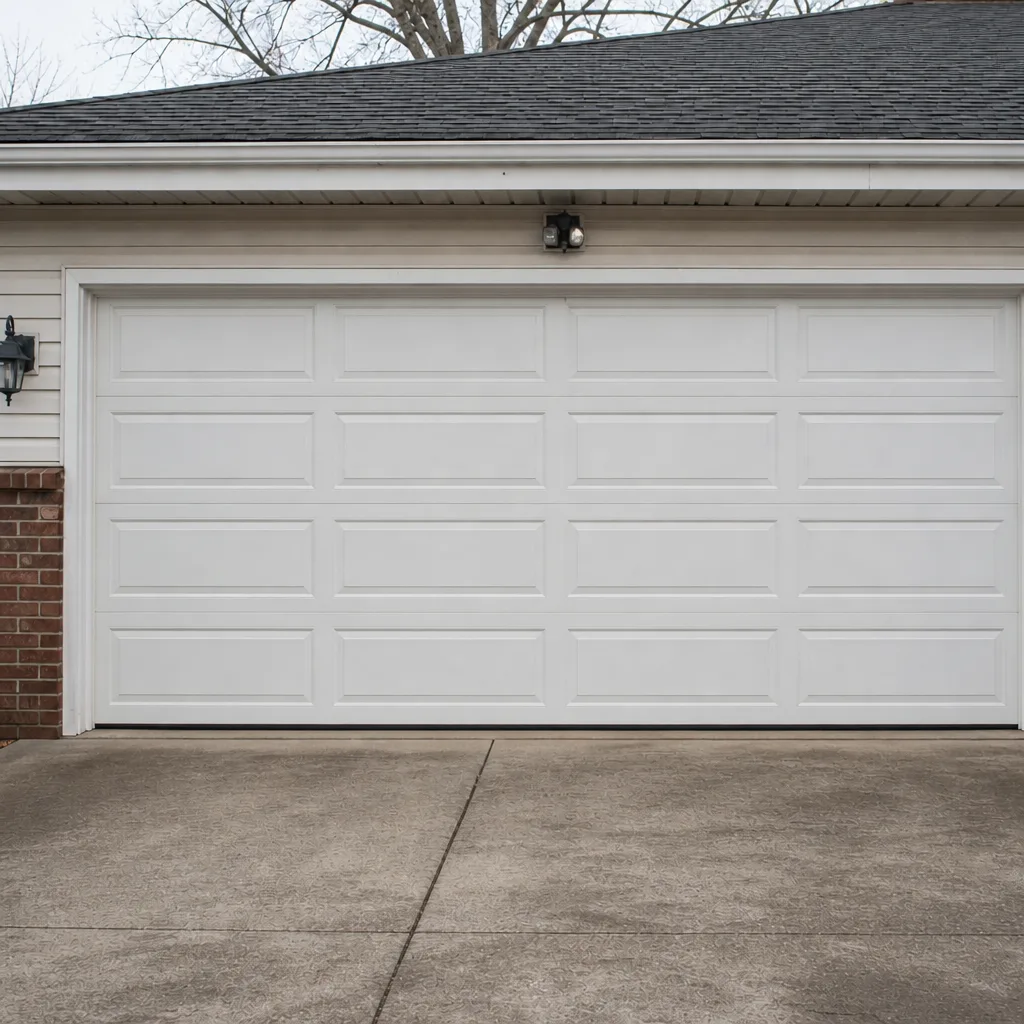
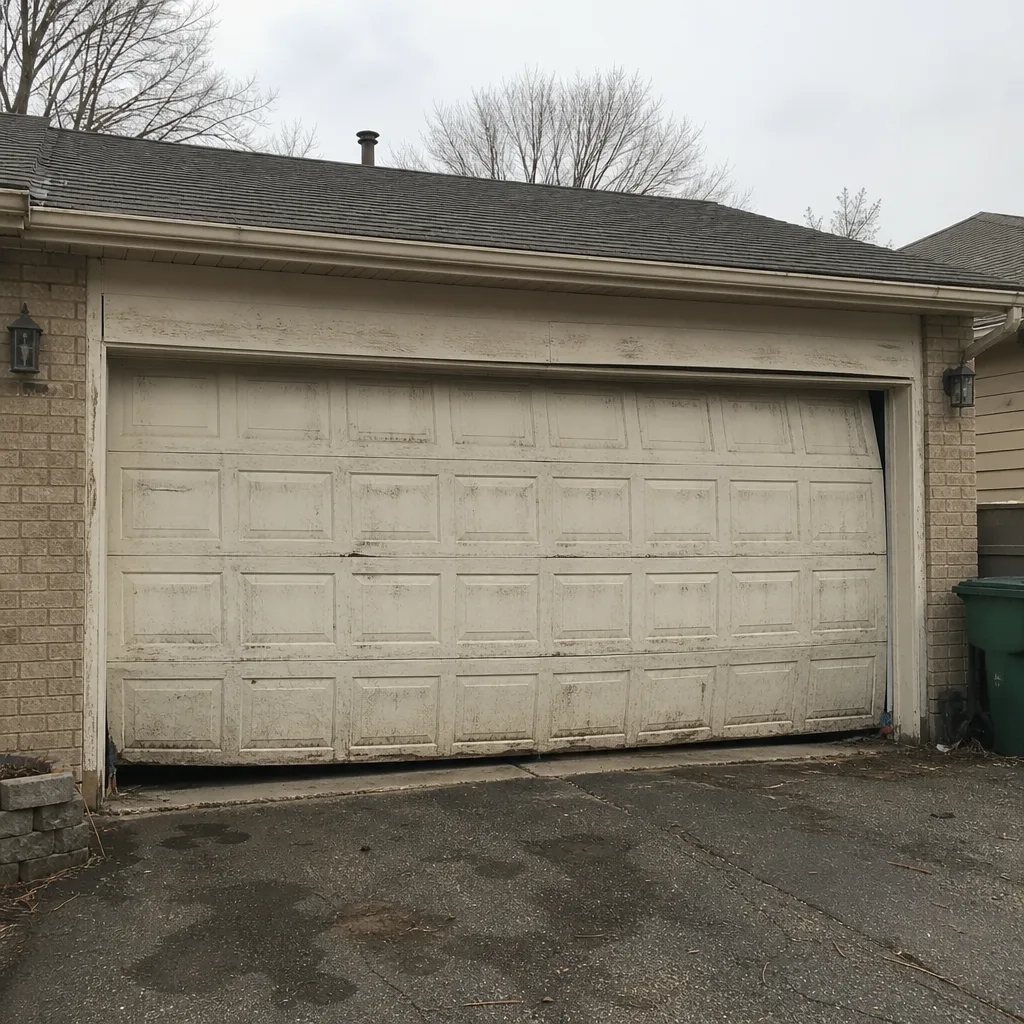
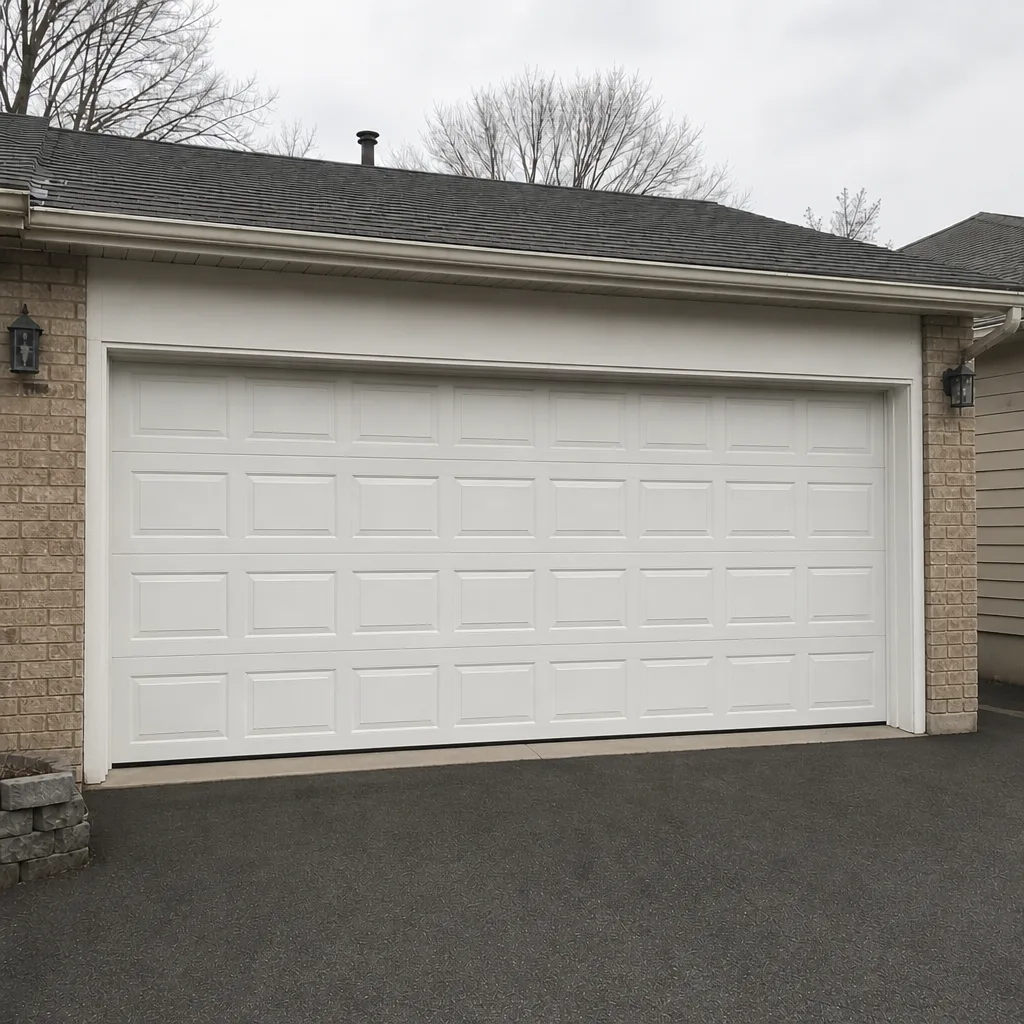
See the difference
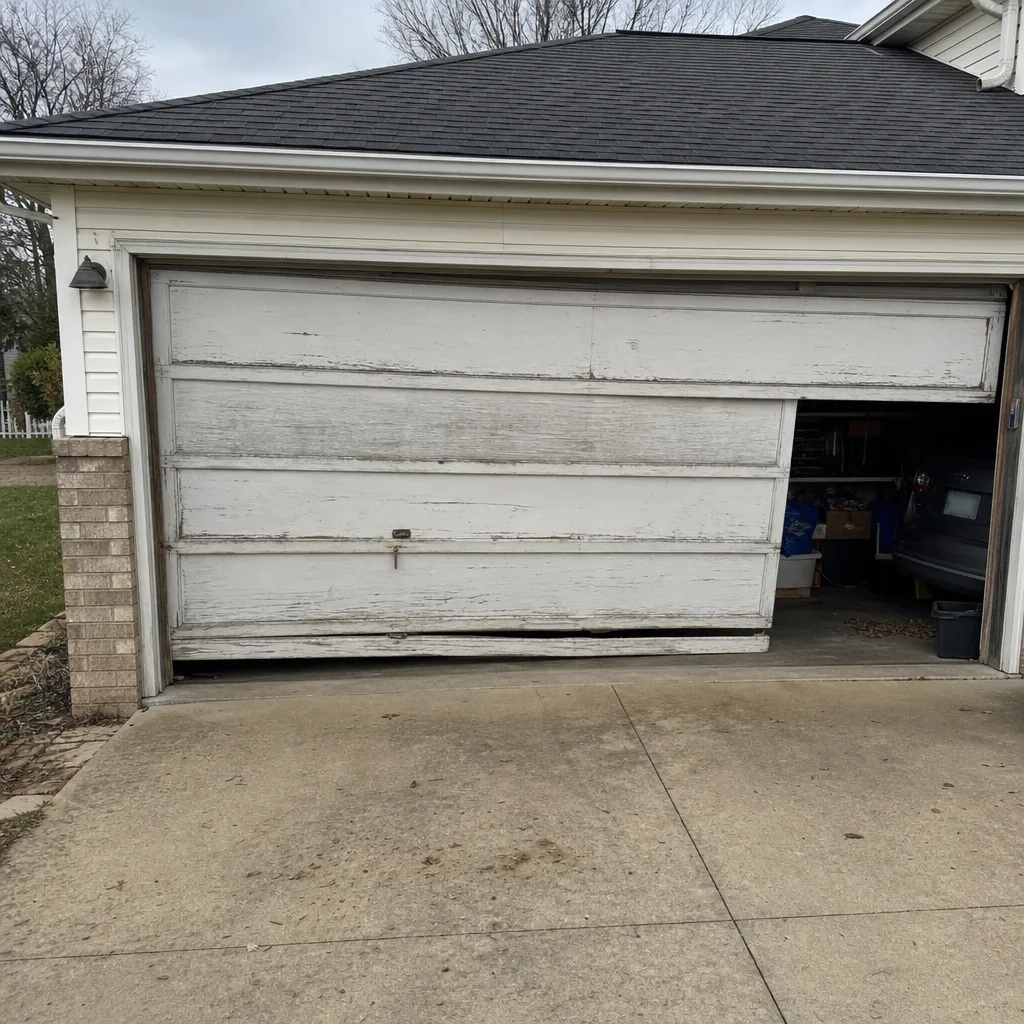 Before
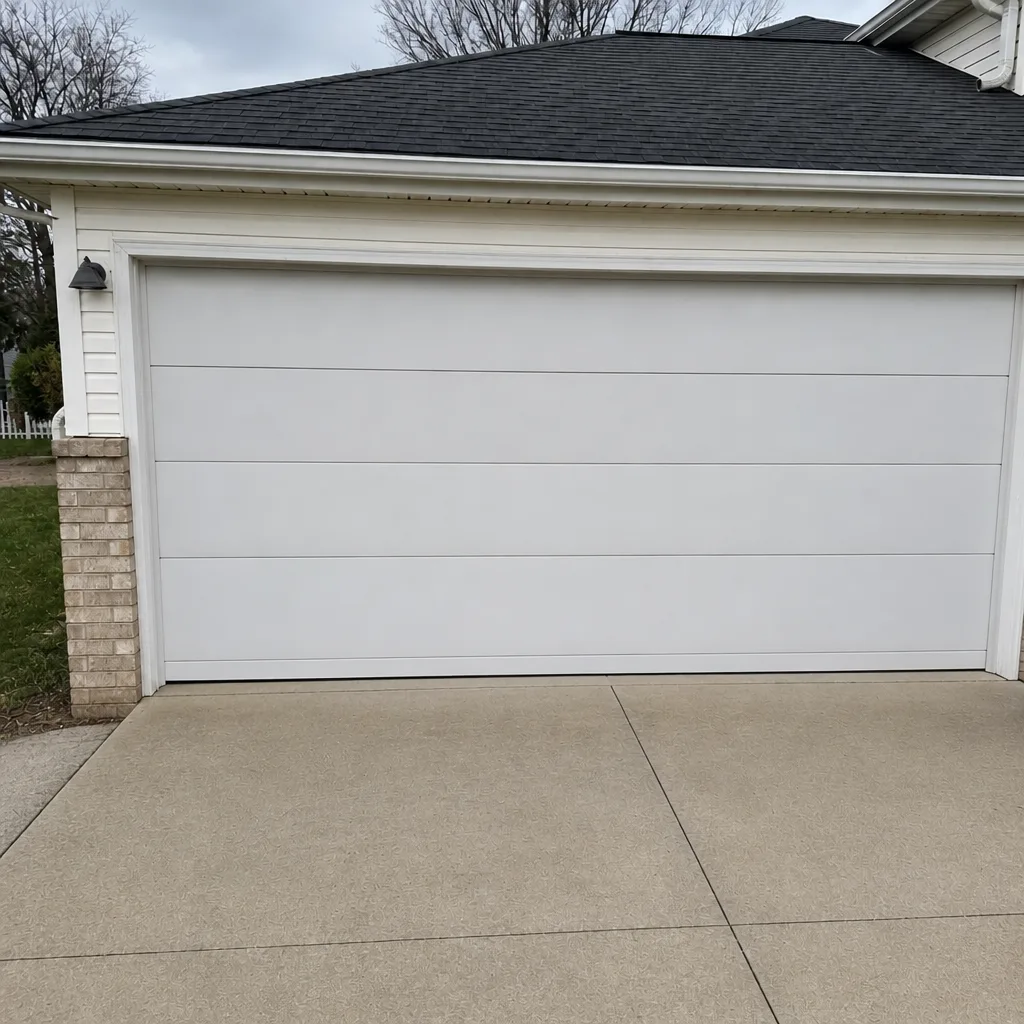 After
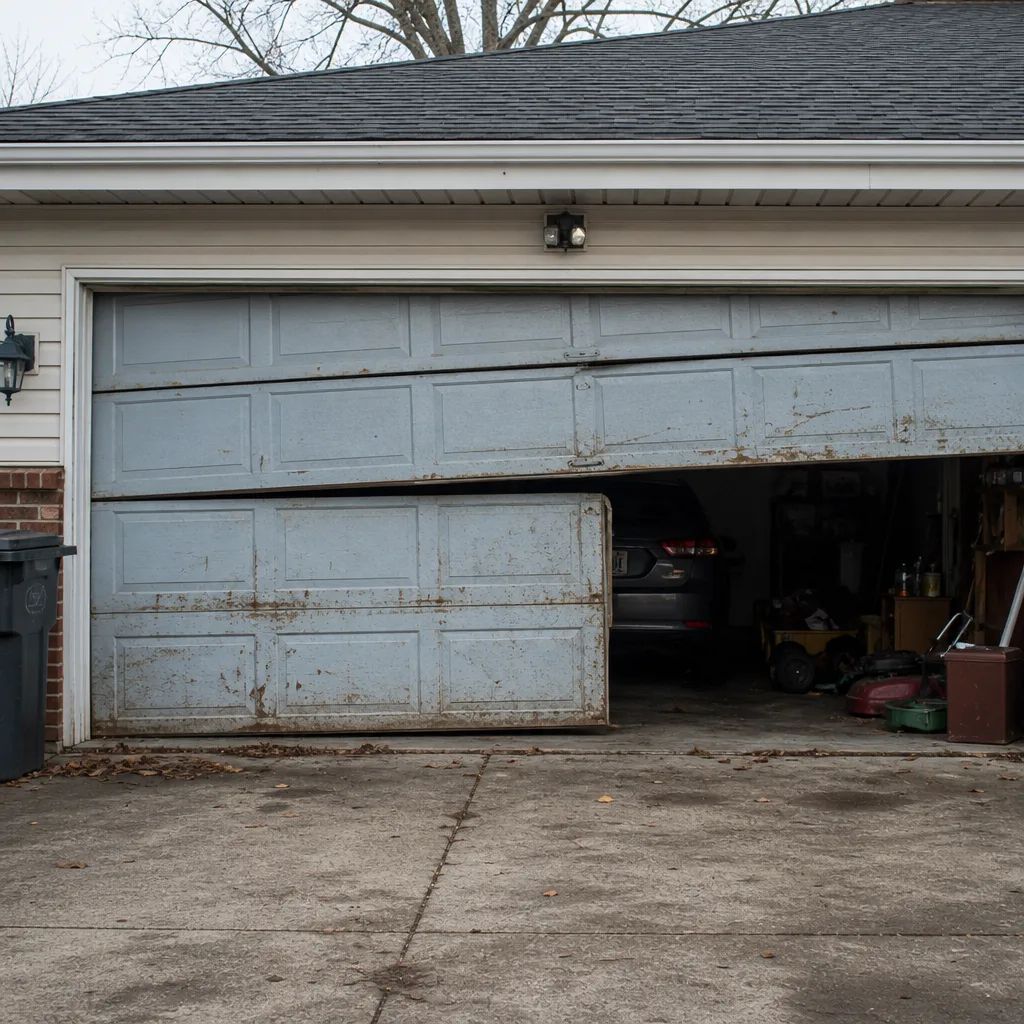 Before
 After
 Before
 After
When to Call a Professional
Most maintenance checks are homeowner territory. The dividing line is spring-and-cable work and anything involving force settings that won’t hold. Call a professional if the door reverses on its own mid-travel, if the safety reverse fails, if you hear a loud crack from the torsion bar (a broken spring), if a cable has come off its drum, if a track is visibly bent, if the door won’t close all the way, or if a recent opener install or adjustment isn’t holding. Those are the scenarios where a quick professional look prevents a bigger problem. At Maple Grove Garage Door Repair Co we offer free estimates in Maple Grove – call (877) 711-1381 and we’ll get you back up and running. For spring or opener issues, we also handle same-day and emergency service, because a broken door isn’t something you should sit on.
Frequently Asked Questions
Do a quick monthly visual and balance check, and a deeper maintenance pass twice a year – once in September or early October before the cold sets in, and again in March or April after the thaw. The October pass is the most important in Minnesota, because it’s the one that gets your door ready for the sub-zero nights ahead. Call (877) 711-1381 for a free estimate if anything on the list needs a professional eye.
You can visually inspect them, but you should not attempt to adjust or replace them. Look at the torsion springs above the door for rust, a visible gap, or a stretched section, and look at the extension springs on the sides for loose or frayed cables. If you spot any of those, stop and call. Springs are the most dangerous part of a garage door, and they’re a job for a trained technician with the right tools.
It’s worth checking sooner rather than later. It can be as simple as a force setting needing recalibration after thermal contraction, or as serious as a worn spring or failing opener gear. Start with the photo-eyes and a recalibration of the travel limits. If it keeps happening, call us for a proper diagnosis – a door that reverses on its own is a safety issue, and it shouldn’t be ignored through the winter.
White lithium grease for hinges, rollers, and torsion bar bearings, and silicone spray for the tracks and nylon rollers. Both stay fluid at sub-zero temperatures. Avoid WD-40 as a long-term lubricant, motor oil, and any thick grease on the tracks – all of those gum up in cold weather and cause more problems than they solve. Never lubricate the springs themselves.
It depends on what’s failed, and honest repair pricing is quoted after a technician sees the door rather than guessed over the phone. A written estimate will cover the parts and labor for the specific job, and the price you agree to before any work starts is the price for that job. For a clear picture of your specific situation, call (877) 711-1381 – estimates are free.
We’re certified to work on eight major residential garage door and opener brands – LiftMaster, Chamberlain, Genie, Clopay, Amarr, Wayne Dalton, Craftsman, and Raynor. That covers the vast majority of doors and openers found in Maple Grove homes, which means we can diagnose quickly and source the correct parts without trial and error. Our technicians have up to 14 years of experience across these brands.
The Bottom Line
The Maple Grove maintenance checklist that actually works is seasonal, not generic. Plan your deep passes around the freeze and the thaw, not the calendar. Lubricate with cold-rated products and skip the springs. Check your weatherstripping in October, sweep road salt through the winter, and keep an eye on force settings when the temperature swings. Most of what keeps a garage door working through a Minnesota winter is unglamorous upkeep you can do yourself, paired with a professional look when something’s off. If your door has started exhibiting any of the warning signs, call us at (877) 711-1381 – we’re set up for same-day and emergency work, and we can get you back up and running.
For Maple Grove homeowners who’d rather have one company handle the whole arc, from garage door opener repair through full installation, we cover garage door repair, spring work, openers, and full garage door installation. One call is enough.
Written by the team at Maple Grove Garage Door Repair Co.